How Hot Does Water Need To Be To Kill Germs

We’ve all been there—standing in the kitchen, staring at a sponge that smells like last week’s regret, wondering if a blast of hot water is enough to save the day. Or maybe yo...

We’ve all been there—standing in the kitchen, staring at a sponge that smells like last week’s regret, wondering if a blast of hot water is enough to save the day. Or maybe you’ve just dropped your favorite fork on the floor, and you’re considering a quick rinse that feels more like a ritual than actual science. Let’s be real: that hot water from the tap feels nice, but is it actually doing anything to those invisible, freeloading germs?
Here’s the short, honest answer: no, your tap water is not a germ-killing superhero. In fact, the water from your kitchen sink usually tops out at around 120°F (49°C), which is about as intimidating to bacteria as a gentle hug. To actually kill the nasty stuff—like E. coli, salmonella, or that mystery crud on your cutting board—you need water that’s between 140°F and 180°F. That’s the difference between a warm bath and a water park slip-and-slide that scorches your feet.
Think of it this way: if you wouldn’t stick your hand under the stream for more than a second, you’re getting closer to germ-killing territory. But who wants to risk second-degree burns just to wash a spoon? Not you, and not me. That’s why the whole “hot water kills germs” thing is a little bit of a fib we tell ourselves to feel productive.
Must Read
The Real Heavy Lifter: Soap
Here’s the part that might make you slap your forehead: soap is the real MVP. Hot water’s main job isn’t to murder microbes—it’s to loosen up grease and oils, making it easier for the soap to grab germs by the scruff and send them down the drain. Think of hot water as the hype man, and soap as the headliner.
I once tried to wash a greasy pan with cold water and no soap. It was like trying to peel a sticker off a windshield with mittens on. Awful. But with hot water and soap? The germs slide off like they’re being evicted. So don’t stress if your sink only hits 120°F—just use enough soap to make Siegfried and Roy jealous.
When You Actually Need Scorching Heat
Now, there are moments when you do need that insane heat. If you’re canning salsa in your basement like a 1950s homesteader, or sanitizing baby bottles after your toddler tried to feed them to the dog, boiling water is your best friend. A rolling boil (212°F / 100°C) nukes most germs in under a minute. It’s like sending them to the sun.
 How long you must boil drinking water to Kill Bacteria
But for everyday stuff—like rinsing your dishes or washing your hands—just relax. The World Health Organization says water above 158°F will kill most germs within a minute, but your hands can only handle about 120°F before you start questioning life choices. So unless you’re a superhero with asbestos fingers, stick to soap and technique.
Here’s a funny thing: I once tried to sanitize a sponge by microwaving it. I read you should do it for two minutes. I did it for four. The sponge caught fire. My kitchen smelled like a burnt memory for three days. Lesson learned: heat is powerful, but dumb heat is a disaster.
The Dishwasher Does the Work for You
If you own a dishwasher, give it a little hug right now. Most dishwashers run a final rinse cycle at 140°F to 160°F, and they hold that heat for a while. That’s why they can kill germs without you even thinking. It’s like a hot yoga class for your plates, but without the breathing exercises.
Hand washing, on the other hand, is more like a casual dip in a community pool. You’re scrubbing, you’re rinsing, but the water cools down fast. That’s why hand washing is mostly about friction and soap, not temperature. So if you’re standing at the sink, scrubbing a dirty knife with water that’s just warm enough to feel cozy, you’re still doing a decent job—as long as you’re thorough.
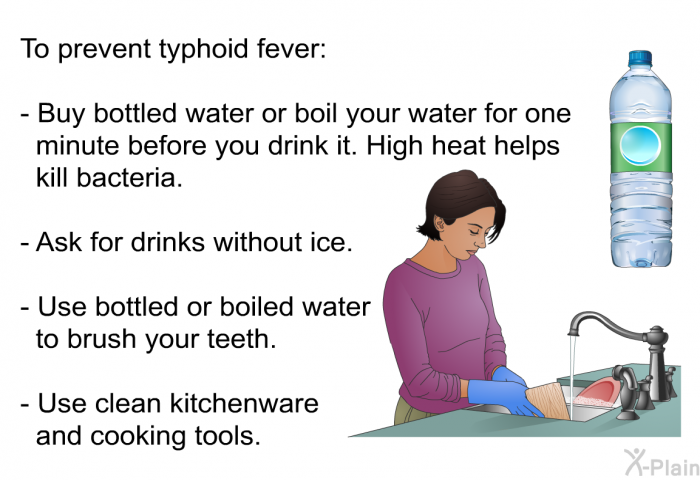 How To Boil Water To Kill Bacteria
What About Drinking Water?
Ah, the classic camping question: “How hot does this river water need to be to not give me diarrhea?” The answer is boil it. Simple as that. Bring it to a full, rolling boil for at least one minute (or three minutes at higher altitudes). That water is now safe, but it will taste like a heated-up tent. Bring a flavor packet.
I once tried to “save time” by just heating creek water to 150°F on a camping trip. I ended up spending the next morning hugging a tree. Not my finest moment. Trust the boil. The germs don’t negotiate.
The Takeaway
So, how hot does water need to be to kill germs? It depends on your mission. For washing dishes or hands: hot enough that it feels good, but let soap do the heavy lifting. For sanitizing baby gear or canning: get it boiling. For your sponge? Just throw it in the microwave for a minute—no longer—or buy a new one. Your pride will heal.
And if you ever feel guilty for using warm water that’s not scorching hot, remember this: you’re not a laboratory. You’re a person with limited time and a fear of burning yourself. So lather up, scrub with gusto, and let the hot water be your assistant, not your executioner. Your hands will thank you, and so will your sense of humor.
