How Long Does Water Last In Plastic Bottles

So, you found a dusty water bottle under your car seat. You’re thirsty. But wait—how old is that thing? Let’s dive into the wild, wacky world of bottled water expiration. The...
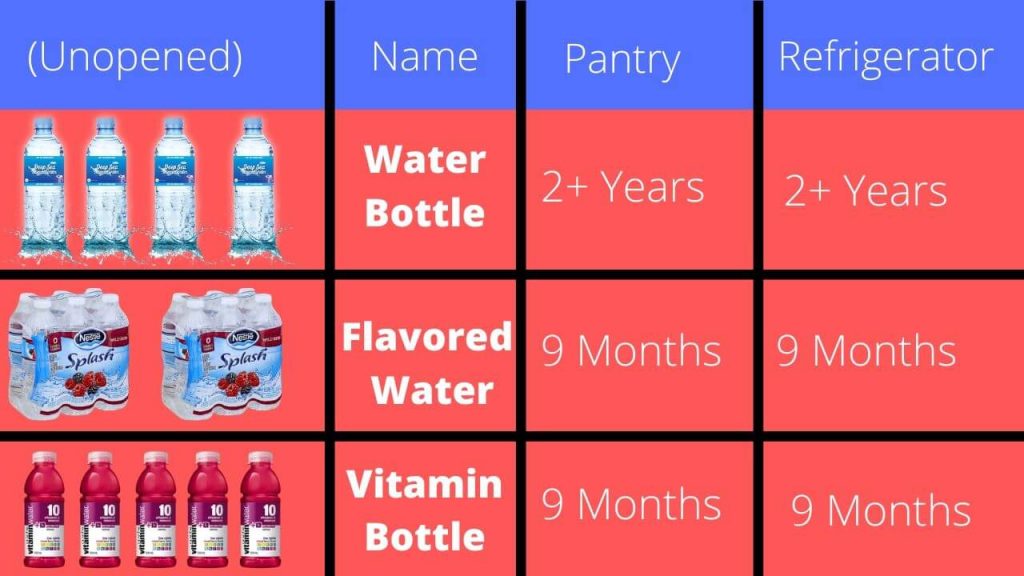
So, you found a dusty water bottle under your car seat. You’re thirsty. But wait—how old is that thing? Let’s dive into the wild, wacky world of bottled water expiration.
The Surprising Truth: Water Itself Never Expires
First, the good news. Pure water molecules don’t go bad. They’re just H₂O—no expiry date needed. Water is immortal in a chemical sense.
But your plastic bottle? That’s a whole different story. The real villain here is time and plastic chemistry.
Must Read
How Long Is "Officially" Okay?
Most bottled water has a “best by” date of 1 to 2 years. That’s not for the water—it’s for the bottle. Over time, plastic can leach tiny amounts of chemicals into the water. It’s not dangerous in small doses, but it might taste a bit like a swimming pool.
After about two years, the water can start to taste flat or musty. Why? Because carbon dioxide from the air slowly creeps in, making it taste stale.
The Funny Part: You’re Probably Fine
Here’s a quirky fact: the FDA doesn’t even require bottled water to have an expiration date. Manufacturers add it for store convenience, not for safety. Crazy, right?
If you drink a bottle that’s three years old, you probably won’t get sick. You might just think, “Wow, this water tastes like my grandma’s attic.”
What About Sunlight and Heat?
Leave a bottle in a hot car? Big mistake. Heat speeds up plastic breakdown. Antimony—a chemical used in some plastics—can leach into the water faster. It’s not poison, but it’s not a health smoothie either.
Sunlight is even sneakier. UV rays can trigger algae or bacteria growth if the bottle has been opened. Yum, glowing green water.
The Gross But Hilarious Reality: Bacteria Party
Here’s the really fun part. If you open a bottle and drink from it, you’re introducing your mouth germs into the water. Leave that bottle for a week, and those germs throw a party.
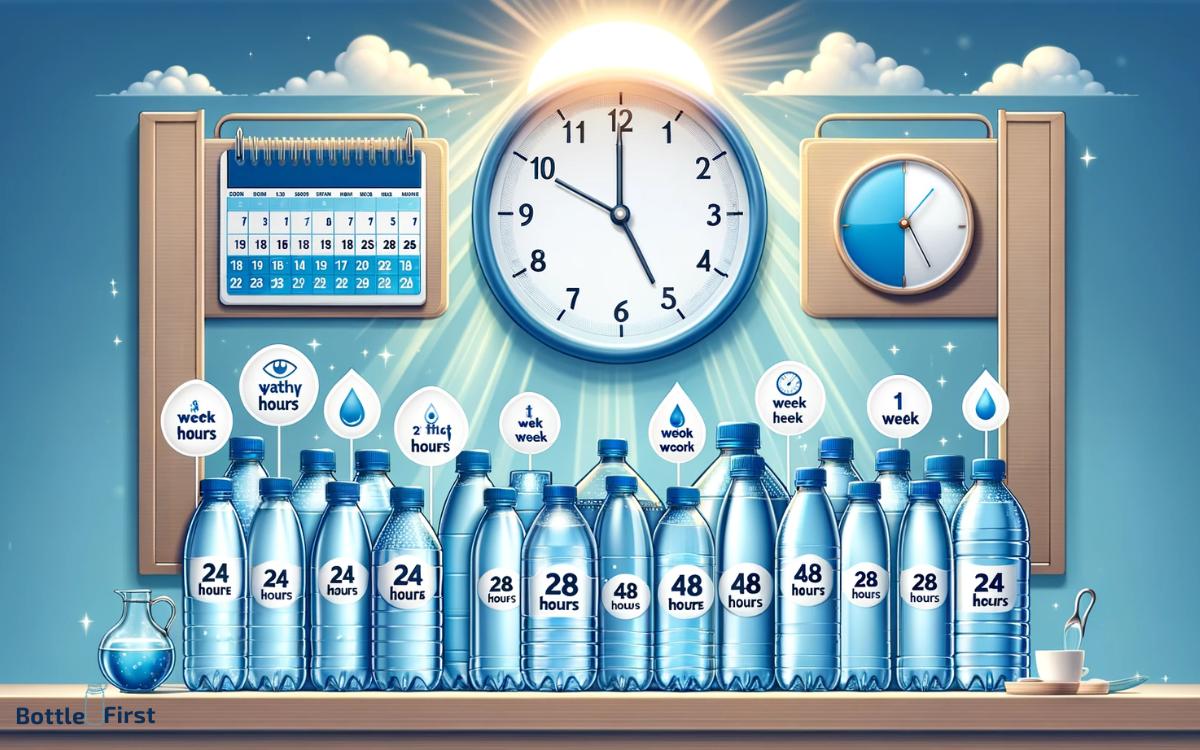 How Long Can You Keep Water In Plastic Bottles at Albert Hoopes blog
Studies show that opened, warm water can grow bacteria within days. It’s not lethal, but it’s definitely a joyful microbe rave in your drink. You’ve been warned.
Tap Water vs. Bottled Water: The Showdown
Tap water can last indefinitely in a sealed, glass container. Plastic bottles are the weak link. They’re like that friend who always spills the gossip—they break down and share secrets with the water.
Fun fact: Some bottled water is just municipal tap water anyway. You’re paying $2 for the same stuff that comes out of your kitchen sink. Madness.
How to Make Your Bottled Water Last Longer (No Jokes)
Want to keep that water tasting fresh? Store it in a cool, dark place. No garages, no cars, no sunny windowsills.
Keep the cap tightly sealed. Oxygen is the enemy of flavor. If you can, transfer it to a glass bottle or stainless steel. Your water will thank you.
The "Sniff Test" Is Your Best Friend
Before you drink ancient water, give it a sniff. Does it smell like plastic, chemicals, or old socks? Toss it. Does it smell like nothing? You’re probably fine.
Remember: water doesn’t expire. But bottle-flavored water? That’s a different story.
 How Long Does Water In Plastic Bottles Last | Detroit Chinatown
Why This Topic Is Just Fun to Talk About
Let’s be honest—we’ve all done it. We’ve all grabbed a bottle from last year’s road trip. It’s a tiny act of rebellion. “I’m gonna drink this and see what happens.”
And guess what? Thousands of people drink year-old bottled water daily. They live to tell the tale. It’s a quirky human experiment we can all try.
The Real Lesson: Don’t Overthink It
If the water looks clear, smells normal, and tastes okay, you’re good. Your body is a brilliant detector. Listen to it.
Worst case? Mild stomach grumbles. Best case? You’re hydrated and have a great story about “survivor water.”
A Final, Weird Nugget of Truth
There’s a bottle of water that’s been sitting in a museum since 2019. It’s fine. Seriously, scientists have tested ancient water from wells and Roman aqueducts. It was drinkable.
So next time you find a forgotten bottle, thank your lucky stars. You’re not drinking poison. You’re drinking a little bit of adventure—and maybe a hint of plastic.
Go on. Be brave. Hydrate with confidence. Just maybe avoid the one that’s been baking in your car since 2017. That’s just disrespectful to taste buds.
