How Long Does Salt Last In A Water Softener

So there I was, standing in my garage, staring at a giant, 40-pound bag of water softener salt like it was a forgotten relic from a past civilization. I’d bought it on a whim...
So there I was, standing in my garage, staring at a giant, 40-pound bag of water softener salt like it was a forgotten relic from a past civilization. I’d bought it on a whim six months ago during a “sale” (you know, the kind that makes you feel like a genius shopper until you realize you have no storage space). And now, I was asking the universe the real question: Does this stuff expire, or am I just hoarding glorified rocks? If you’ve ever done the same shuffle—lifting a dusty bag, sniffing it, and wondering if your softener will curse your name—you’re in the right place.
Let’s cut to the chase: salt itself doesn’t really go bad in a “moldy bread” kind of way. It’s a mineral. It’s been sitting underground for millions of years. A few extra months in your humid basement aren’t going to turn it into a science experiment. But here’s the kicker: your water softener cares a lot more about the quality of that salt than you might think.
The Real Villain: Moisture and Impurities
The enemy isn’t time—it’s moisture and additives. If your salt bag gets damp, it can clump into a solid brick that laughs at your softener’s attempts to work. I once broke a plastic scoop trying to chip a piece off a “salticeberg” that had formed in my bin. True story. That’s the moment you realize salt doesn’t go bad; it just becomes a pain in your backside.
Must Read
Also, cheaper salt often contains insoluble impurities (think sand or mud). Over time, these can build up in your brine tank and turn your softener into a grumpy old machine. So while the salt won’t magically turn toxic, its performance drops if it’s stored poorly or for too long in a damp environment.
How Long Is “Too Long”?
Honestly? If you keep your salt dry and away from direct moisture, it can last for years. I’ve used salt that was sitting in a sealed bag for two years, and my softener didn’t throw a tantrum. The trick is storage. Keep it off the concrete floor (use a pallet or shelf) and in a cool, dry spot. Side note: never store it near a dryer vent or a leaky pipe—you’ll be chiseling salt blocks for fun.
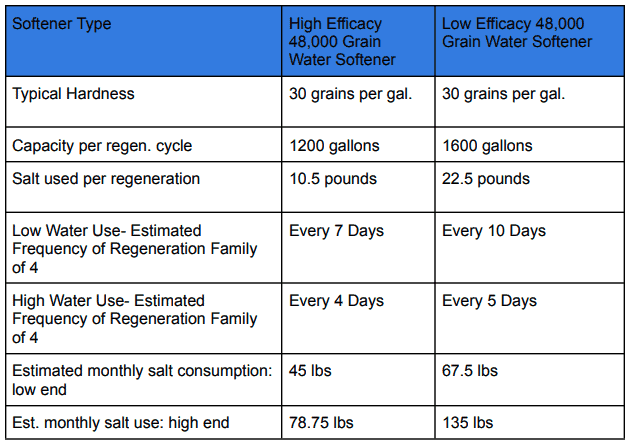
But here’s where we get ironic: most households go through salt faster than it can “expire.” If you have a typical family of four, you’re refilling the brine tank every couple of months. So the salt you buy today will be long gone before it even thinks about turning into a problem. The only people who really face this are those who bought a pallet during a pandemic panic—and then forgot they owned a water softener.
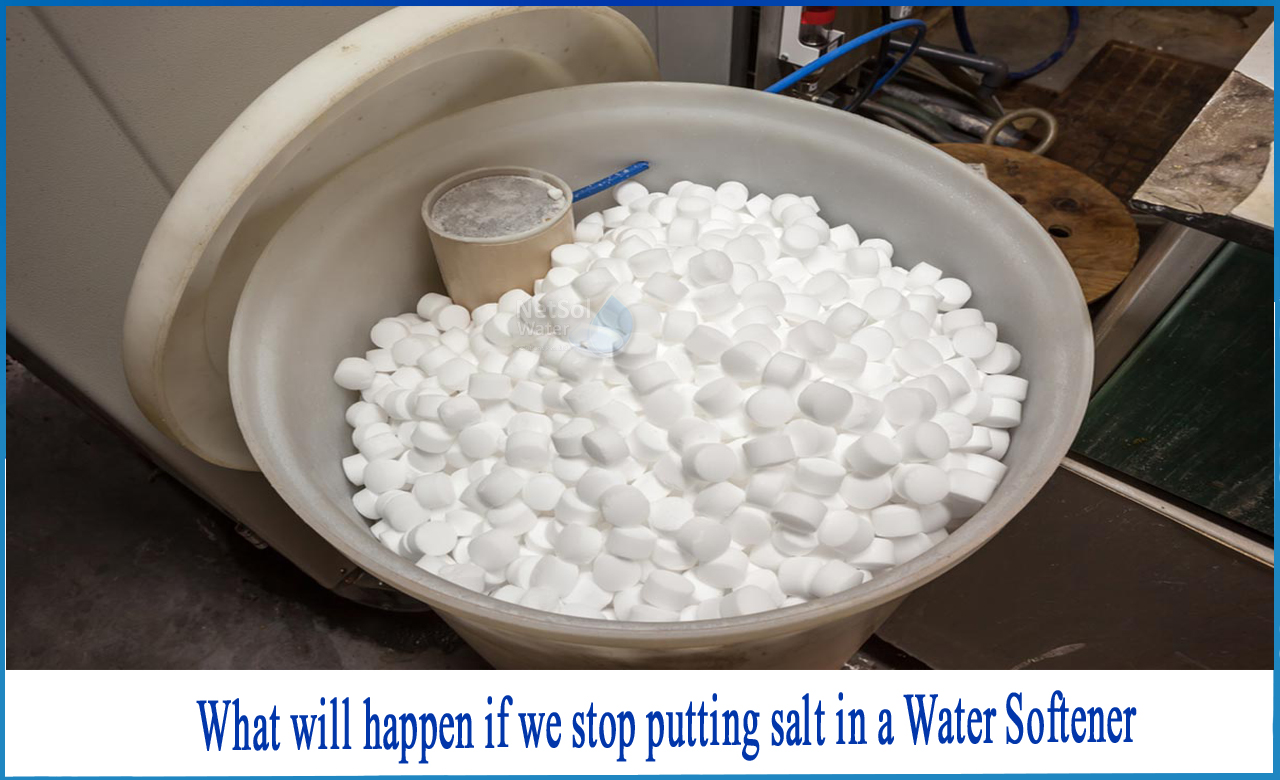 When To Add Water Softener Salt at Leah Woodcock blog
The “Mush Factor” Warning
There is one scenario where salt actually fails, and it’s when it absorbs too much humidity and turns into a mushy, crumbly mess. This isn’t “bad” in a chemical sense, but it can clog your brine line and make your softener scream for mercy. If you open a bag and it looks like wet sand, don’t use it. Toss it. Yes, it feels wasteful, but fixing a softener costs way more than $7 for a new bag.
So, to answer your question directly: salt lasts indefinitely in a water softener if you store it right. But if it gets wet, it becomes useless in a matter of days. Funny how that works, right? The same stuff that makes things last forever (curing meat, preserving pickles) can sabotage your plumbing if it gets a little damp.
Should You Worry About Date Codes?
Unless you’re a pro-level home chemist, ignore the date on the bag. Manufacturers put those codes for inventory tracking, not expiration. I once saw a bag from 2021, and the salt inside was flawless. The real test is touch: if it’s dry and free-flowing, you’re golden. If it’s sticky or has a weird smell? Well, that might be a sign of mold or bacterial growth if the bag got wet—and that’s a health no-go.
 How Long Does Water Softener Salt Last? (Right Frequency Guide
But let’s be real: how do you know if your salt is “contaminated”? It’s simple. If it looks like normal salt, it probably is. If it looks like something a troll left in a cave, throw it out. Your water softener doesn’t judge you—it just needs clean, dry salt to do its job.
The Bottom Line (Yes, We’re Getting There)
Treat your salt like you would a bag of sugar: keep it sealed, keep it dry, and don’t let it sit on a wet floor. Most of us will never have to worry about “expired” salt because we use it too fast. But if you bought a mega-stash and forgot about it? Check it once a year. If it’s still crunchy and white, you’re fine. If it’s a solid rock that you can’t break with a hammer, consider it a paperweight.
And here’s my final, slightly ironic thought: we spend so much time worrying about how long salt lasts, but we forget that water softeners themselves have moving parts that rust and fail. So maybe worry less about the salt and more about remembering to reset the timer when you change the clock for daylight saving time. You know who you are.
So go ahead, use that old bag. Your softener doesn’t care about the date on the label. It only cares that the salt is dry, pure, and not turning into a physics-defying blob. Now if you’ll excuse me, I have a pallet of salt to move off my garage floor—before it rains.
