What Does A Carbon Filter Remove From Water

So, you’ve bought a fancy water filter, or you’re staring at one in the store like it’s a spaceship part. And the big question is: what does that block of black carbon actuall...
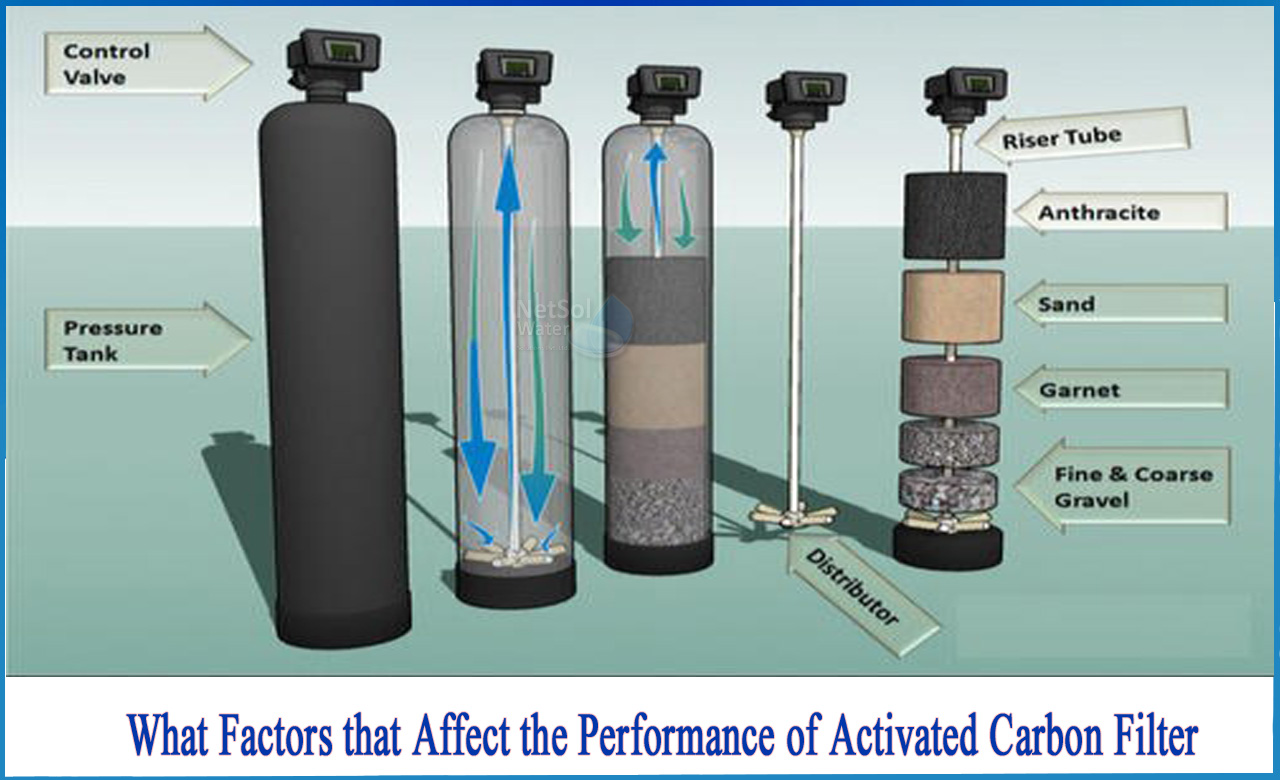
So, you’ve bought a fancy water filter, or you’re staring at one in the store like it’s a spaceship part. And the big question is: what does that block of black carbon actually do to your tap water? Grab a seat, because we’re about to dive into the surprisingly scandalous world of what your filter is arresting mid-stream.
The Big, Bad Villains It Captures
Think of activated carbon as the bouncer at a very exclusive nightclub for water molecules. It’s not letting just anyone in. The main riffraff it kicks out are chlorine and its chemical cousins, the ones that make your tap water smell like a public swimming pool that’s seen better days.
That “fresh” taste you love? That’s the carbon literally stealing the chlorine particles from your drink. It’s a chemical heist, and you’re the beneficiary.
Must Read
But wait, there’s more! It also hunts down volatile organic compounds, or VOCs. Fancy term for the chemical fumes that leak from old pipes or industrial runoff. Your filter is basically a tiny, silent superhero fighting invisible chemical ghosts.
What It Doesn’t Catch (And Why Your Filter Isn't Magic)
Here’s where the jokes get a little sad. A standard carbon filter is spectacular at removing taste and odor, but it’s terrible at removing some truly nasty stuff. It will not remove lead, arsenic, or most heavy metals. Imagine a bouncer who stops the guy wearing a cheap cologne but lets a tank roll through the front door.
It also laughs in the face of nitrates (from fertilizer) and fluoride (the dental stuff). For those, you need a reverse osmosis system, which is like hiring a SWAT team instead of a bouncer. Carbon is just the doorman with a sharp nose.
And guess what? It doesn’t kill bacteria or viruses. If you’re drinking from a murky river, a carbon filter won’t save you from the gurgling microbes. It’s a taste-enhancer, not a life-support system—unless you enjoy a side of E. coli with your crisp water.
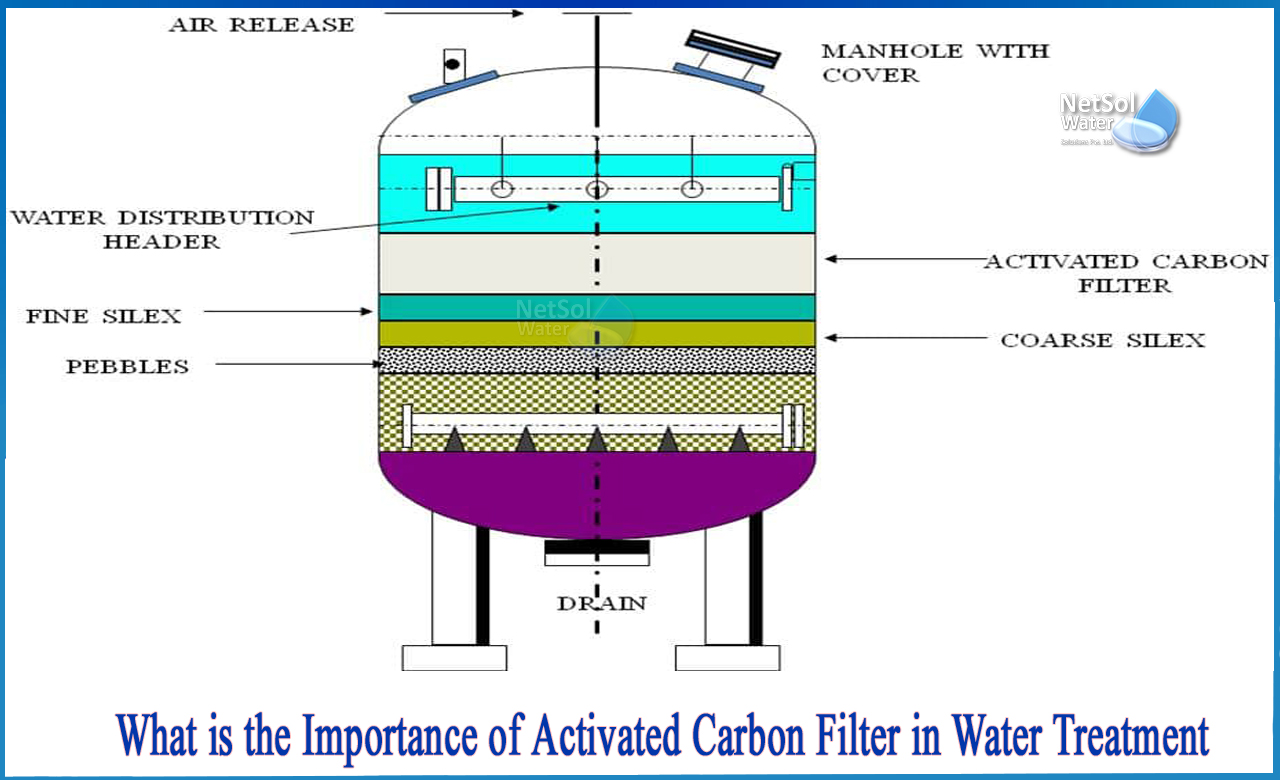 Function Of Charcoal In Home Made Filter at Charlie Ortega blog
Surprise! It Also Traps This Weird Stuff
Did you know carbon filters can remove bad odors from water? That’s obvious. But they also absorb pesticides and herbicides that sneak in from farm runoff. Your filter is basically a tiny, angry farmer fighting for your glass of purity.
Here’s a bonkers fact: a single gram of activated carbon can have a surface area larger than a football field. Think about that. You’re drinking water that’s been scrubbed by a microscopic expanse of real estate. It’s like the water got a spa treatment in a hyperspace hotel.
It also removes radon—a radioactive gas that can dissolve into groundwater. Yes, you might have been sipping on a very, very mild radioactive cocktail before you bought that filter. Cheers to the carbon that saved you from glow-in-the-dark teeth!
The Dirty Secret: Maintenance or Disaster
Here’s the punchline: a carbon filter works until it doesn’t. Once the carbon gets saturated with all that junk, it stops absorbing. Worse, it can become a breeding ground for bacteria. That “clean” water? It might be passing through a petri dish of last week’s lunch.
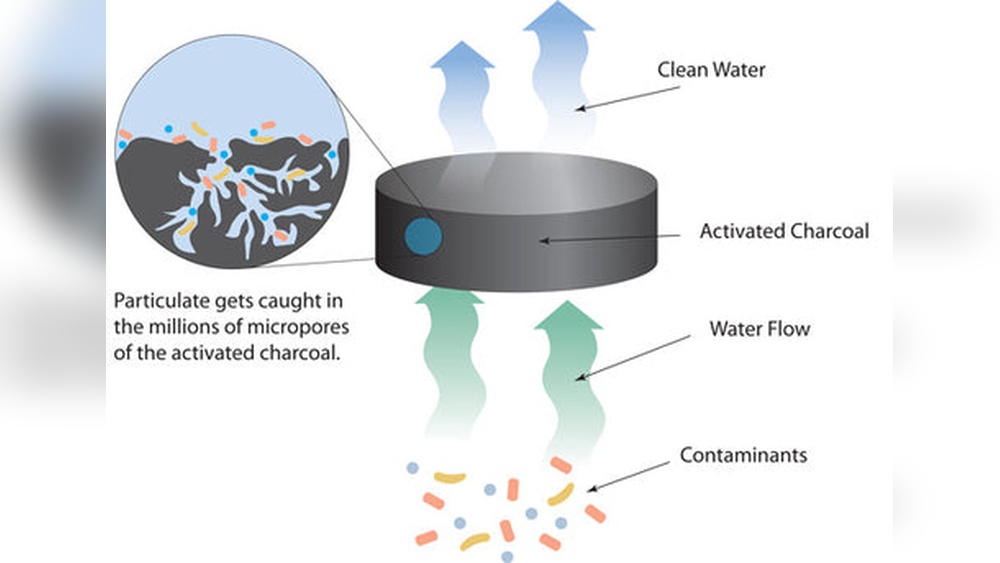 What Does A Carbon Filter Remove From Water: Key Contaminants Explained
If you don’t change the filter every few months, you’re basically drinking water that’s been spit-shined by old gunk. The filter becomes a toxic sponge. So yes, you need to replace it. No, you can’t just rinse it. That’s like trying to clean a mop by waving it at the dirt.
Pro tip: mark your calendar. Or set a reminder on your phone. Because nothing says “I care about my health” like drinking water that’s been filtered through a swamp of old avocado toast remnants.
The Final Sip
So, what does a carbon filter remove? Chlorine, bad tastes, weird smells, VOCs, pesticides, and even radon. It’s the best roommate for water—it takes out the trash. But it’s not a miracle worker. It lets minerals and heavy metals slide by, which is fine if your tap water is already safe and you just hate the taste of your city’s chemical poetry.
If you’re worried about lead or bacteria, you need a heavier gun. But for most of us, a carbon filter is the difference between a glass of “meh” and a glass of “ahhhh.” And honestly, for a few bucks and a cartridge change, it’s cheaper than therapy. Now go drink some water. It’s filtered, so you can’t blame the taste for your bad jokes.
