What Is The Water Hardness Level In My Area

So, you’re staring at a cloudy glass of water, wondering if your tap is secretly trying to turn into a rock. Or maybe your dishes have more spots than a Dalmatian on a rainy d...

So, you’re staring at a cloudy glass of water, wondering if your tap is secretly trying to turn into a rock. Or maybe your dishes have more spots than a Dalmatian on a rainy day. Friend, I feel you. You’ve stumbled upon the great mystery: what is the water hardness level in my area?
First, let’s get real about what “hard water” even means. It’s not water that’s doing pushups. I promise. Hard water is just water that’s packed with calcium and magnesium. It picks up these minerals as it travels through soil and rock underground. Think of it as water that took a little detour through a limestone quarry—without asking permission.
Why Should You Care?
Because hard water is a sneaky little troublemaker. It doesn’t just make your soap feel sad—it builds up scale in your pipes, water heater, and coffee maker. Do you want your coffee maker to die a tragic, chalky death? I didn’t think so.
Must Read
Hard water also makes your hair feel like straw and your skin like parchment. Ever step out of the shower and feel like you’re wearing a dry, brittle suit? That’s the minerals clinging to you like an overenthusiastic toddler. Not cute.
So, How Do You Find Your Area’s Hardness Level?
You could become a mad scientist and test it yourself. Get a test strip, dip it in your water, and watch it change color like a mood ring. Fun, right? But honestly, the easiest way is to check online. Your local water utility loves posting this stuff. They practically shout it from the rooftops in their annual water quality report.
Just search your city or county name plus “water hardness report.” Bam. You’re in. If you’re lazy (hey, no judgment), there are national maps that estimate hardness by zip code. Look up your zip, and you’ll know if your water is “soft,” “moderate,” or “harder than a physics exam.”
Wait—What Do the Numbers Mean?
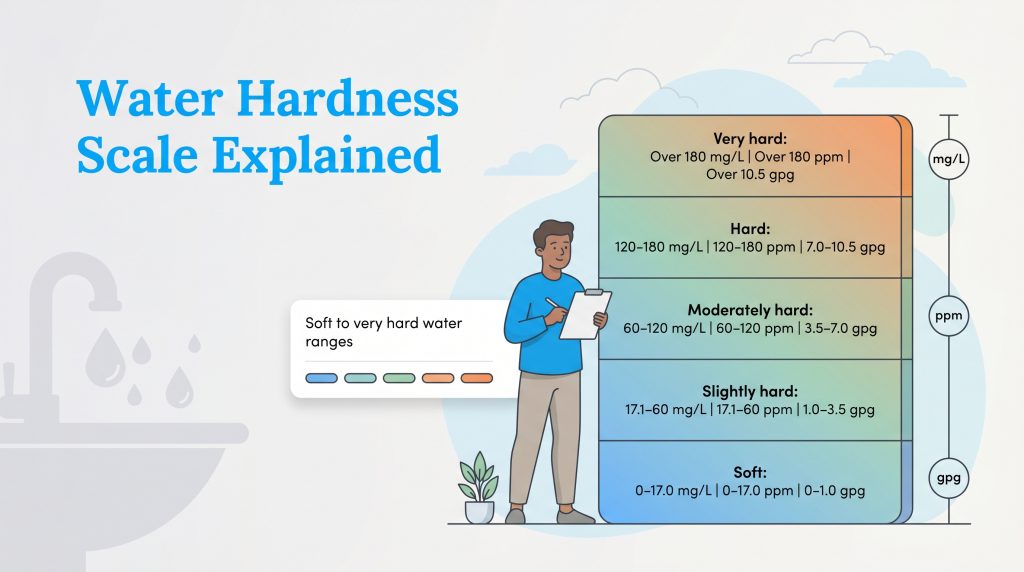
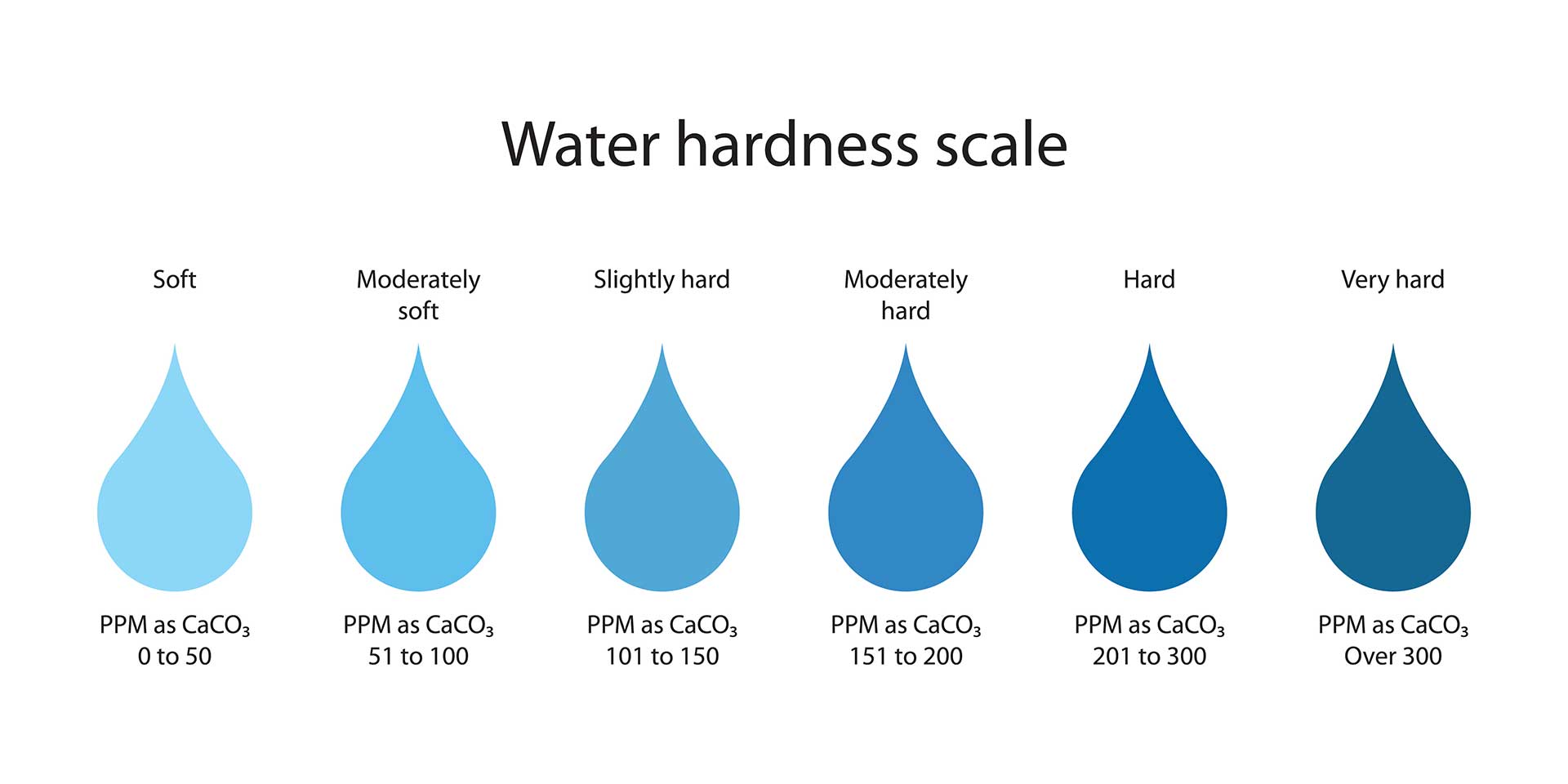
Hardness is usually measured in grains per gallon (gpg) or parts per million (ppm). Here’s the cheat sheet: 0–1 gpg is soft (like a cloud’s sigh). 1–3 gpg is slightly hard (basically fine). 3–7 gpg is moderately hard (you’ll notice some film on your glasses). Anything above 7 gpg? Yikes. That’s hard. You’re basically living in a mineral fortress.
 What Is Hard Water? Signs, Tests, and Sustainable Solutions – Utilities
But don’t panic if your number is high. It’s not toxic. It won’t turn you into a statue. It just means you’ve got some friendly geology in your pipes. Annoying geology, but geology nonetheless.
What’s the Deal with My Neighbor’s Water?
Here’s a funny thing: your water hardness can vary street by street. If you live in an area with different water sources—say, one side of town gets river water and the other gets from a well—your numbers can be shockingly different. It’s like the water version of a food menu: “Oh, you’re on Elm Street? Here’s your extra-crunchy hard water, sir.”
So if your friend two blocks away claims their water is “just perfect,” don’t take it personally. You’re not cursed. You just have different geology vibes.
Can You Fix Hard Water?
Yes, and it’s not rocket science. A water softener will swap out those calcium and magnesium ions for sodium or potassium. Boom—soft water. Just know that softeners need salt refills and can make your water taste slightly salty. If that grosses you out, try a reverse osmosis system at your kitchen sink. That’s like the VIP section for your drinking water.
 How To Check Water Hardness In Your Area at Sebastian Belbin blog
Don’t want to buy a whole system? Use a showerhead filter for softer hair and skin. Or add a little white vinegar to your laundry. Yes, your clothes will smell like a salad, but the minerals won’t stand a chance.
But Is Hard Water Bad for You?
Here’s the good news: hard water is not dangerous. In fact, those extra minerals might give you a tiny boost of calcium and magnesium in your diet. You won’t turn into a superhero, but your bones won’t hate you. The real enemy is the scale buildup and the annoyance.
So no, you don’t need to panic. You just need to decide if you’re okay with spotty glasses and squeaky-shiny hair. Some people love that squeaky feeling. To each their own, I guess.
Let’s Wrap This Up, Friend
Finding your water hardness level is a tiny detective mission. It’s easy, it’s free, and it might explain why your soap doesn’t foam like the commercials promised. Go ahead—look it up. You might discover your water is a “10 out of 10 on the hardness scale” and suddenly everything makes sense.
If it’s high? No worries. You’ve got options: soften it, filter it, or embrace the hard life and buy extra dish soap. Either way, you’re now in the know. Go drink a glass of that mineral-rich stuff and toast to your new wisdom. Cheers!
