How To Remove Lime Deposits From Dishwasher

So, your dishwasher is acting up, huh? Maybe it’s leaving a weird white powder on your glasses, or your once-sparkling plates are coming out looking like they’ve been dusted w...
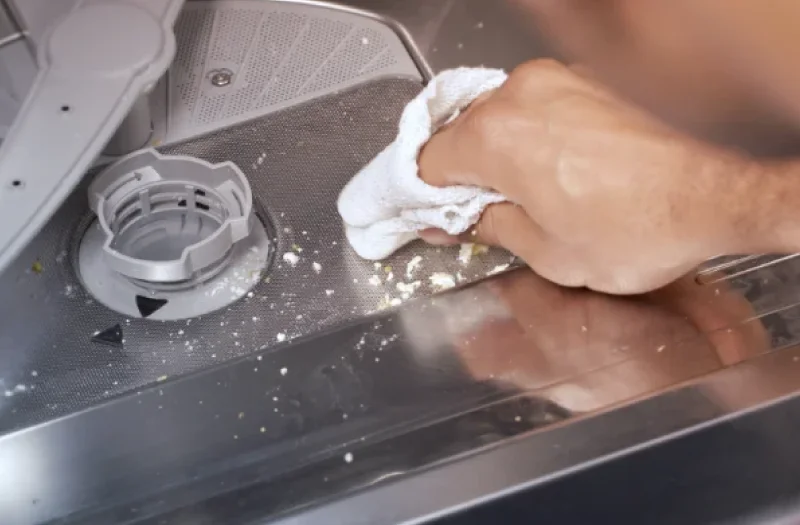
So, your dishwasher is acting up, huh? Maybe it’s leaving a weird white powder on your glasses, or your once-sparkling plates are coming out looking like they’ve been dusted with flour. Don’t panic—you’ve just got a classic case of lime deposits, also known as limescale. It’s that crunchy, chalky villain that shows up when hard water throws a party in your machine.
Think of limescale as the unwanted guest who refuses to leave after the party ends. But don’t worry—we’re going to kick it out with style, a few laughs, and zero elbow grease. Ready? Let’s get your dishwasher sparkling like a brand-new sports car.
Meet the Enemy: What Is Limescale, Anyway?
Limescale is basically a crusty buildup of calcium and magnesium from hard water. It loves to cling to your dishwasher’s heating element, spray arms, and even your clean dishes. It’s like the scaly villain from a bad sci-fi movie—only it’s real, and it’s ruining your morning coffee cup.
Must Read
But here’s the good news: you can defeat it with simple household ingredients. No hazmat suit required—just a little vinegar, baking soda, and maybe a sprinkle of sarcasm.
Step 1: The Vinegar Volcano (A.K.A. The Magic Trick)
Grab a cup of white vinegar—yes, the cheap stuff you use for pickles and cleaning everything. Pour one cup into a dishwasher-safe bowl, and place it on the top rack. Then, run a hot water cycle—the hottest one you’ve got. No detergent needed here—just let the vinegar steam and sizzle like a tiny sauna for your machine.
Why this works: The vinegar’s acid dissolves the lime like a superhero melting an ice monster. It’s cheap, safe, and smells like a salad gone rogue—but it works. And yes, you can stop holding your nose after the cycle ends.
Step 2: The Baking Soda Blast (Because One Trick Isn’t Enough)
After that vinegar steam bath, sprinkle a cup of baking soda all over the bottom of your now-empty dishwasher. Yes, right onto the wet floor—it’s going to fizz like a science fair volcano. Run a short, hot cycle. This deodorizes and polishes the interior, leaving it smelling like a fresh meadow (or at least not like a chemistry lab).
Pro tip: Don’t mix the vinegar and baking soda at the same time—you’ll get a messy eruption that belongs in a school project, not your dishwasher. Do them separately. Your inner mad scientist will thank you.
 How To Clean Limescale In Dishwasher at Rudolph Miller blog
Step 3: The Lemon Squeeze (For That Extra “Ahhh” Factor)
If you’re feeling fancy, toss half a lemon into the top rack on the first cycle of the day. The citric acid helps break down stubborn lime deposits, and the smell will make you feel like you’re on a Mediterranean vacation. Plus, it’s a great excuse to make lemonade with the other half. Multitasking at its finest.
Warning: Don’t use a whole lemon—it’s not a dishwasher fruit basket. Just a half, and make sure the seeds don’t clog your spray arm. Nobody wants a lemon-seed rebellion mid-cycle.
Step 4: Attack the Hard-to-Reach Spots (The Ninja Move)
Sometimes limescale hides in the spray arms or the filter. Take out the bottom rack and unscrew the spray arm (check your manual, but it’s usually a twist). Soak it in a bowl of equal parts white vinegar and warm water for 30 minutes. Use an old toothbrush or a pipe cleaner to scrub away the stubborn bits—pretend you’re giving your dishwasher a tiny spa treatment.
For the filter (usually at the bottom), pull it out, rinse it under hot water, and scrub gently with a soft brush. Limescale loves to lurk there like a creepy crawly. But you’re the boss now.
Step 5: The Secret Weapon—Citric Acid Powder
If vinegar isn’t cutting it, upgrade to citric acid powder (available at any grocery store or online). Put a tablespoon in the detergent compartment and run a hot cycle. This stuff is like vinegar’s angry cousin—it annihilates lime deposits on contact. Plus, it’s food-safe and smells like sour candy.
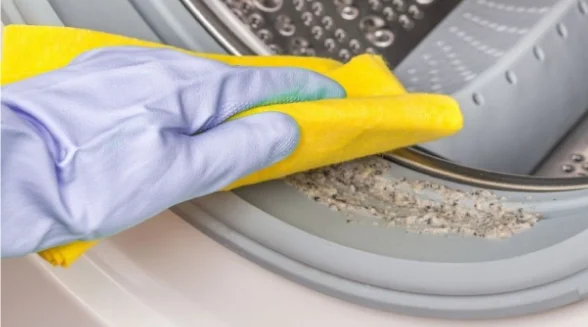 How To Remove Lime Deposits From Dishwasher | Detroit Chinatown
Just don’t be tempted to taste it. Trust me—I learned that lesson the hard way.
Step 6: Do a Monthly “Detox” (Because Prevention Is Sexy)
Once you’ve cleared the gunk, keep up the habit. Once a month, run a vinegar cycle or toss a store-bought dishwasher cleaner into an empty load. Think of it as a yoga retreat for your appliance—it’s a reset button that prevents scale from building up again. Your future self will high-five you.
Step 7: Dry Like a Pro (No Towel Jokes Here)
After the cleaning cycle, leave the dishwasher door open for 30 minutes. Let it air out completely—moisture is limescale’s best friend. A dry dishwasher is a happy dishwasher. Plus, you’ll avoid that funky smell that makes you wonder if a sock is hiding in there.
The Final Verdict: You’ve Got This!
There you have it—your dishwasher is now free of lime deposits, and you didn’t even break a sweat (unless you used the lemon method, in which case, your hands are probably sticky). You’re officially a limescale-slaying champion with a sparkly clean machine that will thank you with beautiful dishes and zero drama.
So go ahead, load it up with your messiest lasagna pan, and hit “start.” Your dishwasher is ready for round two—and so are you. And if it ever gets cranky again, you know exactly who to call: vinegar, baking soda, and that one lemon sitting in your fruit bowl.
Here’s to clean plates, clear glasses, and the quiet satisfaction of knowing you bossed your appliance into submission. Now go make some coffee—your mug is finally spotless. Cheers! 🥳
