How To Know If My Water Softener Is Working

Is your water softener secretly slacking off? Don’t let it get away with it. Hard water is a sneaky villain. It leaves crusty white deposits on your faucets, makes your soap r...
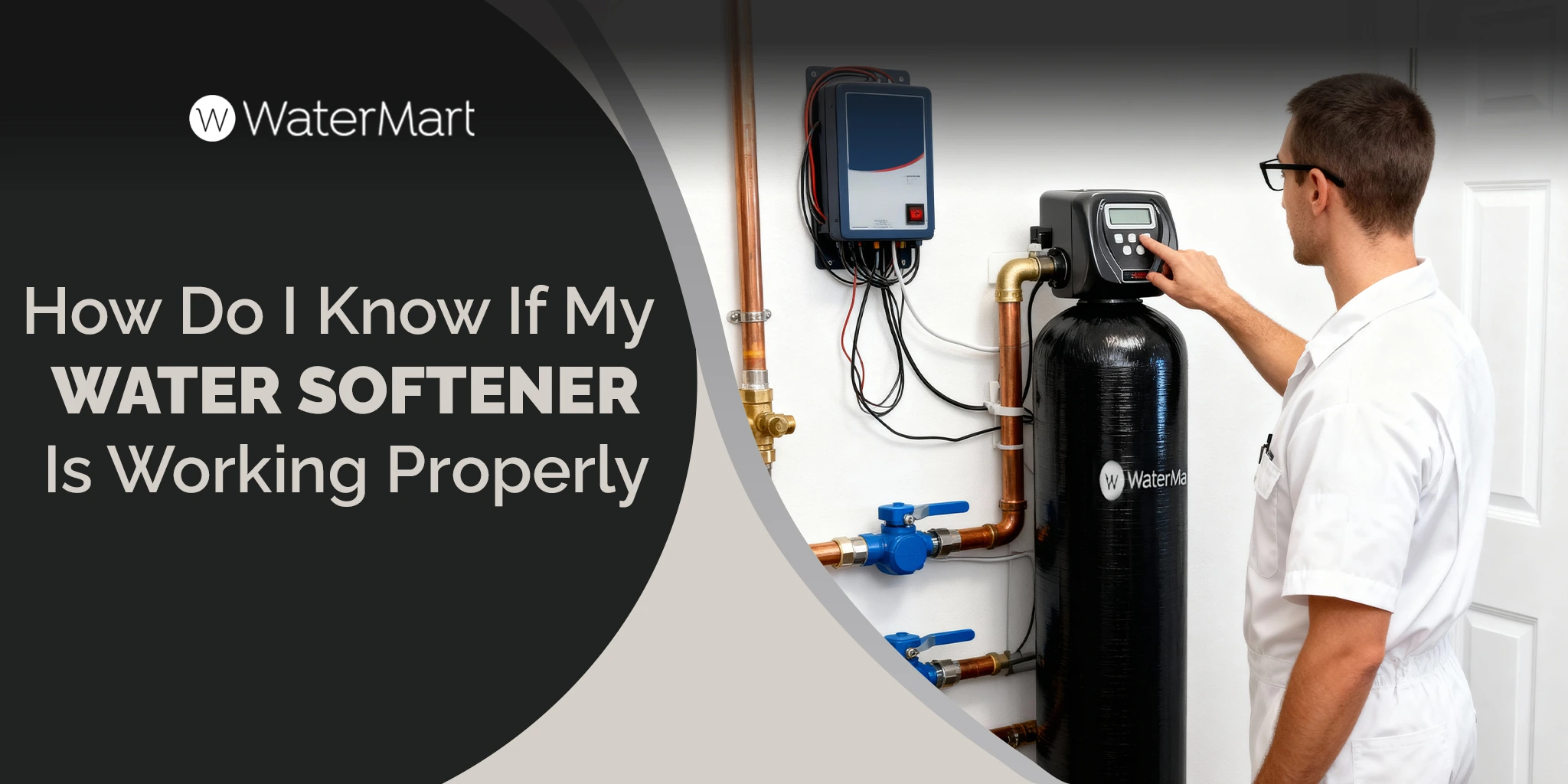
Is your water softener secretly slacking off? Don’t let it get away with it.
Hard water is a sneaky villain. It leaves crusty white deposits on your faucets, makes your soap refuse to lather, and turns your hair into straw. Your water softener is supposed to be the superhero that stops all that.
But how do you know it’s actually fighting the good fight? Let’s play detective.
Must Read
The Softness Gurus: Your Hands and Hair
Your own skin is the first witness. After a shower, rub your hands together.
If they feel squeaky clean—like a freshly washed dinner plate—that’s bad. That squeak means hard water minerals are still clinging to you. Soft water should make your skin feel silky and almost slippery, like the memory of a baby’s bottom.
Your hair will tattle, too. Hard water leaves it feeling stiff and coated. Soft water makes it bouncy, fluffy, and ridiculously manageable. If your locks feel like a hay bale, your softener might be napping on the job.
The Foam Factor: A Kitchen Science Experiment
Grab any liquid soap. Squirt some into your palm.
Turn on the tap. If your softener is working, the water will foam up like a wild barista making a latte. Hard water fights foam. It creates limp, sad little bubbles that vanish instantly.
Try this: Fill a clear glass halfway with tap water. Add a few drops of dish soap. Shake it. A thick, fluffy foam that lasts? Boom. Your softener is a champion. Thin, watery bubbles that disappear? Your softener might be broken or lazy.
The Spot Test: Faucets and Glassware
Let your glassware dry naturally. No towel drying allowed.
If you see white, chalky spots or a rainbow-like film, your softener is failing. Hard water minerals are literally crystallizing on your glasses. That’s the mineral version of graffiti—ugly and hard to remove.
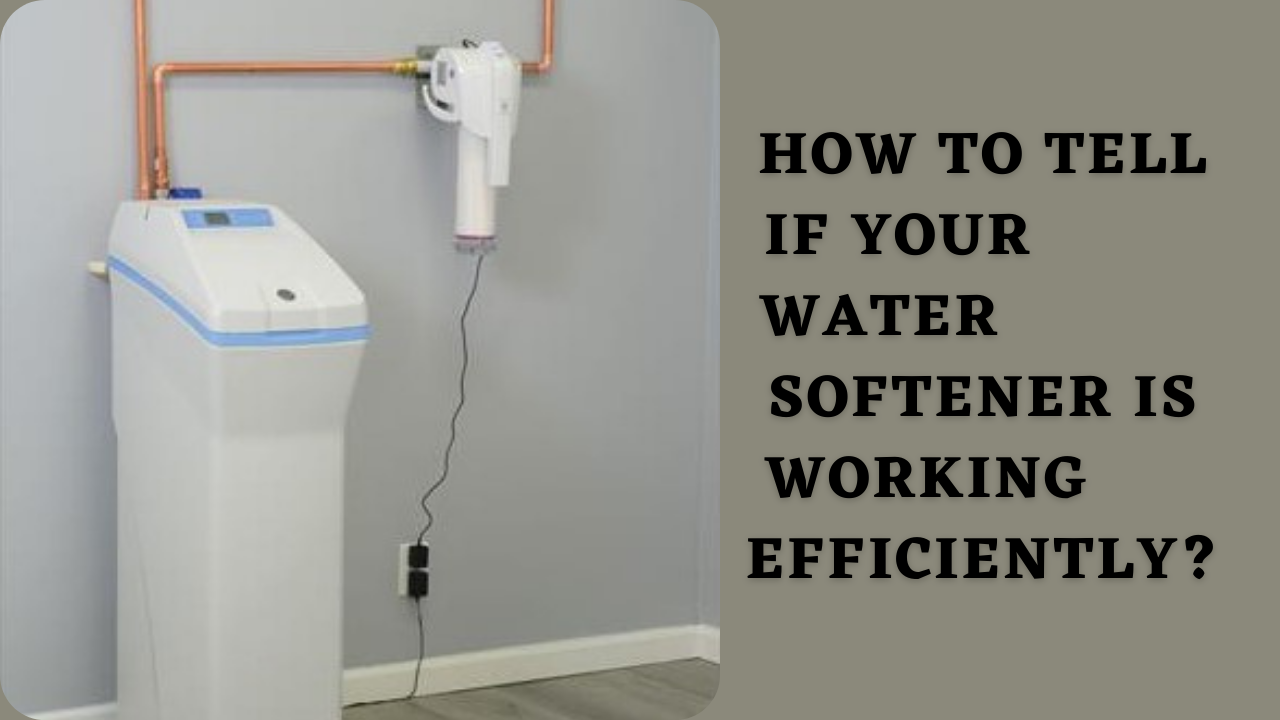 How To Tell If Your Water Softener Is Working Efficiently? (Easy to
Check your faucets, too. A clean, shiny faucet means soft water. A crusted, cloudy one means the enemy has won. Don’t let the enemy win.
The Salt Snoop: Check Your Brine Tank
Your water softener uses salt to regenerate. It needs to eat. Pop open the brine tank (the big white or blue tank).
Is the salt level low? If it’s below the water line, your softener might be starving. It needs a full “meal” of salt to work properly. A salt bridge is a common party pooper—hard crust of salt forms a bridge over the water, fooling you into thinking it’s fine.
Poke the salt with a broom handle. If it feels like concrete, you’ve got a bridge. Break it up. That’s your softener saying, “Feed me, Seymour!”
Funny Water Tidbits You Didn’t Ask For
Hard water is actually a giant liar. It looks clear and innocent. But inside, it’s packed with calcium and magnesium—the same minerals that make your bones strong. In your pipes? They form scale, which is basically rock armor clogging everything.
Your water heater hates hard water. Scale builds up inside, making it work harder and shortening its life. A working softener saves you from a cold shower and a costly repair bill. That’s real heroics.
Did you know that soft water can make your coffee taste better? Yep. Hard water reacts with coffee oils, making it bitter. Soft water lets the true flavor shine. Your morning brew deserves the good stuff.
The Flow Check: It’s Getting Weird
Turn on your kitchen faucet. Does the water flow strong and clear? Or does it sputter like an old man?
 How to Tell if Water Softener is Working Properly? (Major Signs
A failing softener can lead to mineral buildup in pipes, which reduces water pressure. If your shower feels like a sad drizzle, your softener might be the culprit. Also, listen for strange noises. Clicking or humming from the softener unit is normal. Silence is suspicious.
If your water softener is on vacation, your water heater might start making knocking sounds. That’s steam trying to escape through hard water scale. It sounds like a ghost in your pipes. Not fun.
The Meter Myth: Don’t Trust the Display
Your softener might have a digital screen showing “Good” or a smiley face. Don’t fall for it.
Electronics lie. They can show “working” even when the resin bed is exhausted or the valve is jammed. Use your senses. Smell your water. If it has a metallic or salty taste, something’s off. Soft water should taste neutral—like nothing.
Really curious? Buy a water hardness test strip for a few dollars. Dip it in. If the strip shows “hard” (like 10+ grains), your softener is a fraud. Call it out. Make it earn its keep.
The Bottom Line: Be the Boss
Your water softener needs supervision. It’s a machine with one job: make your water feel like a fluffy cloud.
If your skin feels smooth, your glasses are spot-free, and your soap lathers like a shampoo commercial, high five. It’s working. If not, break the salt bridge, check the settings, or call a plumber. You don’t need hard water drama.
Now go test your foam. Your softener is waiting for its performance review. Make it sweat.
