How To Treat Hard Water From Well Naturally

So, you’ve got hard water from your well. It’s leaving those chalky white stains on your glasses, and your soap just won’t lather properly, right? Don’t panic. You don’t need...
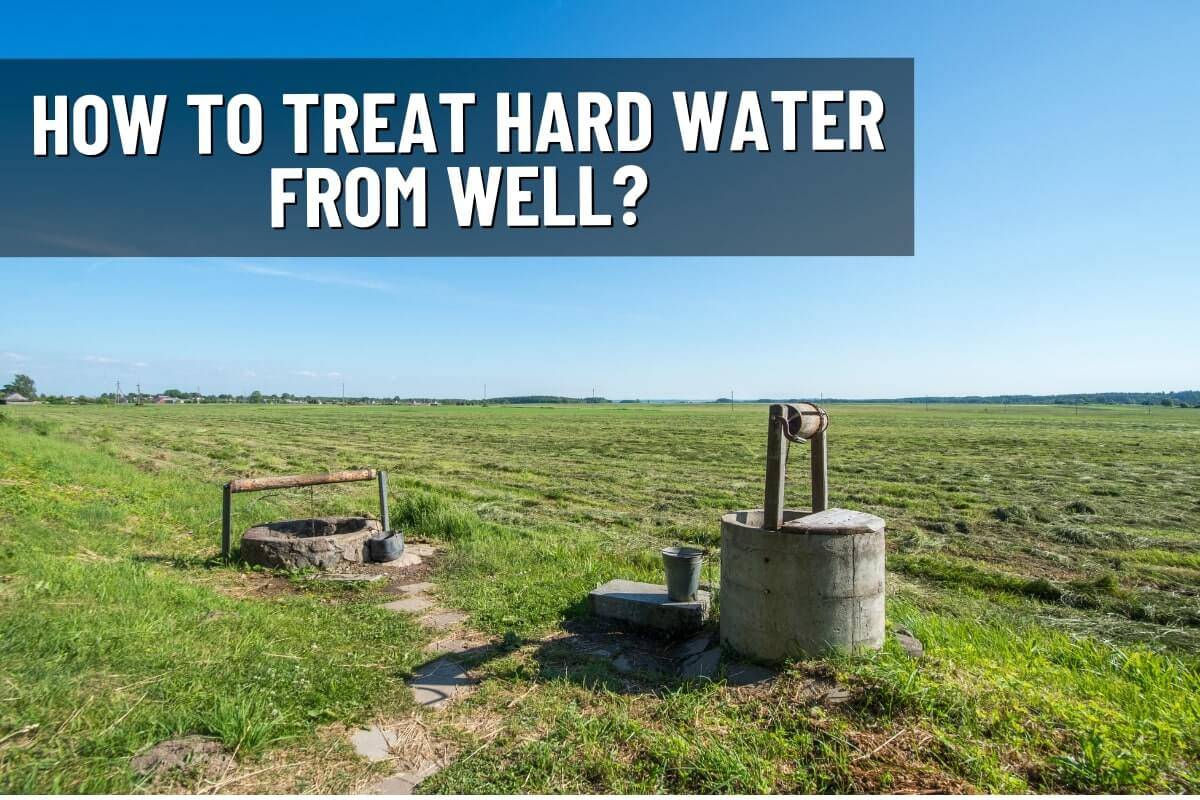
So, you’ve got hard water from your well. It’s leaving those chalky white stains on your glasses, and your soap just won’t lather properly, right? Don’t panic. You don’t need a lab coat or a chemistry degree to tackle this. Let’s look at some natural, chill ways to soften things up.
Why Hard Water is Actually Kind of Cool
First off, hard water isn’t bad for you. It’s just packed with calcium and magnesium—literally rock minerals that your well water picked up underground. Think of it as water that’s been on a mineral treasure hunt. The problem? It’s a bully to your pipes and your dishes.
The good news is, you can outsmart it without pouring harsh chemicals down your drain. Ever seen a kid try to build a sandcastle? That’s your hard water trying to form soap scum. We’re going to teach that kid to build something better.
Must Read
The Boiling Trick: Your Grandparents Knew This
Here’s the simplest trick in the book: boil your water. When you heat hard water, those calcium and magnesium minerals get grumpy and form a solid crust—that’s the white stuff in your kettle. Let the water cool, then scoop or filter out the sediment.
It’s like making a pot of tea, but instead of leaves, you’re fishing out rocks. This works best for drinking water or a small pot. For a whole house? Not so much. But hey, it’s free and natural.
Why Boiling is a “Micro-Magic” Fix
Boiling doesn’t remove all the hardness—just the temporary kind. Temporary hardness is like that friend who leaves after a party. Permanent hardness sticks around. If you have a lot of magnesium, boiling might only handle half the crowd. Still, it’s a great start for your morning coffee.
Vinegar: Your Fizzy, Sour Hero
Grab a bottle of plain white vinegar. It’s cheap, it’s edible, and it’s a natural acid that loves to dissolve mineral scale. Pour some into your dishwasher’s rinse compartment or run a cycle with a cup of vinegar on the top rack. The results? Sparkling glasses that don’t look foggy.
Is it a permanent fix? Nope. But it’s like giving your appliances a weekly bath. Vinegar is the spa treatment your hard water needs. Just don’t use it on natural stone countertops—it’s too aggressive for marble or granite.
 How To Treat Water Naturally at Sara Sugerman blog
Wait, Can You Drink Vinegar Water?
Some folks add a splash of apple cider vinegar to a glass of well water. It’s a myth that this “softens” it for drinking—it just changes the taste. But hey, if you like a tangy sip, go for it. For cleaning, stick to white vinegar. It’s cheaper and stronger.
Baking Soda: The Gentle Giant
Baking soda isn’t just for cookies. It’s a mild alkali that can help balance the pH of hard water. If your water feels slimy from high iron, a pinch of baking soda in a bath can make it feel silky. Add a half-cup to your laundry, and your towels will stop feeling like sandpaper.
Think of it as the water softener you already have in your pantry. It won’t remove minerals, but it will make them behave. It’s the friendly neighbor who calms down the loud party.
The Zeolite Rock: Nature’s Sponge
Here’s a fun one: zeolite. It’s a volcanic mineral that looks like a gray sponge. Drop a small bag of it into your well or into a water filter, and it traps calcium and magnesium like a magnet. It’s completely natural and lasts for months.
You can buy zeolite online or at garden stores. It’s the same stuff used in water gardens to keep koi ponds clear. Your well water will thank you. Just rinse it with salt water to recharge it—no electricity needed.
 Water Filter Guru on Tumblr
A Quick Salt Warning
Commercial water softeners use salt, but that’s not “natural” for everyone. If you’re on a low-sodium diet or care about your garden, skip the salt pellets. Zeolite works without adding sodium to your water. Less salty, more rocky—way cooler.
Let Time Do the Work
Hard water is lazy. If you let a bucket of well water sit for 24 hours, some minerals will settle to the bottom. This is called settling. Pour off the clear top water for drinking, and leave the cloudy bottom stuff for watering plants.
It’s not instant, but it’s free and uses zero energy. You can even add a tablespoon of crushed eggshells to the bucket—they help pull out extra minerals. Yes, that’s a real thing. Your grandmother’s grandmother did it.
Is This “Modern” Enough?
Probably not for a busy household. These natural fixes are like using a broom instead a vacuum cleaner—they work, but they take effort. If you want a whole-house solution without chemicals, consider installing a water distiller or a reverse osmosis system. Both use natural processes (boiling and membrane filtration) to strip out minerals.
But for a chill, weekend project? Try the vinegar rinse or the zeolite bag. You’ll feel like a wizard. And your coffee will taste like it’s from a mountain spring.
So, next time you see that white ring in your sink, just smile. You know how to fix it—no lab coat required. Nature’s got your back.
