Why Is My Dishwasher Leaving White Residue

So there you are, pulling open the dishwasher after a long cycle, expecting a sparkling victory dance. Instead, you’re greeted by glasses that look like they’ve been dusted wi...

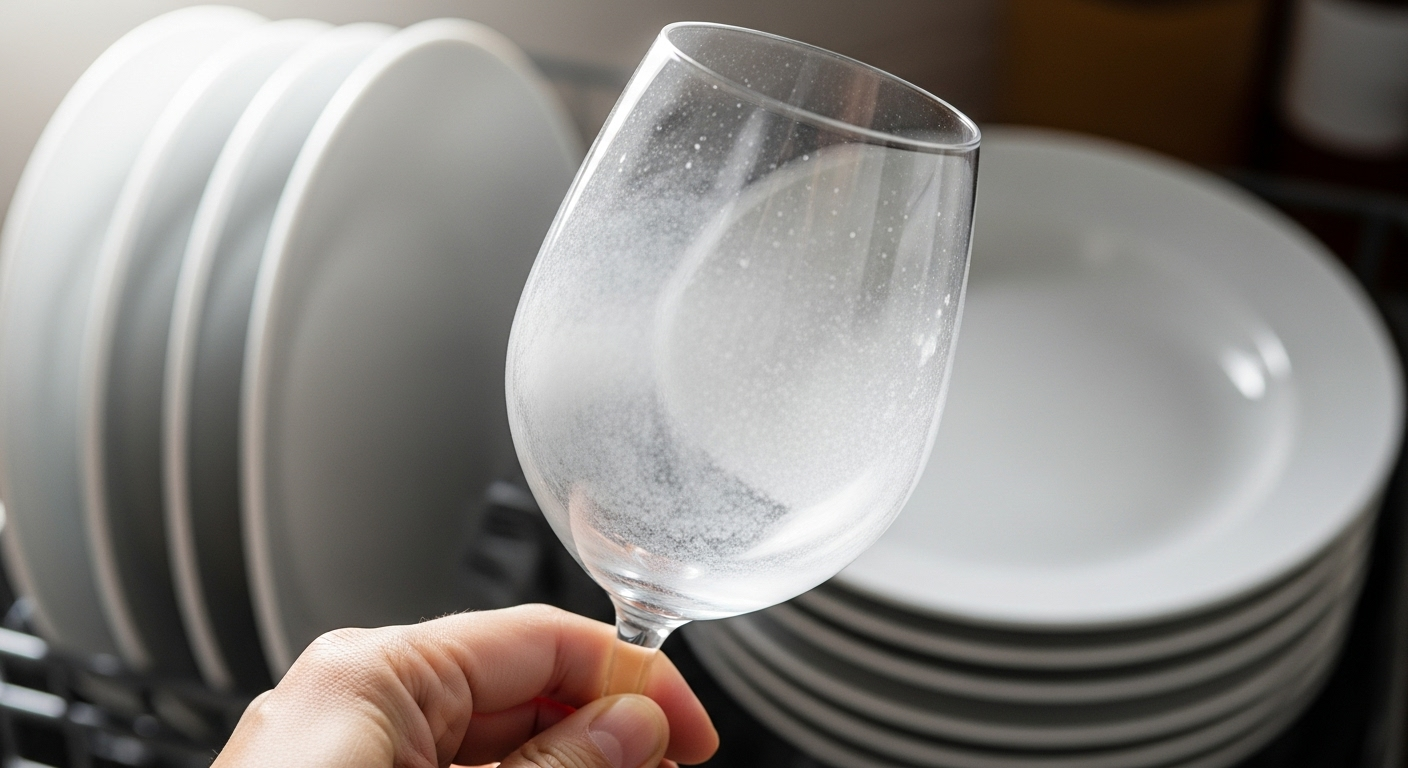
So there you are, pulling open the dishwasher after a long cycle, expecting a sparkling victory dance. Instead, you’re greeted by glasses that look like they’ve been dusted with powdered sugar by a ghost with a vendetta. That white, crusty film is the arch-nemesis of clean dishes, and it’s time we unmask this villain.
First, let’s get one thing straight: that residue is not your dishwasher being lazy. It’s usually a buildup of hard water minerals, specifically calcium and magnesium, which are basically the chalky skeletons of ancient sea creatures that survived the last ice age just to annoy you. When your water is “hard,” it’s packed with these minerals, and your dishwasher detergent struggles to dissolve them. The result? A ghostly film that makes your wine glasses look like they belong in a haunted dollar store.
Imagine your dishwasher as a tiny, frantic water park for dishes. In hard water, the soap molecules get overwhelmed—like a lifeguard trying to save a drowning… rock. The minerals grab onto the soap before it can clean, leaving behind that white crud. A 2019 study by the Water Quality Association found that 85% of U.S. households have hard water, so you are not alone in this chalky conspiracy. Even Nostradamus predicted this, probably: “When the ghost of limestone haunts the rinse cycle, humanity shall weep into cloudy tumblers.”
Must Read
The Usual Suspects (Spoiler: It’s Not Your Mother’s Fault)
Your first suspect: detergent. If you’re using a generic brand that looks like it was made in a shed, switch to a quality powder or gel with citric acid or chelating agents—fancy words for “minute jailers.” These bind to the calcium and magnesium and flush them down the drain like tiny prisoners. Pro tip: Don’t use that “all-in-one” tablet if your water is harder than a math test; it’s like trying to fight a bear with a feather duster.
Second suspect: your rinse aid compartment is empty. Rinse aid is not a myth—it’s liquid wizardry. It contains surfactants that make water “wetter,” so it slides off dishes instead of beading up and leaving mineral spots. If your rinse aid is dry, your glasses are crying. Fill it up and watch the evil film retreat like a vampire in a Walmart.
The Hack That Will Make You Look Like a Dishwasher Whisperer
Here’s the surprise twist: revenge of the dishwasher salt. You know how some dishwashers have a weird cap at the bottom labeled “salt”? That’s not a secret snack compartment; it’s a hard-water killer. This is not table salt—it’s pure sodium chloride, which recharges the machine’s built-in water softener. If your machine has this feature, fill it up. If not, you can buy a whole-house water softener. Yes, it costs money, but your crystal stemware will thank you by not looking like a freezer-burned Iceland.
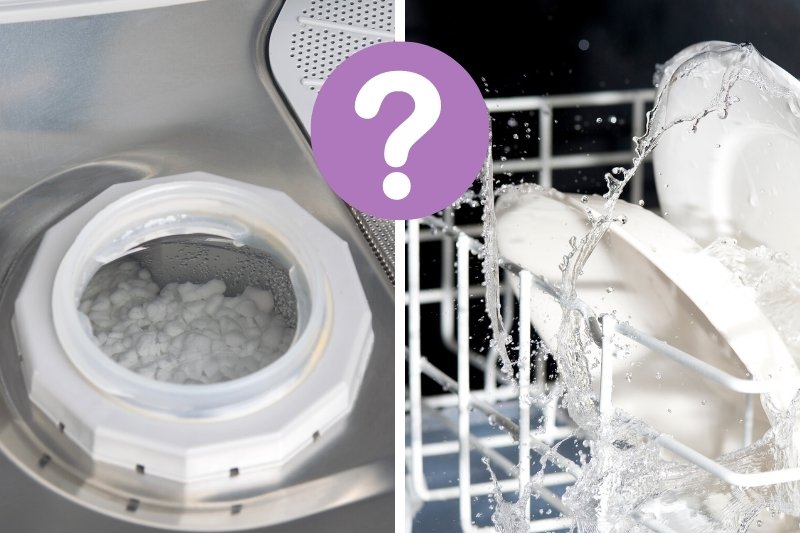 Why Is My Dishwasher Leaving a White Chalky Residue on Everything?
Also, check your spray arms. If they’re clogged with lime scale (that white stuff), they spray like a ninja with a squirt gun. Stick a toothpick in the holes and clear them out. You’ll hear a satisfying poof of water pressure, and your dishes will stop looking like they survived a blizzard.
Fun fact: European dishwashers often come with built-in water softeners, but U.S. models frequently skip them because “America.” In Germany, leaving white residue is a crime against engineering—they’d probably send you a strongly worded letter and a bag of salt.
The Last Resort: The Vinegar Exorcism
If all else fails, it’s time for the vinegar exorcism. Place a cup of white vinegar on the top rack (no, not the bottom—it’ll eat the rubber seals) and run a cycle on the hottest setting. The acid breaks down the mineral deposits like a teenager’s dignity at a family reunion. Don’t mix vinegar with bleach, unless you want to recreate a chemical warfare scene from a sci-fi movie. Also, do this once a month, not every Tuesday—your rubber seals aren’t made of armor.
 common dishwasher problems solutions Guides | Need a New Dishwasher
But wait—there’s a startling truth: sometimes the white residue is not hard water. It could be silicate residue from new detergent. Yes, some detergents leave a film if you use too much, especially in soft water. If you live in a soft-water area, half the detergent is plenty. The EPA actually says overusing detergent is a top reason for residue, but no one reads the fine print. You’re welcome.
The Final Unburdening
Still seeing white? Check your water temperature. Your dishwasher needs 120–140°F (49–60°C) to activate the detergent properly. If your water heater is set to “lukewarm gnome bath,” the soap won’t dissolve—just like a cheap latte at a gas station. Turn it up a notch, but not so high that you scald yourself in the shower. It’s a delicate dance.
One last joke: you know how your grandmother swore by Lemi Shine? It’s basically citric acid in a cartoon bottle. That stuff works because it makes the water so acidic the minerals cower. But don’t overdo it, or your dishes will taste like sour candy. Just enough, grandma. Just enough.
So there you have it. The white residue is not a curse—it’s a cry for help from your dishwasher. Give it salt, rinse aid, and the occasional vinegar spa day, and you’ll have glasses so clear you’ll think you’re a dental hygienist. Go forth, and may your next load be as spotless as your alibi.
