How Long Does Resin Last In Water Softener

So, you’ve got a water softener humming away in your basement or garage. It’s like that quiet, reliable friend who never complains. But have you ever stopped and wondered abou...
So, you’ve got a water softener humming away in your basement or garage. It’s like that quiet, reliable friend who never complains. But have you ever stopped and wondered about the little resin beads doing all the heavy lifting?
You know, the stuff that actually makes your shower feel silky and your coffee taste less like a science experiment. It’s a fair question: how long does resin last in a water softener? Let’s chat about it like we’re swapping stories over a fence.
The Short, Sweet Answer
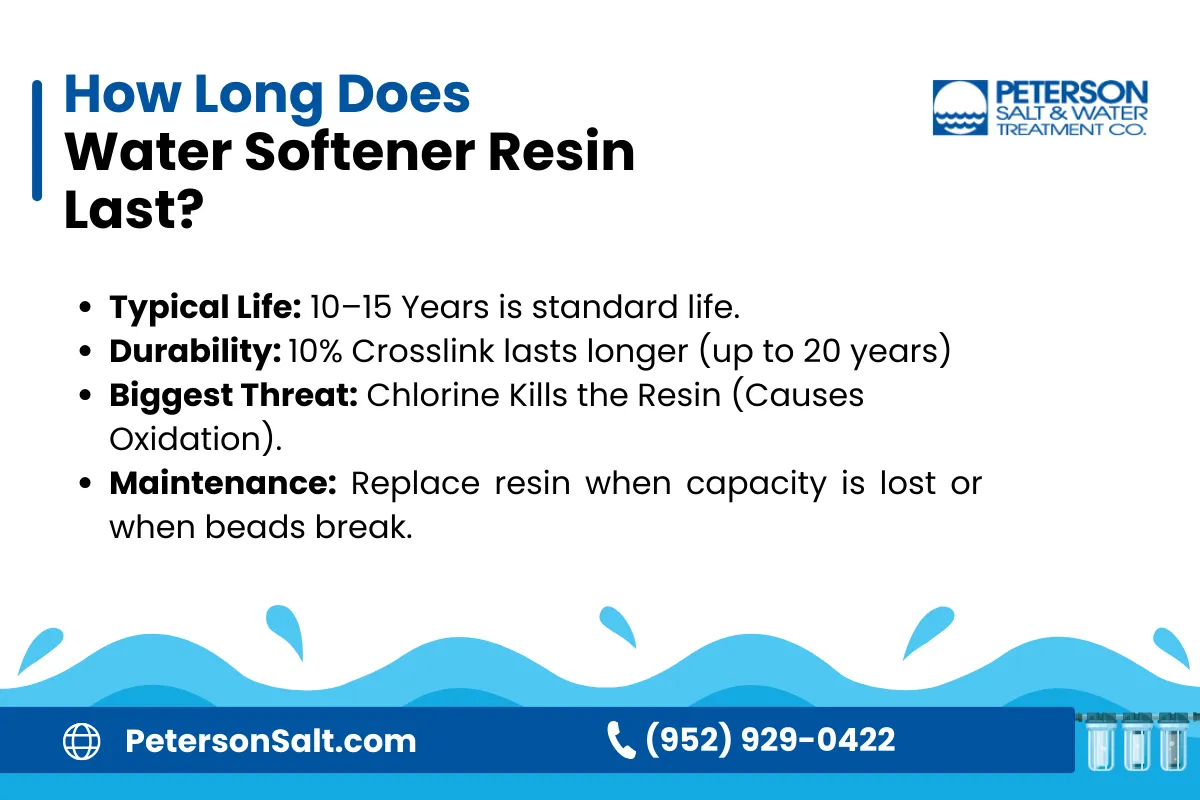
Most resin beads will happily work for 10 to 15 years. That’s a solid run, longer than most of us keep a smartphone, right?
Must Read
But here’s the catch: that lifespan isn’t a guarantee. Think of it like your favorite pair of jeans. Wear them every day, wash them with rocks, and they’ll fray fast. Treat them right, and they’ll last a decade.
What Messes with the Resin?
Your water’s chemistry is the biggest boss here. If you have high levels of iron, manganese, or chlorine—common in city water—those little beads take a beating.
Imagine a sponge sitting in a puddle of rusty water. Over time, that sponge gets gunked up and stops soaking things up. The same thing happens to resin: iron fouls it, and chlorine eats away at its structure.
Another sneaky villain? Low water pressure or a bad brine tank. If your system isn’t regenerating properly, the resin never gets a proper bath. It’s like forgetting to rinse your coffee cup for a week—eventually, it just smells off.
A Little Story from Real Life
My buddy Tim has a 15-year-old water softener. The other day, he noticed his faucets were getting white spots again. “I thought this thing was supposed to last forever!” he groaned.
We popped open the tank, and the resin looked like tiny, sad brown pebbles. It had given up the ghost. Tim’s lesson? Don’t assume it’s immortal. Listen to your water—it talks in funny ways, like spotty dishes or a stiff showerhead.
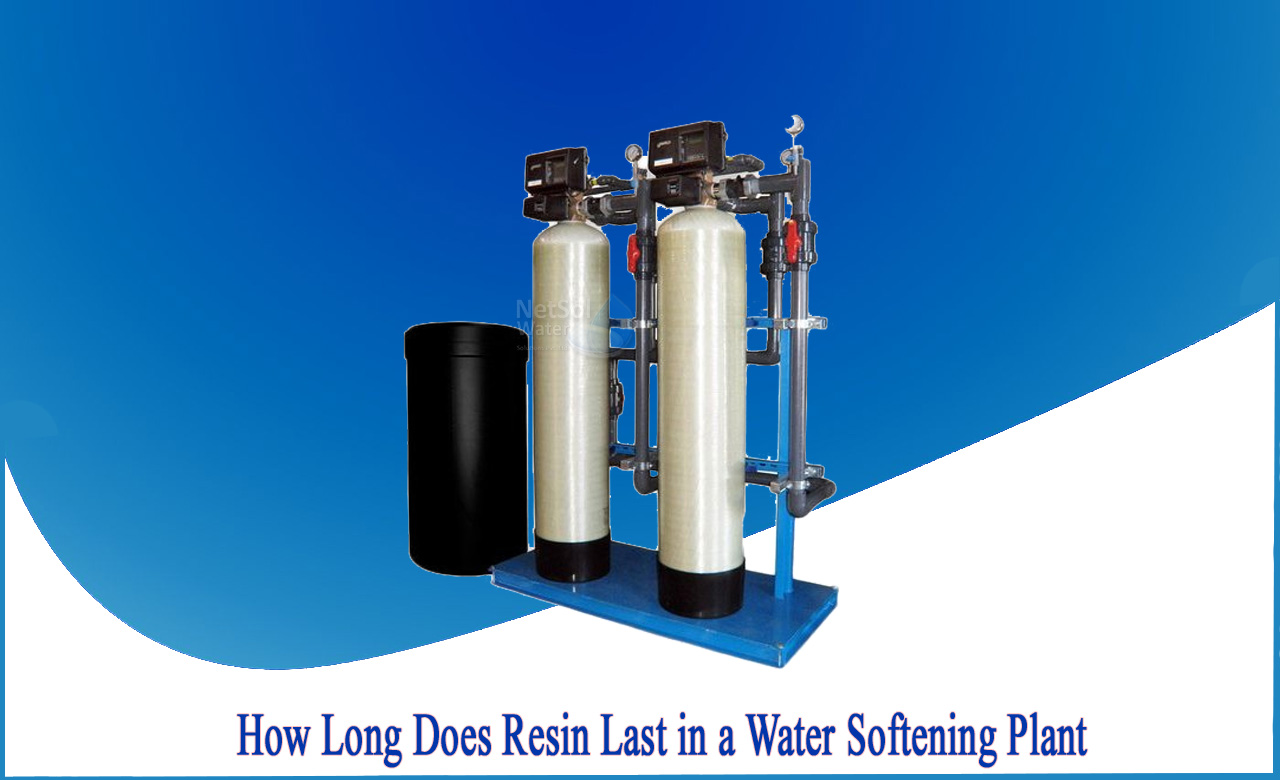 How long does resin last in a Water Softening plant
How Can You Tell It’s Tired?
Your water softener will drop hints long before it quits. You might feel sticky soap residue on your skin after a shower. Or your laundry might come out feeling rough, like sandpaper flannel.
The most obvious clue? Hard water spots on your glasses. When those white, chalky rings show up, your resin is basically waving a white flag. Another sign: your salt usage suddenly spikes. The system has to work much harder to do its job.
If you’re really curious, buy a simple hardness test strip from the hardware store. Dip it in your tap water. If the reading jumps from “soft” to “hard” within a few months, your resin is losing the battle.
Why You Should Care (Besides the Obvious)
Let’s get real: resin isn’t free. Replacing a tank of beads can cost $200 to $600, depending on your unit. That’s not pocket change, but it’s way cheaper than buying bottled water for a decade.
But here’s the fun part: soft water saves you money in hidden ways. Your water heater runs more efficiently. Your pipes don’t get clogged with scale. Your coffee maker stops breaking every 18 months. Happy resin means a happy wallet.
Think of it like changing your car’s oil. Ignore it, and you’ll be stranded. Pay attention, and your engine purrs for years. Same goes for those tiny beads—they’re the unsung heroes of your daily comfort.
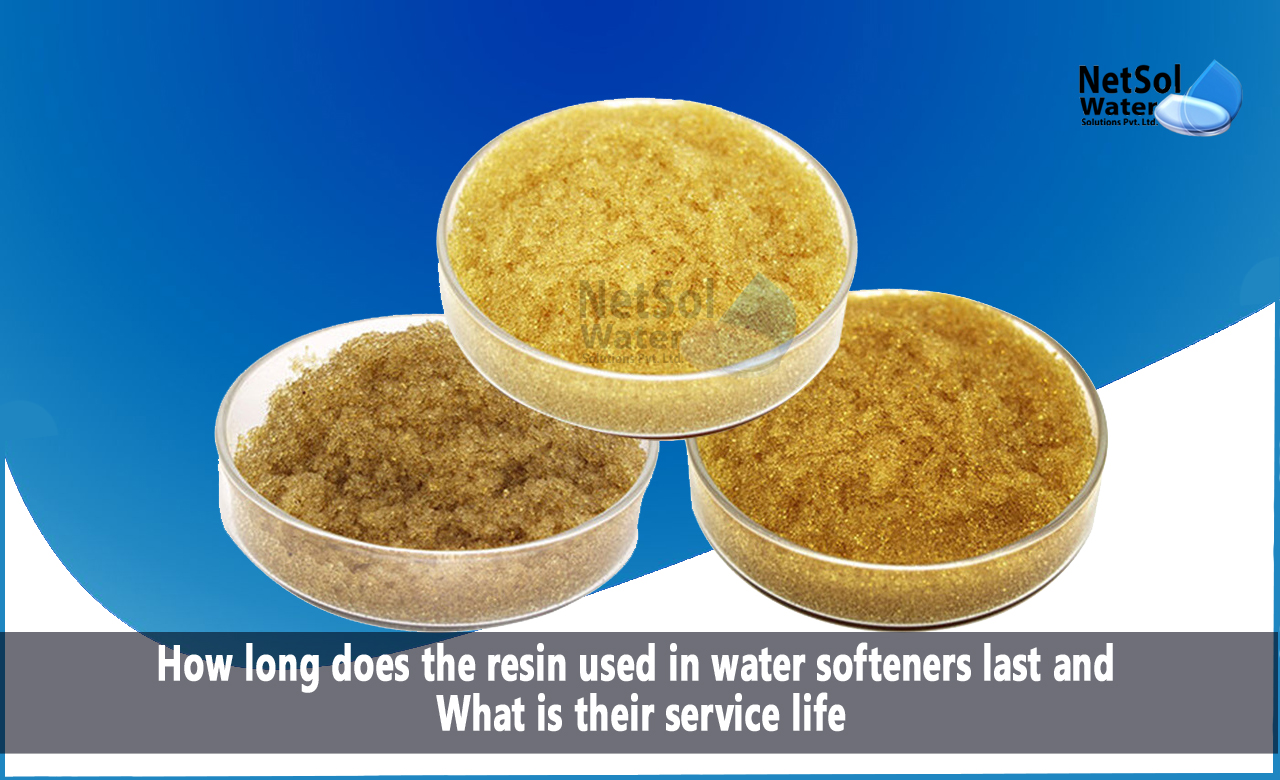 How Long Does A Water Softener Usually Last at Amber Polk blog
Can You Make It Last Longer?
Absolutely! First, test your water annually for iron and chlorine. If levels are high, consider a pre-filter. It’s like putting a screen on your window to keep bugs out—simple and effective.
Second, use high-quality salt. Cheap, dirty salt often has mud and sand that can gum up the resin. It’s like feeding your pet bargain-bin kibble and expecting a shiny coat. Spend a few extra bucks for clean, evaporated salt.
Third, don’t skip the regeneration cycles. Set your timer based on your household size. If you have a family of four, don’t try to stretch it to once a week. Regular baths keep beads happy.
The Final Pour
So, how long does resin last? In a perfect world, 15 years. In your real world, maybe 8 to 12 if you’re dealing with tough water. It’s not a forever thing, but it’s not a fleeting thing either.
Treat it like an old friend: give it a little attention, don’t let it sit in nasty conditions, and it’ll treat you to great water for years. And honestly? That’s a pretty sweet deal for a pile of tiny plastic beads.
Next time your softener kicks on in the middle of the night, give it a little nod. Those beads are working their tails off so you can enjoy a silky shower and a perfect cup of tea. Cheers to that.
