What Does Purified By Reverse Osmosis Mean

So, picture this: I’m in my kitchen, staring at a glass of tap water. It looks innocent enough—clear, cold, straight from the faucet. But my brain, being the overthinker it is...
So, picture this: I’m in my kitchen, staring at a glass of tap water. It looks innocent enough—clear, cold, straight from the faucet. But my brain, being the overthinker it is, starts whispering: “What’s actually in there? Chlorine? Lead? Tiny plastic dinosaurs?” (Okay, maybe not dinosaurs, but you get the vibe.) That’s when I realized I needed a filter—and then I saw those fancy words on the box: “purified by reverse osmosis.” Honestly? It sounded like something from a sci-fi movie, not something I’d install under my sink.
Let’s be real: if you’re like me, you’ve seen “reverse osmosis” on water bottles and thought, “Cool, but what does that even mean?” It’s not magic, though it kind of feels like it. At its core, reverse osmosis (RO) is a water purification process that uses a special membrane to filter out basically everything you don’t want in your water. We’re talking about stuff so tiny—like dissolved salts, bacteria, and even some viruses—that a regular filter would just laugh at them.
How does it actually work? (Grab your imaginary lab coat.)
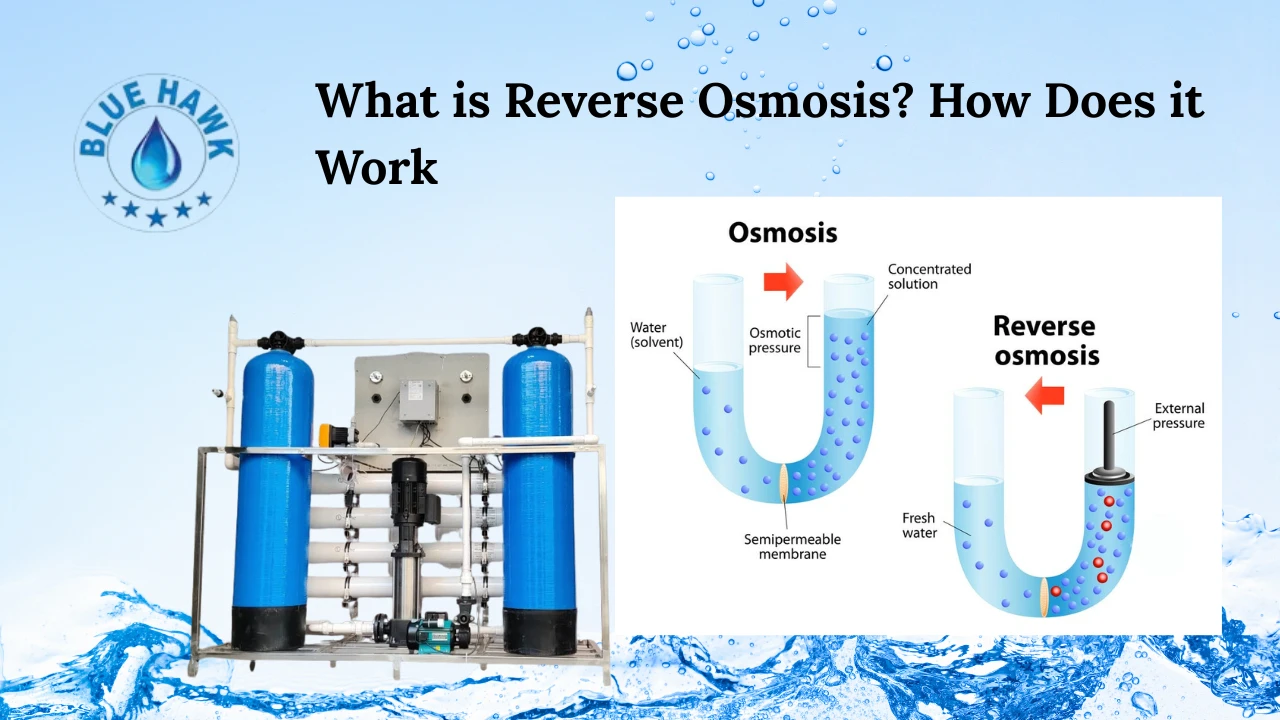
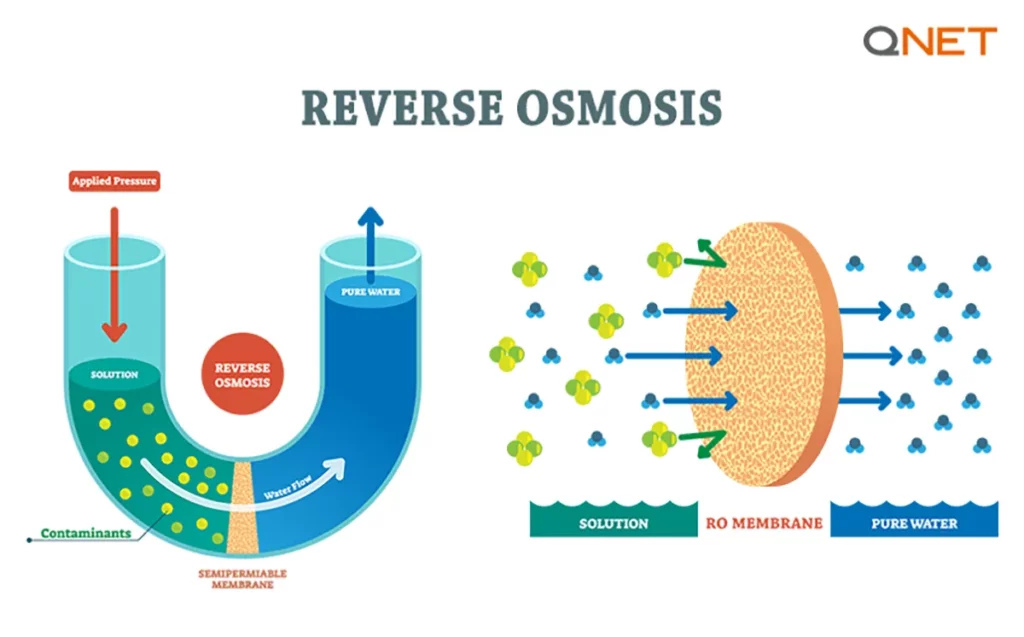
Here’s the nerdy part, but I promise it’s not painful. Normally, when you have two liquids separated by a semipermeable membrane, nature wants to balance things out—this is called osmosis. Water flows from the side with fewer impurities to the side with more, like people migrating to a crowded party. But reverse osmosis does the opposite: it pushes water against its natural flow using pressure.
Must Read
Imagine you’re trying to squeeze a water balloon through a tiny coffee filter—only the water gets through, and the balloon’s guts (the impurities) are left behind. That’s exactly what an RO system does: it forces your tap water through a super-fine membrane with pores so small you can’t even see them. The result? Water that’s been stripped of up to 99% of contaminants—metals, chemicals, fluoride, you name it.
Side note: if you ever watch a video of an RO system in action, it’s oddly satisfying. Like watching a tiny, very determined water hamster work out.
But wait—does “purified” mean “boring”?
I’ll be honest: when I first tried RO water, I thought, “Huh, it tastes… empty.” That’s because pure water has no taste. It sounds weird, but once you remove the minerals and chemicals, water becomes a blank slate. Some people hate that; they miss the little “zest” from tap water (hello, chlorine!). But if you’re someone who’s paranoid about what’s hiding in your glass, that blankness is exactly what you want.
 World-class Reverse Osmosis with MyHomePlus KNIGHT – Alkaline RO Water
Also, let’s talk about the elephant in the room: waste water. RO systems aren’t exactly environmental saints. For every gallon of purified water, they can waste 2–4 gallons of water that just gets flushed down the drain. Yikes. But modern systems are getting better—some now use a permeate pump to cut waste down significantly. So if you’re eco-conscious, do your homework before buying.
Is it worth the hype? Or just another kitchen gadget?
Here’s where I drop the “it depends” bomb (sorry). If you live somewhere with hard water, old pipes, or a well that might have bacteria, reverse osmosis is a game-changer. It’s basically a safety net for your kidneys. But if your tap water is already decent and you just hate the taste of plastic from your Brita, RO might be overkill—and expensive. A decent under-sink system can cost anywhere from $150 to $500, plus annual filter replacements.
And don’t get me started on plastic bottles. That’s the ironic part: buying “purified by reverse osmosis” bottled water is like paying for a fancy restaurant meal and then eating it in a parking lot. The whole point of RO is to avoid bottled water waste. So if you’re serious about purity, install a system at home and fill your own reusable bottle. Trust me, your wallet—and the ocean—will thank you.
 How To Start Up A Reverse Osmosis System at Sara Huff blog
So, what’s the verdict?
Reverse osmosis is like the overprotective parent of water filtration: it keeps out everything, even the good stuff (like minerals). But you can add those minerals back if you crave them—some systems include a remineralization filter for that exact reason. For me, after six months with an RO system, I’ve noticed my coffee doesn’t get that weird gray film on top. Also, my kettle? No more limescale crust. That alone feels like winning.
At the end of the day, purified by reverse osmosis means water that’s been through a rigorous, almost obsessive screening process. It’s clean, safe, and incredibly boring—which, honestly, is exactly what we want when we’re rinsing our kale or making baby formula. So next time you see that label on a bottle, you can smile and think: “Ah, I know what you went through to get here. You tough little droplet.”
Now, excuse me while I go refill my glass. Cheers to boring water. (Who knew it could be so satisfying?)
