Does Carbonated Water Have Phosphoric Acid

Let’s be real for a second. You’ve just cracked open a cold can of seltzer, and that crisp, bubbly fizz hits your tongue like a tiny fireworks display. But then a dark thought...
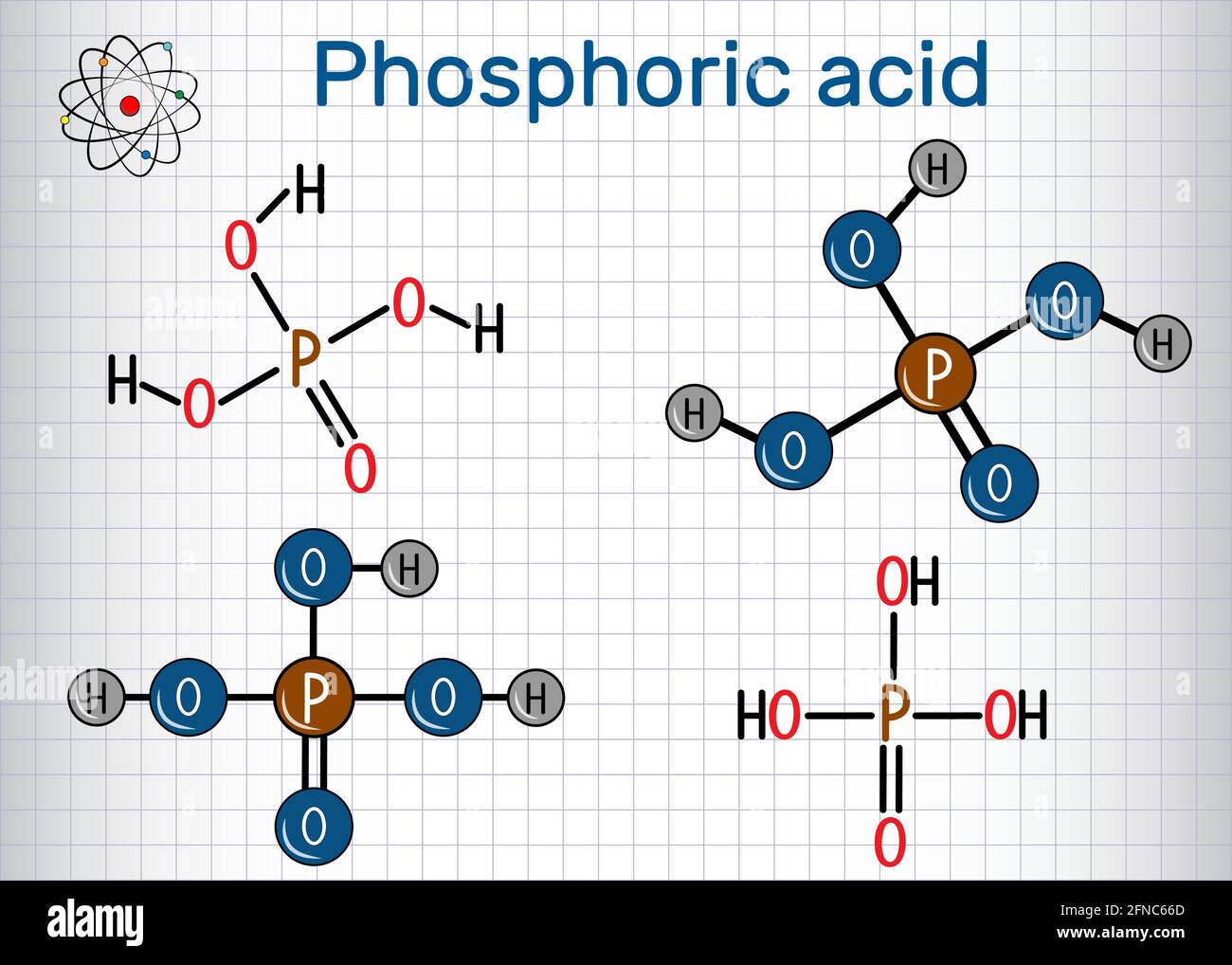
Let’s be real for a second. You’ve just cracked open a cold can of seltzer, and that crisp, bubbly fizz hits your tongue like a tiny fireworks display. But then a dark thought creeps in: Wait, is this stuff eating my teeth? You’ve heard the scary rumors about soda, phosphoric acid, and bone erosion. So, does your innocent, zero-calorie sparkling water have the same acidic punch?
The short, fizzy answer
Here’s the good news that will make you exhale with relief: Nope, most carbonated waters do not contain phosphoric acid. That’s the villain that lives in colas, giving them that sharp, almost tangy bite. Your plain seltzer, club soda, and mineral water get their bubbles from carbon dioxide reacting with water. It’s a chemistry party, but without the scary ingredients.
Think of phosphoric acid as the aggressive bouncer at a nightclub. It’s strong and not welcome at every party. Cola uses it for flavor and a long shelf life. Your LaCroix or Topo Chico? They’re more like a gentle yoga class—just bubbles and a little fizz, no tough chemicals needed.
Must Read
But wait, what about that “acidic” feeling?
Yes, carbonated water is slightly acidic (pH around 3-4), but it’s a different beast than soda. The acidity comes from carbonic acid, which forms when CO₂ dissolves in water. It’s so weak that your saliva neutralizes it almost instantly. Imagine the difference between a lemon slice and a shot of battery acid—that’s the leap from seltzer to cola.
I personally remembered this the hard way. One summer, I tried to quit Diet Coke cold turkey, switching to plain sparkling water. For three days, I felt like a malfunctioning robot. My brain craved that sharp cola tang. Then I realized: my brain wanted the phosphoric acid, not the bubbles. I was basically a caffeinated, acidic zombie.
The “taste test” we all secretly do
Have you ever taken a sip of store-brand seltzer and thought, “Hmm, this has a little kick”? That’s not phosphoric acid—it’s often citric acid or malic acid, used to add subtle fruit flavors. These are the nice neighbors who bring cookies over, not the ones who crank death metal at 3 AM. Your teeth can handle these just fine in moderation.
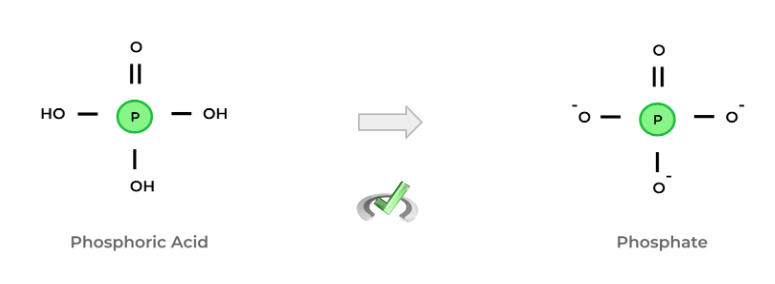 Inorganic Phosphate Structure
Funny enough, I once brought a sparkling water to a dinner party and someone sniffed it suspiciously. “Is this… healthy soda?” they asked, narrowing their eyes. I had to explain that it’s like comparing a gentle rain to a hurricane. Both are wet, but one leaves way less damage.
When does sparkling water become a problem?
Here’s where the “everyday life” kicks in. If you’re sipping a liter of lemon-flavored sparkling water every hour, your enamel might start waving a little white flag. That’s because the citric acid in flavorings adds extra acidity. But for normal, sane people who drink it as a treat? You are totally fine.
I’m that person who refills a bottle of sparkling water three times a day. My dentist once asked if I “soak my teeth in lemonade.” I laughed because I don’t—but I do love a fizzy pick-me-up. She shrugged and said, “Just don’t brush your teeth for 30 minutes after drinking it. You’re literally scrubbing the fizz into your enamel.” That was a “face-palm” moment.
 Phosphoric Acid Coke
The real enemy is hiding in your soda can
Let’s be honest: the phosphoric acid scare is mostly about sugar and cola. A 12-ounce can of cola has about 40-60 milligrams of phosphoric acid. That’s a lot of pucker power. Sparkling water? Zero. None. Zip. You’d have to invent a new type of water to get it in there.
I once challenged a friend to compare a sip of my plain seltzer with a sip of her Dr. Pepper. She made a face like she’d bitten into a lime wrapped in a lemon. “Mine is way more… aggressive,” she admitted. Exactly. That’s the phosphoric acid doing its thing. Your seltzer is basically a polite greeting.
A final, fizzy pep talk
So here’s the takeaway you can whisper to yourself next time you’re at a party: Carbonated water is not a secret villain. It’s not secretly filled with phosphoric acid. It’s just water that took a fun ride through a CO₂ tank. Unless you’re chugging gallons of it with added citric acid and no food, your teeth will survive.
Next time you grab that bubbly can, smile. You’re not drinking a chemistry experiment—you’re drinking hydration with a personality. And if anyone tries to fear-monger you, just nod and say, “I checked the ingredients, Karen. It’s H₂O and vibes.” Fizz on, my friend.
