Does Clearly Filtered Remove Microplastics

So, you’ve bought a fancy Clearly Filtered pitcher. Congratulations. You’re now part of the “I’m-too-good-for-tap-water-and-also-terrified-of-glitter-in-my-blood” club. But le...
So, you’ve bought a fancy Clearly Filtered pitcher. Congratulations. You’re now part of the “I’m-too-good-for-tap-water-and-also-terrified-of-glitter-in-my-blood” club. But let’s get down to the sticky, invisible business: does this thing actually yank microplastics out of your water? Grab your reusable mug and a healthy dose of skepticism. We’re diving in.
What the Heck Is a Microplastic, Anyway?
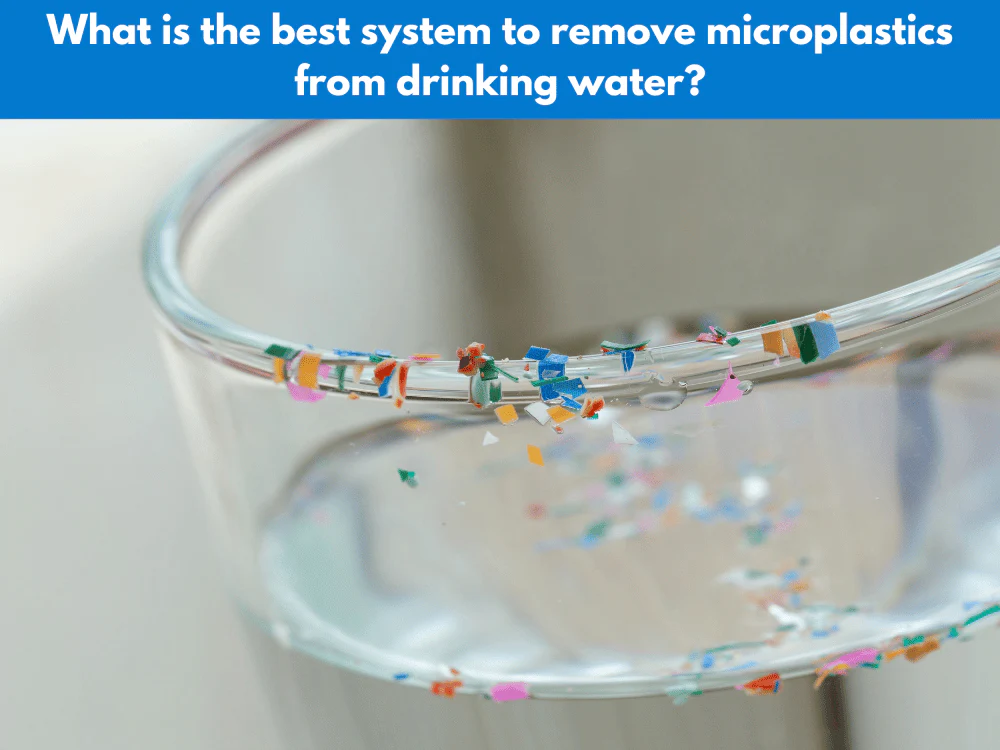
Picture a tiny, sad bit of plastic. Smaller than a sesame seed, smaller than your dignity after a karaoke night. These little monsters come from broken-down water bottles, synthetic clothes, and even car tires. They’re in your tap water, your bottled water, and probably your morning coffee if you’re clumsy with the straw.
Scientists have found microplastics in human blood, lungs, and even placentas. That’s not a fun family fact for Thanksgiving. So yes, you want them gone. The question is whether a glorified, expensive Brita is your knight in shining armor.
Must Read
The Filtered Truth: Lab Tests and Exaggerations
Clearly Filtered claims to remove 99.9% of microplastics. That’s a bold, borderline arrogant number. It’s like saying you’re almost perfect, except you still chew with your mouth open sometimes. But don’t take their word for it—look at the third-party testing from groups like IAPMO and NSF.
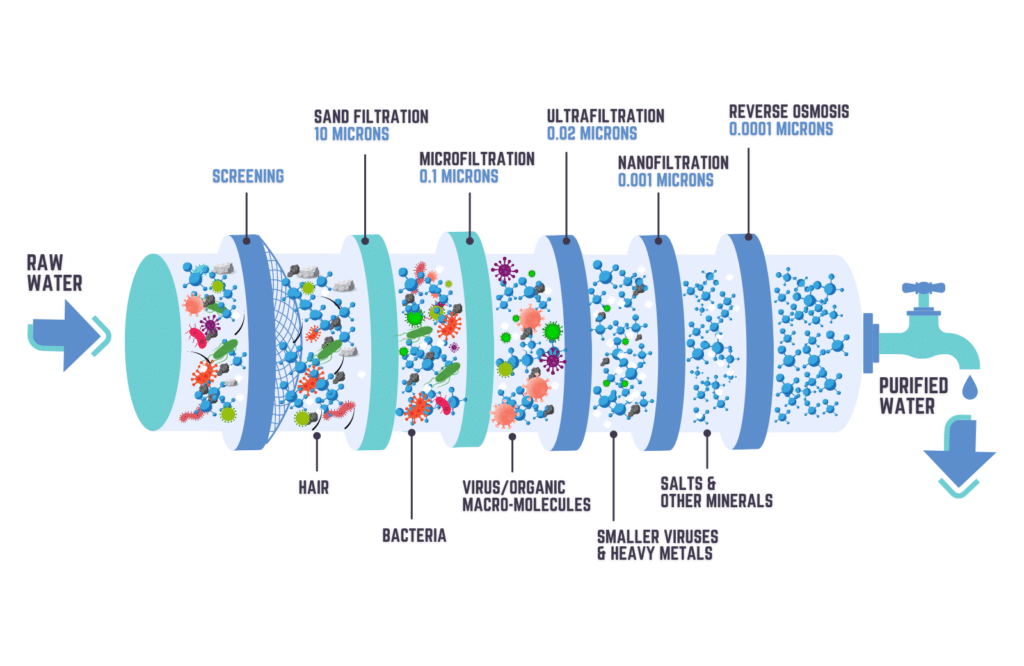
Those tests show their Affinity Filtration Technology is a beast. It uses a multi-stage process that traps particles down to 0.5 microns. A microplastic is usually about 5 microns or smaller, so 0.5 is like catching a mouse with a net made for gnats. That’s impressively overkill, and I mean that as a compliment.
One independent study by a water quality lab found that Clearly Filtered removed 99.9% of microplastics during testing. The same study also showed it stripped out lead, chlorine, and PFAS “forever chemicals.” Basically, it’s the bouncer at the club who lets nobody in—not even a glittery, toxic celebrity.
But Wait, There’s a Catch (There’s Always a Catch)
Here’s the joke: the filter has a lifespan of about 100 gallons or three months, whichever comes first. If you forget to change it, your water becomes a plastic soup again. It’s like buying a superhero cape but never washing it—eventually, it smells like failure and old pizza.
 Best Water Filtration Systems to Remove Microplastics - Filpure Water
Also, the filter is slow. We’re talking “watching paint dry while listening to a podcast about paint” slow. A full pitcher can take up to 10 minutes to filter. If you’re impatient, you’ll start drinking straight from the faucet and say, “Well, I guess microplastics are my new personality.”
Oh, and the price tag. A three-pack of replacement filters costs about $50. That’s fourteen dollars per filter, or roughly the cost of a fancy avocado toast. You’re literally paying to keep plastic out of your body by spending money that could otherwise be used to put plastic-wrapped avocados into your body. Irony is delicious.
The Surprising Competition: Does Just Any Filter Work?
Don’t run out and buy a Clearly Filtered just yet. Your standard fridge filter? It usually doesn’t mention microplastics. Brita? The basic ones are designed for taste, not for trapping microscopic plastic specks. They’re like a lovable golden retriever—great for cuddles, useless for crime-fighting.
But Claims Matter. Clearly Filtered has the test data. They’re not just slapping a “BPA-free” sticker on a plastic jug and calling it a day. Their tech uses a proprietary blend of activated carbon, ion exchange, and sub-micron filtration. It’s like a water spa for paranoid people. And it works.
 How to Avoid Microplastics in Water in 2026?
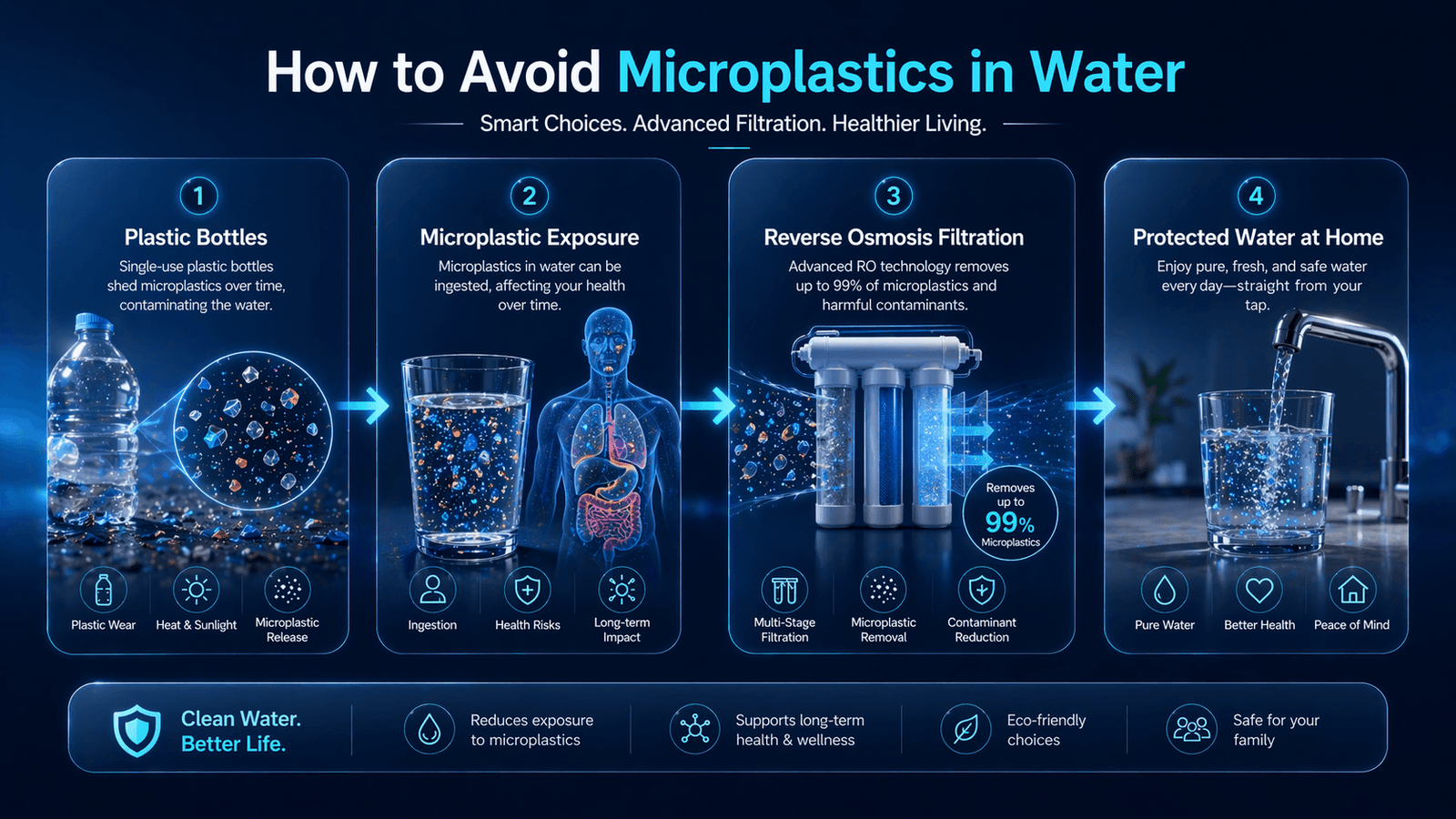
One study found that even “reusable” plastic water bottles shed thousands of microplastics per liter after a few washes. So if you’re using a Clearly Filtered pitcher but then pouring the water into a scratched Nalgene bottle, congratulations—you’ve just un-filtered your water. You played yourself.
So, Should You Buy One?
If you’re worried about microplastics (and you should be, because nobody wants to decompose into a sequin), then yes, Clearly Filtered is a solid choice. It’s not a scam. It’s not just a marketing gimmick. It’s a legit tool backed by boring, reliable science.
But don’t expect miracles. If your tap water is pumped directly from a landfill, no filter can fix that. And if you’re still eating food out of plastic containers and microwaving it like a maniac, the filter is merely a guilt-relief device. You need to stop recycling your takeout containers into your stomach.
Final verdict: Yes, Clearly Filtered removes microplastics. It’s the most effective pour-through pitcher on the market for this job. Just remember to change the filter, drink slowly, and maybe invest in some glass bottles so you don’t look like a hypocrite. Now go hydrate—but make sure your water is less plastic than your sense of humor.
