How Much Water Human Should Drink In A Day

Let’s be real for a second: you’ve probably heard the “eight glasses a day” rule so many times it’s practically a mantra. But is that number actually backed by science, or is...

Let’s be real for a second: you’ve probably heard the “eight glasses a day” rule so many times it’s practically a mantra. But is that number actually backed by science, or is it just a well-meaning myth passed around by wellness influencers and your mom? The truth is, hydration is personal—and a little more nuanced than a one-size-fits-all water bottle quota.
The National Academies of Sciences, Engineering, and Medicine drops a more flexible guideline: about 3.7 liters (15.5 cups) for men and 2.7 liters (11.5 cups) for women daily. That’s from all fluids—not just plain water. Your morning coffee, that juicy watermelon slice, and even your bowl of soup all count toward the tally.
The Myth of the Magic Number
Remember the “8×8 rule”—eight 8-ounce glasses a day? It’s catchy, but it’s not rooted in rigorous research. A 2002 study from Heinz Valtin, a Dartmouth physiologist, found no scientific evidence supporting the strict 8×8 commandment.
Must Read
Instead, your body is a brilliant self-regulator. You have a built-in hydration alarm: thirst. And let’s not forget the pee test—if it’s pale yellow like lemonade, you’re golden. If it’s dark like apple juice, chug a glass.
Think of it like a Goldilocks scenario: you don’t want too little (hello, headaches and fatigue) or too much (yes, overhydration is a thing, though rare). The sweet spot is balanced.
When Life Throws You Heat, Exercise, and Coffee
Your water needs aren’t static—they flex like your weekend plans. If you’re sweating it out at a hot yoga class or running a 10K, you’ll need extra fluids to replace what you lose. A good rule? Drink before you’re thirsty, but don’t force it.
Cultural habits also sneak in. In Japan, many people start the day with a glass of warm water, believing it kickstarts digestion. In Scandinavia, they don’t obsess over bottled water—they just sip from taps that rival spring water. And in Italy, you’ll see locals drinking mineral-rich sparkling water with lunch, not just plain H₂O.
So, if you’re a coffee lover (guilty as charged), don’t panic—your daily latte isn’t dehydrating you. A 2014 study in PLOS ONE found that moderate coffee consumption counts toward your fluid intake. Just don’t use it as a water replacement.
Fun Fact: The “Water Bottle” Trend
Did you know the smart water bottle market is exploding? Brands like LARQ and HidrateSpark track your sips and glow when you’re behind. It’s a cool gadget, but don’t let the tech stress you out. Your body’s cues are still the best tracker.
 Chart Shows How Much Water People Need To Drink According To Weight
Another quirky tidbit: ancient Romans didn’t drink plain water—they often mixed it with wine or vinegar for flavor and safety. Meanwhile, the Victorian era saw a rise in “water cures” for everything from anxiety to gout. We’ve come a long way, baby.
Practical Tips: How to Make Hydration Easy
Let’s get practical. Start your morning with a glass of water—it wakes up your metabolism after a night of fasting. Keep a reusable bottle on your desk, and set a phone reminder every hour.
If you struggle to drink enough, infuse it. Add cucumber slices, mint leaves, or a splash of lemon. It’s like a spa day in your glass, minus the price tag. For a savory twist, try celery and lime water—it’s surprisingly refreshing.
Another pro trick: eat your water. Foods like cucumber (96% water), watermelon (92%), and strawberries (91%) are hydrating and delicious. Plus, they’re packed with electrolytes and vitamins. It’s nature’s cheat code.
The Role of Electrolytes
Water alone isn’t always enough, especially after heavy exercise or a night of cocktails. Electrolytes like sodium, potassium, and magnesium help your body actually absorb the water. That’s why sports drinks (or a pinch of salt in your water) can be helpful.
But don’t go overboard—most of us get enough electrolytes from food. A banana after a run? That’s a perfect hydration pair. Coconut water is also a natural, low-sugar option, though it’s not a miracle cure.
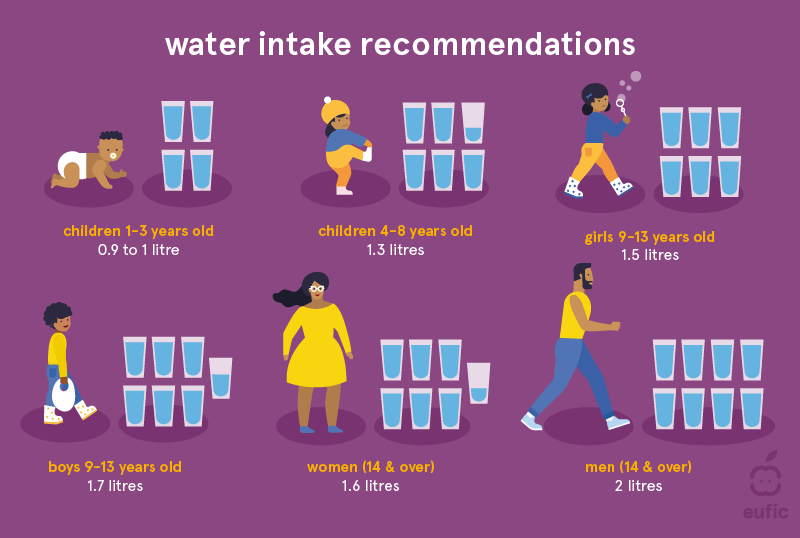 How Much Water Should You Drink A Day How Much Water Should You Drink
What Happens When You Get It Wrong?
Dehydration can sneak up on you like a tired afternoon slump. Symptoms include dry mouth, headache, dizziness, and even brain fog. A 2018 study from University of Connecticut found that even mild dehydration can impair mood and concentration.
On the flip side, overhydration (hyponatremia) is rare but serious. It happens when you drink too much water too quickly, diluting your blood’s sodium levels. Marathon runners are most at risk. The fix? Balance your intake with electrolyte-rich snacks and listen to your body.
The bottom line: moderation is your best friend. You don’t need to obsess over ounces; just aim to sip consistently throughout the day.
A Short Reflection: Water as a Daily Ritual
Think about it—something as simple as a glass of water can anchor your day. It’s a micro-moment of care, a pause between tasks. When you reach for water, you’re not just hydrating your cells; you’re tuning into your body’s quiet signals.
In a world that’s always “go, go, go,” that slow sip can be a small act of mindfulness. Maybe you don’t need to hit a perfect number. Maybe you just need to feel alive, refreshed, and present.
So, pour yourself a glass, take a breath, and drink up. Your body—and your spirit—will thank you. Cheers to balance, not perfection.
