What Is The Brine Tank On A Water Softener

You know that moment when you’re halfway through a load of laundry, and you grab a handful of socks—only to find they feel like cardboard? My own awakening came after a partic...

You know that moment when you’re halfway through a load of laundry, and you grab a handful of socks—only to find they feel like cardboard? My own awakening came after a particularly tragic shower. The soap wouldn’t lather, my hair felt like straw, and I’m pretty sure my kettle was plotting revenge with a layer of white scale.
That was the day I met my water softener. And inside that big, plastic tower was a secret player: the brine tank.
So, what is a brine tank, really?
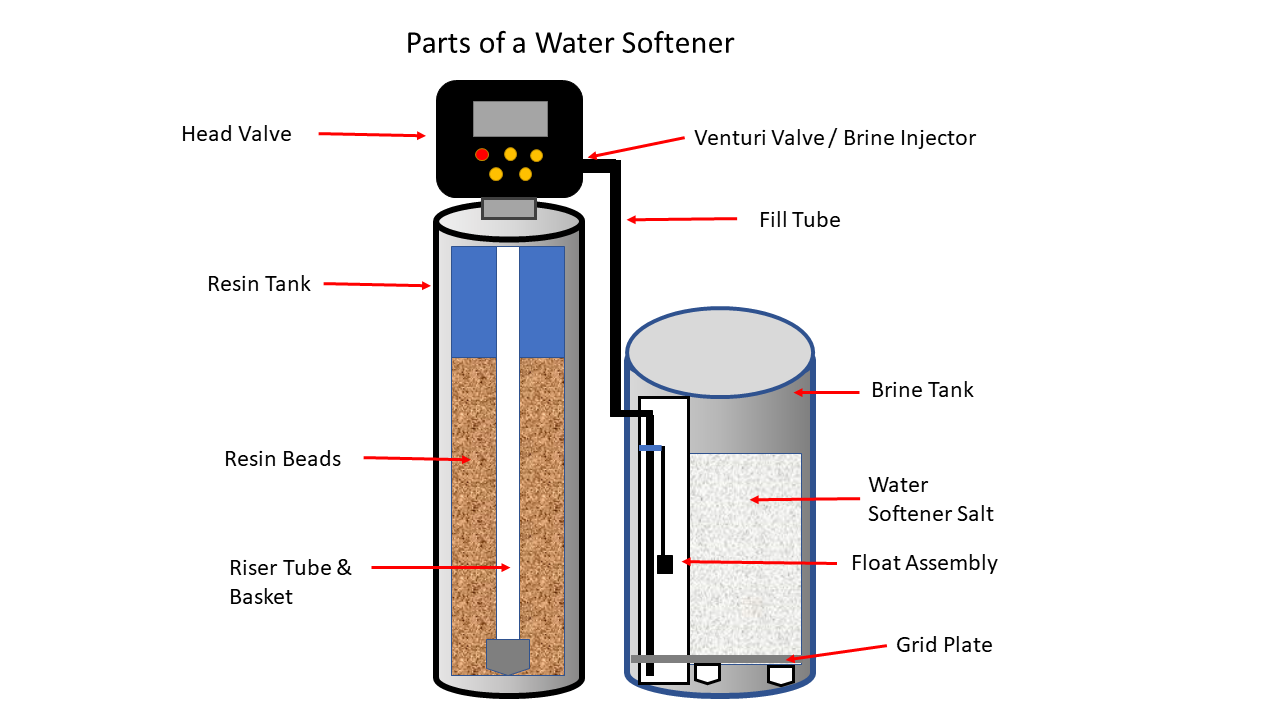
Think of it as the salt storage closet for your water softener. It’s that separate, usually shorter tank that sits next to the main resin tank. It doesn’t do the actual softening—that’s the resin tank’s job. The brine tank is more like the backstage crew that makes the magic happen.
Must Read
It holds the salt (or potassium chloride) and water to create a super-concentrated saltwater solution. That solution is called brine. And it’s the unsung hero of the whole operation.
How does this salty soup actually work?
Imagine your water softener’s resin beads are little sponges that trap hard minerals like calcium and magnesium. Over time, they get full. Full beads can’t grab any more minerals, so your water gets hard again. That’s where the brine tank steps in.
During a regeneration cycle (which usually happens at night while you sleep, like a tiny janitor), the system sucks the brine from that tank and flushes it over the resin beads. The high salt content physically yanks the calcium and magnesium off the beads. It’s like a chemical tug-of-war, and the salt always wins.
Then the whole mess gets rinsed down the drain, and your resin beads are fresh and hungry for more minerals. And you? You get soft, squeaky-clean skin. You’re welcome.
 Cylindrical Brine Tank 15-3000 Liter for Water Softener - Water
But wait—doesn’t salt just make everything worse?
I know, I know. Salt in your water? Sounds backwards. But here’s the kicker: the brine tank doesn’t send salt into your drinking water. It never mixes with your household supply. The brine only flows through the resin tank and then straight to the drain. Your drinking water stays as low-sodium as ever (unless you add salt yourself, which, please don’t).
It’s a bit like using a dirty mop to clean a floor—you soak the mop in soapy water, wring it out, and then rinse it clean. Your floors aren’t covered in soap residue. Similarly, your pipes aren’t filled with saltwater. Smart, right?
The "Gremlin" factor: what can go wrong
Now, let me tell you about the time my brine tank decided to play dead. I noticed my water was getting hard again, so I popped open the lid. Inside? Nothing but a dry, salt-crusted bridge that looked like a miniature Stonehenge. Salt bridging is when the salt forms a hard crust above the water, so no brine can form.
The fix? I grabbed a broom handle and gently poked the crust until it broke apart. A satisfyingly primitive solution, honestly. Also, check for mushrooming—that’s when the salt forms a solid block below the water level. That usually requires breaking it up or calling in a plumber who will judge your salt choice.
Can you ignore it? (Spoiler: no)
You can’t just fill the brine tank once and forget it. The salt gets used up every regeneration cycle. If you let it run dry, your resin beads will stay clogged with minerals. Your water will get hard again, and your coffee maker will cry. I mean it—the scale buildup will choke it.
 How Much Salt Should You Use? Trusted Advice from WaterSmart Experts
So, check the salt level every month (a quick peek inside is fine). Aim to keep it at least half full. Use water softener pellets or solar salt, not table salt—you’ll clog the system. And if you ever see a reddish sludge? That’s iron bacteria. You might need a sanitizing cycle or a resin cleaner. It’s gross, but treatable.
The golden rule of brine tank happiness
Always keep the lid on tight. Seriously. Don’t ask me how I know, but a mouse once found its way into my friend’s brine tank. He didn’t drown—he just floated in the salty water and died. Cleaning that out is not on anyone’s bucket list. So, lid on, lid locked.
Also, make sure the brine tank isn’t sitting in direct sunlight. Algae love warm, salty water. Yes, algae in your softener. It’s a thing. Keep it cool, keep it dark, and keep it salty.
So, do you really need to be best friends with your brine tank?
Only if you enjoy soft towels, spotless dishes, and skin that doesn’t feel like sandpaper. The brine tank is the cheap, lazy workhorse that earns its keep by doing one thing: making brine. And it does that job beautifully, as long as you toss in a bag of salt now and then.
It’s not glamorous. It’s not high-tech. It’s a bucket of salty water. But when your shower feels like a spa and your washing machine stops turning your whites gray? You’ll thank the little plastic tank in the corner. You’ll thank the brine tank. And then you’ll go buy a bag of salt. You’re welcome.
