How To Treat A Well With Coliform Bacteria

So, there I was, last summer, filling up a glass of water from my kitchen tap—thinking I was the picture of rural self-sufficiency. You know, smug off-grid vibes? Then my neig...
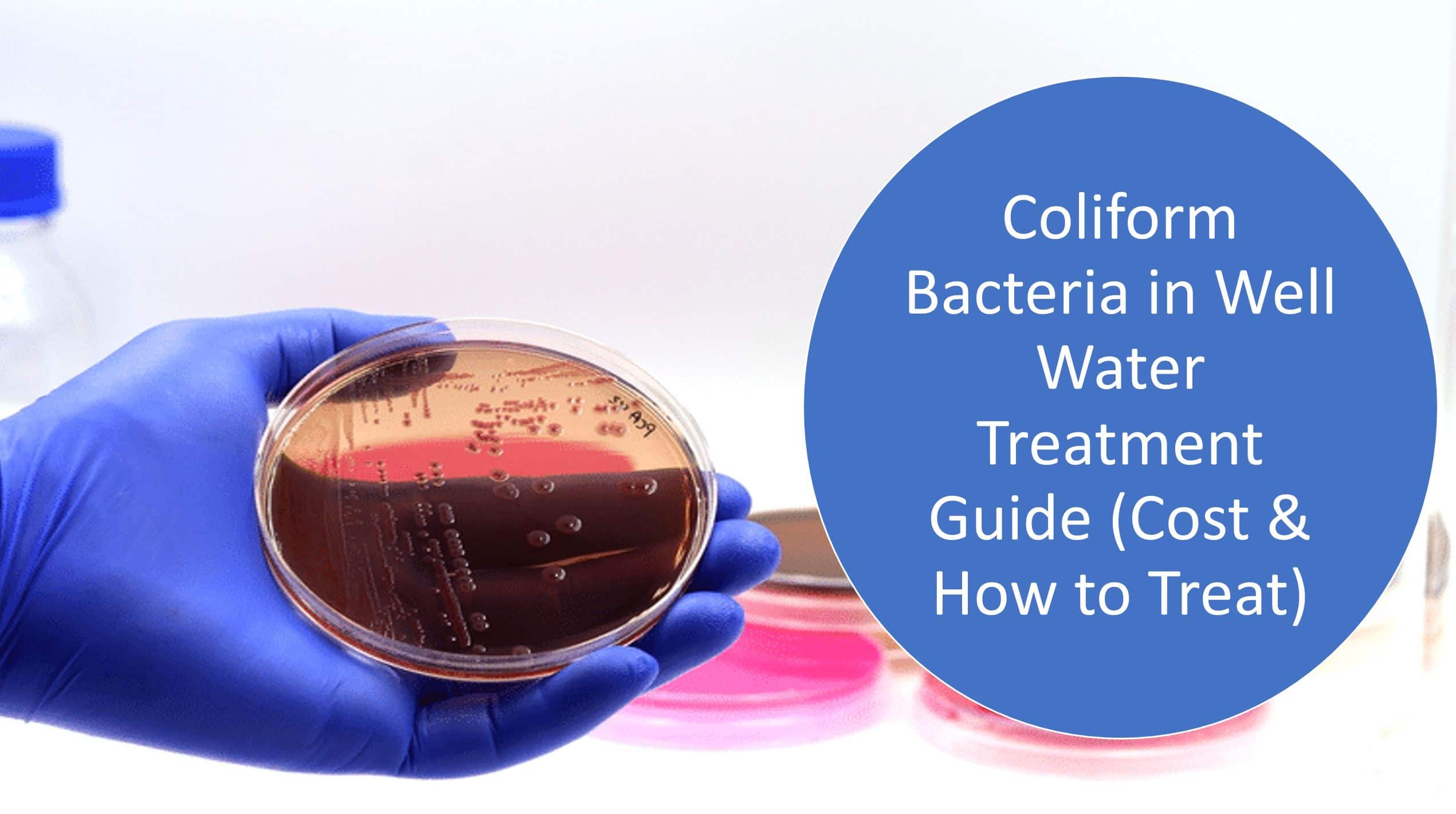
So, there I was, last summer, filling up a glass of water from my kitchen tap—thinking I was the picture of rural self-sufficiency. You know, smug off-grid vibes? Then my neighbor, a retired geologist with a nose for trouble, took a sip and wrinkled his face. “When’d you last test this?” he asked, peering at the glass like it contained alien eggs. Turns out, my well was hosting a microscopic house party—and the main guest was coliform bacteria. Not the cool kind of party, either.
Coliform bacteria are basically the canary in the coal mine for your water supply. They’re not always dangerous themselves—think of them as the clumsy cousins of E. coli—but their presence screams, “Hey, something gross is sneaking into your well!” That something could be surface water, animal poop, or a crack in your casing. Ignore them, and you’re rolling the dice with your gut (and your guests’ guts). So, how do you kick these uninvited guests out? Let’s dig in—pun intended.
Step One: Don’t Panic—But Do Test
First thing: confirm you’re not dealing with a false alarm. I sent a sample to a certified lab (cost me about $30 and a morning of my life). If the test comes back positive for total coliform—but negative for E. coli—you’ve got a fixable problem. If it’s positive for E. coli? That’s a boil water situation until you treat it. Pro tip: test your water after a heavy rainstorm, because that’s when runoff sneaks in like a thief in the night.
Must Read
Step Two: Shock Chlorination—Your Nuclear Option
This is the go-to method, and it’s surprisingly simple (and a little fun, honestly). You’re essentially giving your well a bleach bath. Grab unscented, household bleach—the cheap stuff, no additives or “splash-less” nonsense. Calculate the dose: for a typical well, you’ll need about 3 cups of bleach per 100 feet of water depth. (Don’t eyeball it, genius—measure it.) Pour it down the well head, then hook up a garden hose to a nearby spigot and run water back into the well for an hour. This recirculates the bleach like a really aggressive mixologist.
Here’s where it gets weird: you’ll smell chlorine everywhere. Your house, your clothes, your pet’s water bowl—it’s like swimming in a municipal pool. Let the bleach sit in the well and pipes for 12 to 24 hours. Do not drink or bathe during this time (ask me how I learned that lesson). After the wait, flush every outdoor tap until the chlorine smell fades. Then flush the indoor ones too—starting with the cold water taps, then the hot. Fair warning: your washing machine might revolt with weird suds. Run a rinse cycle with no clothes.
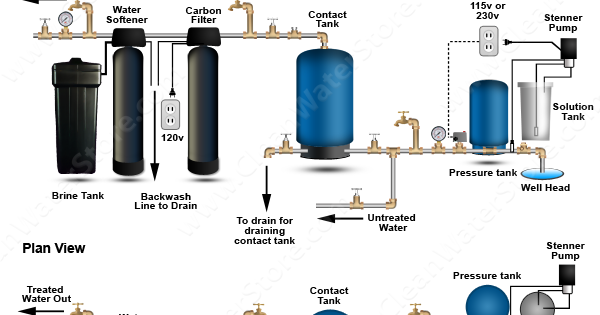 Clean Well Water Report: How to Treat My Well Water for Coliform Bacteria
Step Three: Retest, Retest, Retest
Wait at least a week after flushing, then test again. If the coliform is gone? Celebrate—but don’t assume it’s permanent. Bacteria can come back if the underlying issue isn’t fixed. If it’s still there? You’ll need a stronger treatment or a deeper investigation. I had to repeat shock chlorination twice before my stubborn well gave up the ghost. It’s like playing whack-a-mole with microbes—persistent but doable.
What If Shock Chlorination Fails?
Sometimes, the problem isn’t the water—it’s the well itself. A cracked casing or a loose well cap can let surface water (and the critters in it) slide right in. Check your well cap: is it tightly sealed? Is there a gap around the pipe? If you see daylight around the casing, you’ve found your culprit. You might need a pro to install a sanitary seal or even dig a new well. Yeah, it’s pricier, but cheaper than a hospital visit for cryptosporidium.
Another silent menace: biofilm. That slimy layer that builds up inside pipes can harbor bacteria even after you’ve shocked the well. Think of it as a bacterial Airbnb. To nuke it, consider a continuous chlorination system—a little injector that dribbles bleach into your water line 24/7. It’s like having a bouncer for your plumbing. Yes, it tastes like a gym pool for a week, but you’ll get used to it. Or you can install a carbon filter downstream to remove the chlorine taste. Priorities, people.
 How to Treat Coliform Bacteria in Well Water
Step Four: Prevention—Because Nobody Loves a Repeat Offender
Once you’ve cleared the bacteria, make sure they stay gone. Slope the ground around your well away from the casing—water should drain, not pool. Keep pesticides, manure, and lawn chemicals at least 50 feet away. And for the love of all that is holy, don’t let your dog do its business near the wellhead. I’m looking at you, Fido. Test your water annually, even if you think it’s fine. It’s cheaper than a case of the trots.
Also, get a UV filter if you’re paranoid (or have a high water table). UV light zaps bacteria without chemicals—like a tanning bed for germs. It’s an upfront cost, but it’s the roach motel of water treatment: they check in, they don’t check out. Pair it with a sediment filter to catch the debris first. Your water will taste like nothing, which is exactly what you want.
Treating a well with coliform is a bit like house-training a stubborn puppy: messy, frustrating, but totally possible with patience. You’ll learn more about your plumbing than you ever wanted to know, and you’ll develop a newfound respect for the invisible world living in your pipes. And honestly? After that first glass of clean, bacteria-free water? You’ll feel like a god of hydro-engineering. Just, uh, maybe don’t let your geologist neighbor visit unannounced. Trust me on that one.
