How To Remove Coliform Bacteria From Water

So, you’ve just gotten your water test results back, and there it is: coliform bacteria. Don’t panic. It sounds like a villain from a sci-fi movie, but it’s really just nature...
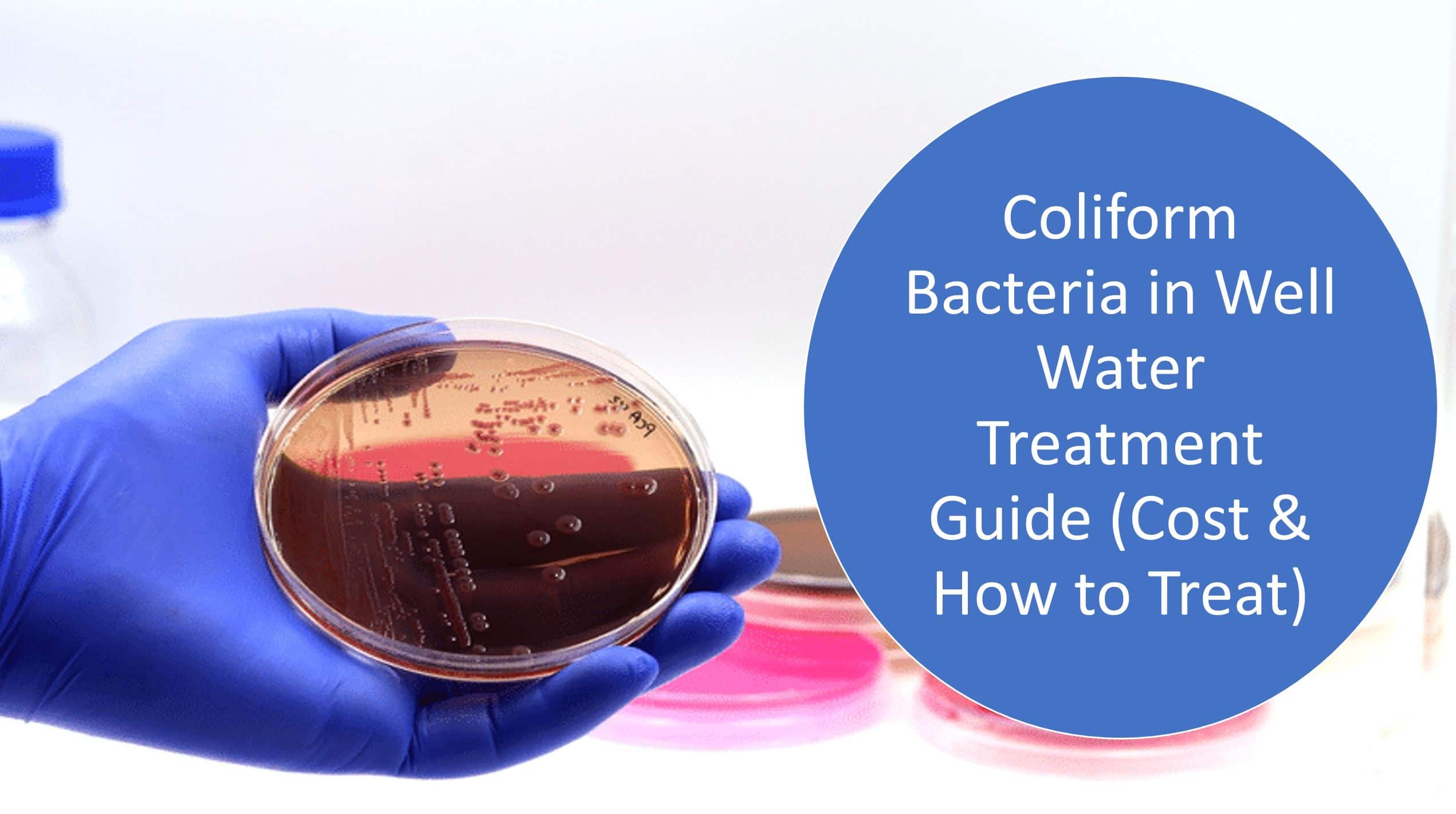
So, you’ve just gotten your water test results back, and there it is: coliform bacteria. Don’t panic. It sounds like a villain from a sci-fi movie, but it’s really just nature’s way of reminding you that even your tap water can use a little spa day.
First Things First: What is This Stuff?
Coliform bacteria are tiny hitchhikers that usually come from soil, decaying plants, or—let’s be honest—poop. Yep, I said it. They’re not always dangerous, but they suggest that bad things like E. coli or viruses might be crashing your water party.
Think of coliforms as the “message in a bottle” you don’t want to find. If they show up, it’s time to roll up your sleeves and do some water cleanup.
Must Read
Your Removal Toolbox (No PhD Required)
You have options, and none of them involve waving a magic wand—though that would be awesome. Let’s break down the three most common ways to kick coliforms out of your water supply. Spoiler: you can handle these like a pro.
1. Boiling: The Old Reliable
Boiling is the nuclear option for lazy people—and I mean that as a compliment. Bring your water to a rolling boil for at least one minute (or three minutes if you’re above 6,500 feet, because science is picky).
This kills coliforms instantly, like a hot tub for germs. But here’s the catch: you can’t boil your entire well or city supply. So this works for drinking and cooking, but not for your morning shower singalong.
2. Chlorination: The Pool Party Method
Chlorine is the bouncer of the water world. It grabs coliforms by the scruff and kicks them out. You can buy liquid household bleach (unscented, no fancy additives—your water doesn’t care about “ocean breeze” scent).
Add about 8 drops per gallon, let it sit for 30 minutes, and boom—bacteria-free. If you’re treating a whole well system, you’ll need to do a shock chlorination, which is as fun as it sounds. Just follow the directions on a test kit, and try not to smell like a swimming pool for a week.
 Water Filtration System To Remove Coliform Bacteria at Sharon Soliz blog
3. UV Light: The Sci-Fi Solution
Ultraviolet light systems are like tiny suns for your pipes. They zap coliforms dead without adding chemicals or weird tastes. No boiling, no bleach—just pure, invisible light that makes bacteria feel very unwelcome.
Install a UV unit in your water line, and it’ll work 24/7 like a superhero on overtime. The only downside? You need clear water, so filter out mud or rust first. Otherwise, UV light is basically shining a flashlight through a dirty sock.
Bonus Round: Reverse Osmosis and Filtration
Reverse osmosis (RO) systems are the overachievers of water treatment. They push water through a membrane so tight, even bacteria get claustrophobic. RO is great for point-of-use, like your kitchen sink, but it’s slow—like watching paint dry while you’re thirsty.
For a simpler fix, use NSF-certified filters labeled for bacteria removal. These aren’t your average pitcher filters; they’re designed to catch microscopic stowaways. Just remember to change them on time, or you’ll be filtering water through a germ hotel.
When to Call in the Pros
Sometimes, coliforms are stubborn. They hide in well cracks, old pipes, or that weird puddle near your septic tank. If boiling and shocking don’t work, hire a certified water treatment pro. They’ll test, treat, and maybe even diagnose if your well has a leaky relationship with surface water.
 E Coli Water Filter at Joanna Swanner blog
But here’s the good news: most cases are fixable with a weekend of effort and a little YouTube guidance. You’ve got this. Your water doesn’t need to taste like a science experiment.
Keeping the Buggers Away for Good
Once you’ve evicted the coliforms, prevent their return. Seal your well cap like it’s guarding treasure, and divert rainwater away from your wellhead. No more splashing puddles next to your drinking water—it’s basic hygiene, but we all get lazy.
Test your water every six months. It’s like an oil change for your home, but less greasy. And if you forget, just imagine coliforms doing a conga line through your sink—motivation achieved!
The Uplifting Conclusion
Look, finding coliform bacteria in your water feels like discovering a spider in your salad. Gross, unsettling, but totally manageable. You now have the tools, the jokes, and the know-how to kick those little critters out.
Imagine this: tomorrow morning, you’ll pour a glass of crystal-clear, coliform-free water, and you’ll take a sip like the hero of your own hydration story. You did that. Your water is safe. Your family is happy. And that tiny bacteria? It’s now someone else’s problem—probably in a distant sewer, wondering what hit it.
So go ahead, raise your glass. To clean water, small victories, and never having to say “coliform” without a triumphant grin. Cheers, you magnificent water warrior.
