How To Know If You Have Hard Or Soft Water

Let’s be honest—you’ve probably never stopped mid-shower to wonder, “Is this water hard or soft?” But trust me, once you know the difference, your whole life feels a little mo...
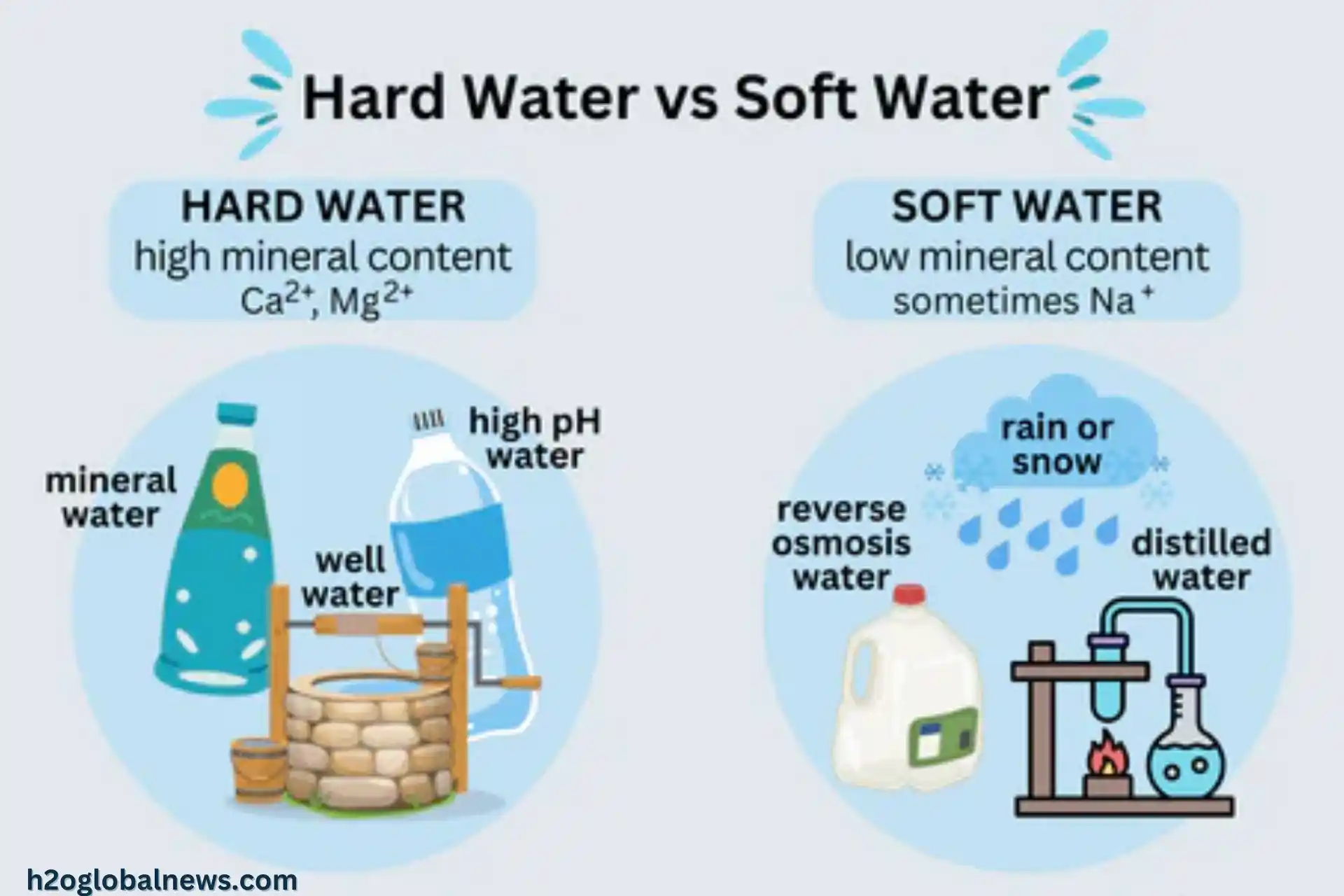
Let’s be honest—you’ve probably never stopped mid-shower to wonder, “Is this water hard or soft?” But trust me, once you know the difference, your whole life feels a little more magical. We’re talking about cleaner dishes, silkier hair, and zero mysterious white crust on your faucets. Ready to become a water detective? Let’s dive in!
First up: hard water. It’s packed with minerals, mostly calcium and magnesium—think of it as a rock concert in your pipes. Hard water leaves behind that chalky white buildup on your kettle and makes soap act like a grumpy toddler. Soap scum? That’s hard water’s signature calling card.
Now, soft water is the opposite—it’s been stripped of those minerals, often through a filter or naturally from rainwater. Soft water lathers up like a dream, leaves your skin feeling actually moisturized, and makes your dishes sparkle. Sounds perfect, right? But here’s the twist: soft water can feel a bit slippery, like you can’t quite rinse off the soap.
Must Read
The “Soap Test” (It’s Science, But Fun)
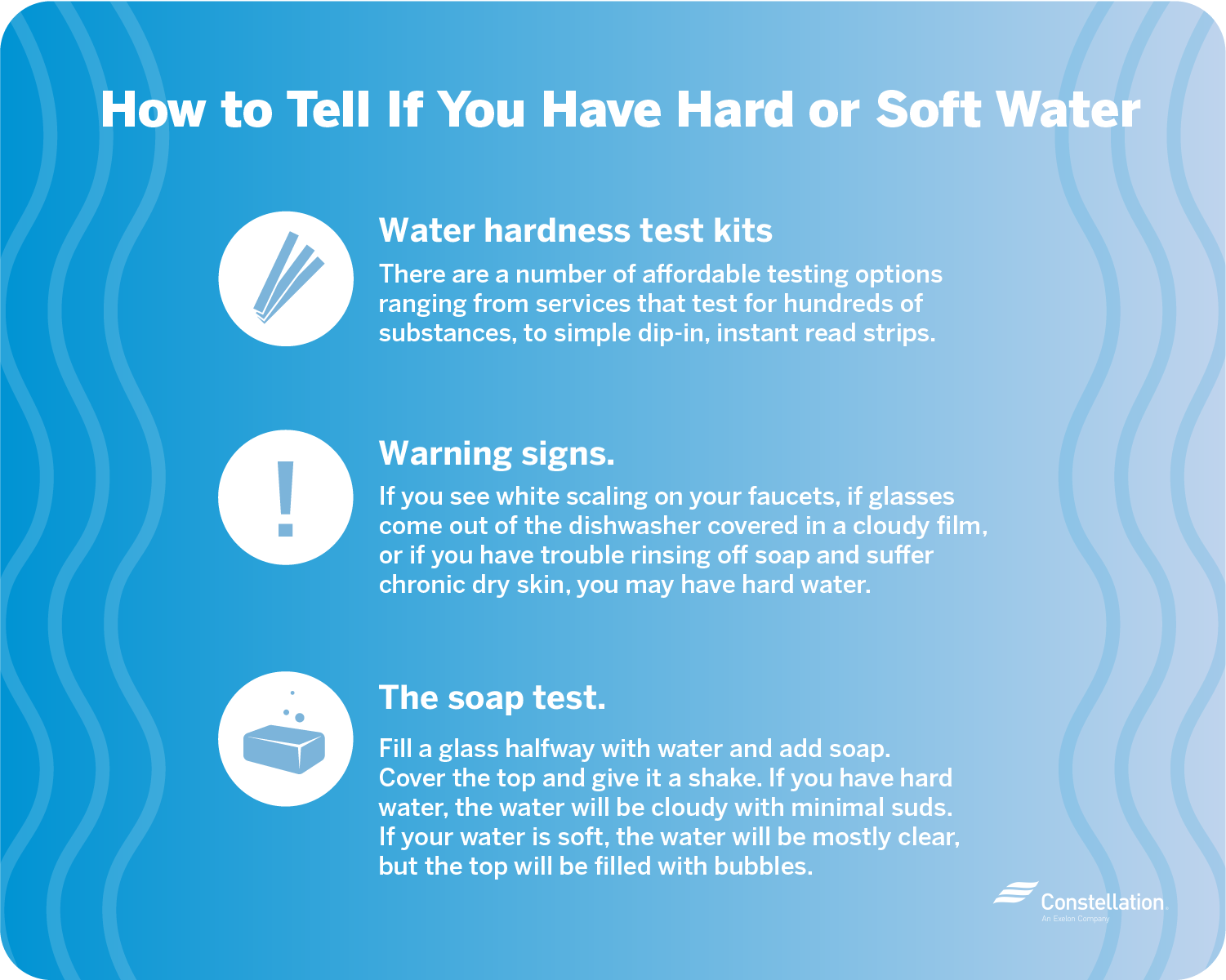
Pour a little liquid soap into a clear jar of tap water. Shake it like a Polaroid picture. Lots of suds that stick around? That’s soft water, my friend. Poor, sad suds that fizzle out, leaving cloudy water? You’ve got hard water. It’s like a party where some guests just won’t dance.
Here’s another clue: your skin and hair. If you step out of the shower feeling like you just rubbed sandpaper over your legs, that’s hard water stripping away your oils. Soft water leaves your skin sighing with relief—and your hair might actually hold its shape without a gallon of product. Notice a difference? You’re already an expert.
The “Kettle Whisperer” Trick
Boil water in a clear glass pot. See a floating white film or crust? Congratulations—hard water has entered the chat. If the water stays crystal clear and leaves no residue, you’re likely living the soft water life. Bonus: This test works for tea lovers who are tired of cloudy brew.
 Hard Water vs Soft Water: Key Differences, Effects & Best Home
Your washing machine is also a snitch. Hard water makes laundry feel stiff and look dingy, even after a fresh cycle. Soft water makes your towels fluffy and your socks smell like sunshine. Seriously, run a load and feel the texture—your fingers will know.
Why This Matters for Your Daily Fun
Hard water isn’t evil—it’s just a bit clingy. It can dry out your skin, fade your clothes, and clog your showerhead. But here’s the fun part: once you know what you’re dealing with, you can hack it! For hard water, add a splash of vinegar to your wash or use a chelating shampoo. For soft water, embrace the silkiness and maybe dial back on soap.
Ever noticed how some households have spotless glasses while others get rainbow streaks? That’s your water’s personality. Spotty glasses = hard water. Glasses that gleam like diamonds? Soft water. You can literally see the difference in a toast.
 Why Is There Water In My Soft Water Tank at Jaclyn Glenn blog
The Uplifting Truth
Here’s the beautiful part: you already have the tools to be a water whisperer. You don’t need a PhD in chemistry—just a jar, some soap, and a little curiosity. Your water might be “hard” or “soft,” but both can be tamed with a smile and a simple trick. Life gets a bit more sparkly when you tune in to what’s flowing through your pipes.
So go ahead—shake that jar. Look at your kettle. Feel your hair after a shower. You’re now officially in on the secret. And the next time someone complains about soap scum, you can wink and say, “Oh, I know exactly what’s going on.” That kind of power? It makes even the chores feel like an adventure.
Go forth, test your water, and maybe treat yourself to a fancy bottle of filtered water just for kicks. Because knowing your water is loving your home—and yourself a little more. Cheers to that!
