How Long Does A Greenfield Filter Stay In

So, you’ve got a greenfield filter—maybe you call it an IVC filter—and you’re wondering, “How long does this little spiderweb of metal stay in my vein?” It’s a fair question,...
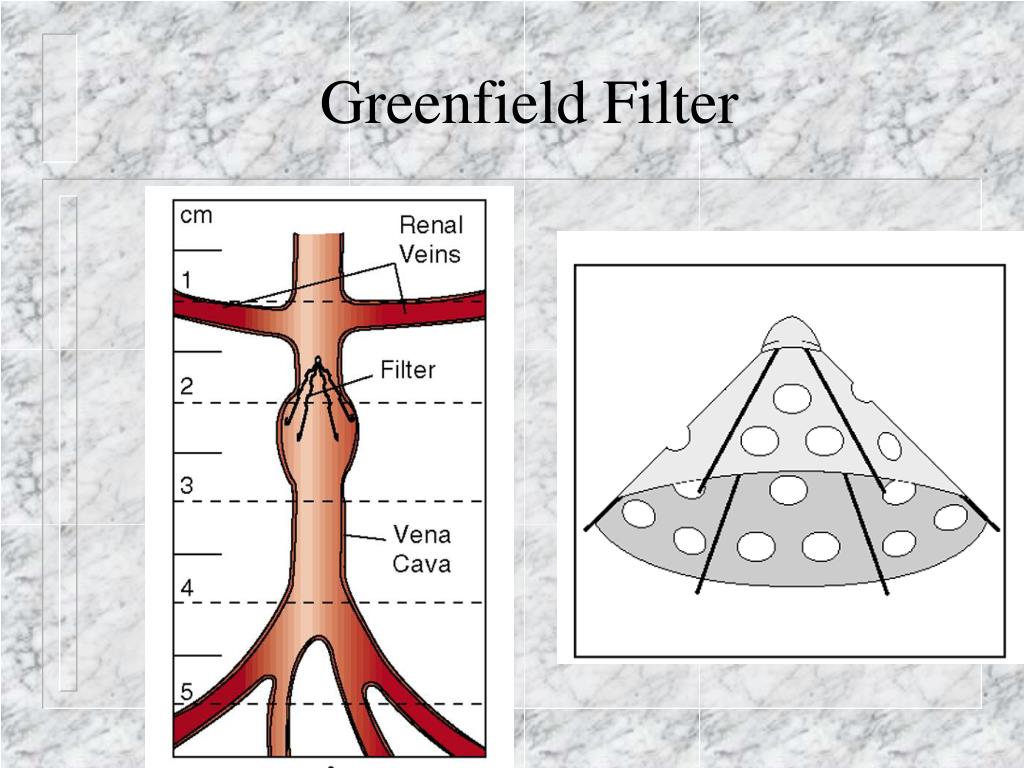
So, you’ve got a greenfield filter—maybe you call it an IVC filter—and you’re wondering, “How long does this little spiderweb of metal stay in my vein?” It’s a fair question, and honestly, it’s not as simple as a “set it and forget it” kitchen gadget. But don’t worry, we’re going to untangle this together, one laugh at a time.
The Short Answer (Because Who Doesn’t Love a Spoiler?)
The truth is, it depends—which is doctor-speak for, “We’ll figure it out as we go.” Most greenfield filters are designed to be permanent, meaning they can stay in your body for years, or even forever. But there’s a catch: some are retrievable, and your doctor might want to yank it out when the danger has passed.
Think of it like a guest at a party. If the guest is a filter, it’s there to stop blood clots from crashing the lung party. You only kick it out when the clot risk is over—or if it starts being a really annoying guest.
Must Read
Permanent vs. Retrievable: The Great Filter Debate
Permanent filters are like that old couch you keep because moving it would be a nightmare. They stay put for life, quietly doing their job. Studies show they can remain safely in place for decades without causing trouble for most people.
Retrievable filters, on the other hand, are like a rental car. You’re meant to return them once you’re done. Doctors usually aim to remove them within a few weeks to a few months, but sometimes life gets busy—and they end up staying for a year or more. Yes, even filters procrastinate.
Here’s the kicker: once a retrievable filter has been in for more than a year, it can get tricky to remove. Tissue can grow around it like ivy on a fence. That’s why your doctor will nag you (lovingly) about follow-up appointments.
What Affects How Long It Stays?
Your filter’s retirement plan depends on a few things: why you got it, your health, and your body’s mood. If you had a blood clot after surgery or an injury, the filter might only be a temporary bodyguard. If you have a chronic clotting disorder, it’s more of a permanent bouncer.
Another big factor is your vein’s anatomy. Some people’s veins are twisty like a rollercoaster, making removal a puzzle. Others have straight, easy-going veins—the kind that say, “Sure, come on in and out.”
 Greenfield Water Solutions Undersink Filter System Install Guide - YouTube
Also, your age matters—not in a rude way, but in a “younger veins are more flexible” way. A filter in a 30-year-old might be removed sooner than one in a 70-year-old, simply because the doctor wants to avoid future risks.
The “Oops, We Forgot” Scenario
Believe it or not, some filters get left in because everyone forgets about them. You’re busy, your doctor is busy, and the filter is just chilling. The FDA actually recommends removing retrievable filters as soon as the clot risk is gone—preferably between 29 and 54 days. But in real life, that timeline gets stretched like week-old pizza.
If your filter has been in for years, don’t panic. Many people walk around with them for a decade or longer without issues. It’s like that weird keychain you never use—annoying, but harmless.
Can You Live a Normal Life?
Yes, absolutely! Most people with a greenfield filter live full, active lives. You can run, jump, dance, and even do yoga (though maybe skip the headstands). The filter is a tiny ninja, staying quiet in your vein while you conquer the world.
Just keep an eye out for unusual symptoms: leg swelling, back pain, or sudden shortness of breath. That’s your filter’s way of saying, “Hey, I need a tune-up.” But for the vast majority, the filter is a silent hero.
 Greenfield Ivc Filter Mri Safety – LPLFNC
When Does It Come Out?
If your filter is retrievable, the removal is a quick procedure—like a 10-minute nap with a tiny catheter. You’re usually home the same day, eating tacos and marveling at modern medicine. Seriously, it’s that simple.
For permanent filters, there’s no removal party. You just live your life, and your doctor checks on it every few years with an x-ray or CT scan. It’s like having a tiny, metallic pet that never needs feeding.
The Bottom Line (With a Sprinkle of Humor)
So, how long does a greenfield filter stay in? The answer is: as long as it needs to. It could be 6 weeks, 6 months, or 60 years. Your body and your doctor will decide together, like a quirky reality show vote.
And here’s the uplifting twist: you’re not alone. Millions of people have these filters, and they’re living their best lives—hiking mountains, baking sourdough, and probably forgetting they even have one. Your filter is a tiny guardian angel made of metal, doing a job you never have to think about.
So wear your filter with pride. If anyone asks, tell them it’s a limited-edition medical accessory. And remember, whether it stays in for a week or a lifetime, it’s there to protect you—so you can focus on the important stuff, like eating cake and laughing at bad puns. You’ve got this.
