Where Does A Water Softener Get Installed

So, you've finally decided to tame the mineral monster living in your pipes. You’ve done the research, picked out a water softener, and now you’re staring at your utility clos...
:max_bytes(150000):strip_icc()/installing-a-water-softener-2718669-FINAL-1-ee8de137dcf84b5db1e28f84a7dec11b.png)
So, you've finally decided to tame the mineral monster living in your pipes. You’ve done the research, picked out a water softener, and now you’re staring at your utility closet like it’s a crime scene. The big question hangs in the air: where does this thing even go? It’s not like you can just plop it next to the sofa and call it a day, right? Believe me, finding the right spot is half the battle—kind of like trying to fit a giant avocado into a lunchbox already stuffed with a sandwich.
The Classic Garage or Utility Room Setup
For most of us, the water softener ends up in the garage or the basement utility room. Think of it as the shy cousin who prefers to hang out with the water heater and the furnace. They have their own little club down there. If your house has a concrete floor and a drain nearby, you’ve hit the jackpot. It’s the equivalent of a five-star hotel for a softener—no carpet to ruin if a hose pops off, and plenty of breathing room.
I once helped a buddy install his, and we spent twenty minutes just staring at the space between the washer and dryer. It was like watching two tectonic plates deciding where to put a new mountain. Eventually, we squeezed it in, and now every time he does laundry, the machine high-fives the softener. Cozy, but functional.
Must Read
Under the Kitchen Sink: The Tiny House Option
Now, if you live in an apartment or a house without a basement, don’t panic. You can install a point-of-use softener under the kitchen sink. This is the apartment-dweller’s dream—like having a personal mini-bar, but for water. It handles the tap you use for drinking and washing dishes, leaving the rest of the house to fend for itself. Just be prepared: your under-sink cabinet will become a game of Tetris. You’ll be moving the dish soap and the trash can like you’re solving a Rubik’s cube.
I know a guy who put his under there, and now he has to do a little dance every time he needs to grab a sponge. He calls it the "Softener Shuffle." Worth it for silky hair, though. Just make sure you have an electrical outlet nearby, because these things need a little juice to regenerate.
Outside the House: The No-Space Hail Mary
If you live in a warm climate and your indoor space is tighter than a parking spot at a Costco, you might go outdoors. Yes, you can install a water softener outside, next to the outdoor spigot or the A/C unit. It’s like giving your water treatment a sunroof. But here’s the catch: weather is a bully. If you live somewhere that freezes, your softener will turn into a block of ice sculpture of regret. You’ll be chiseling salt out of a pickle.
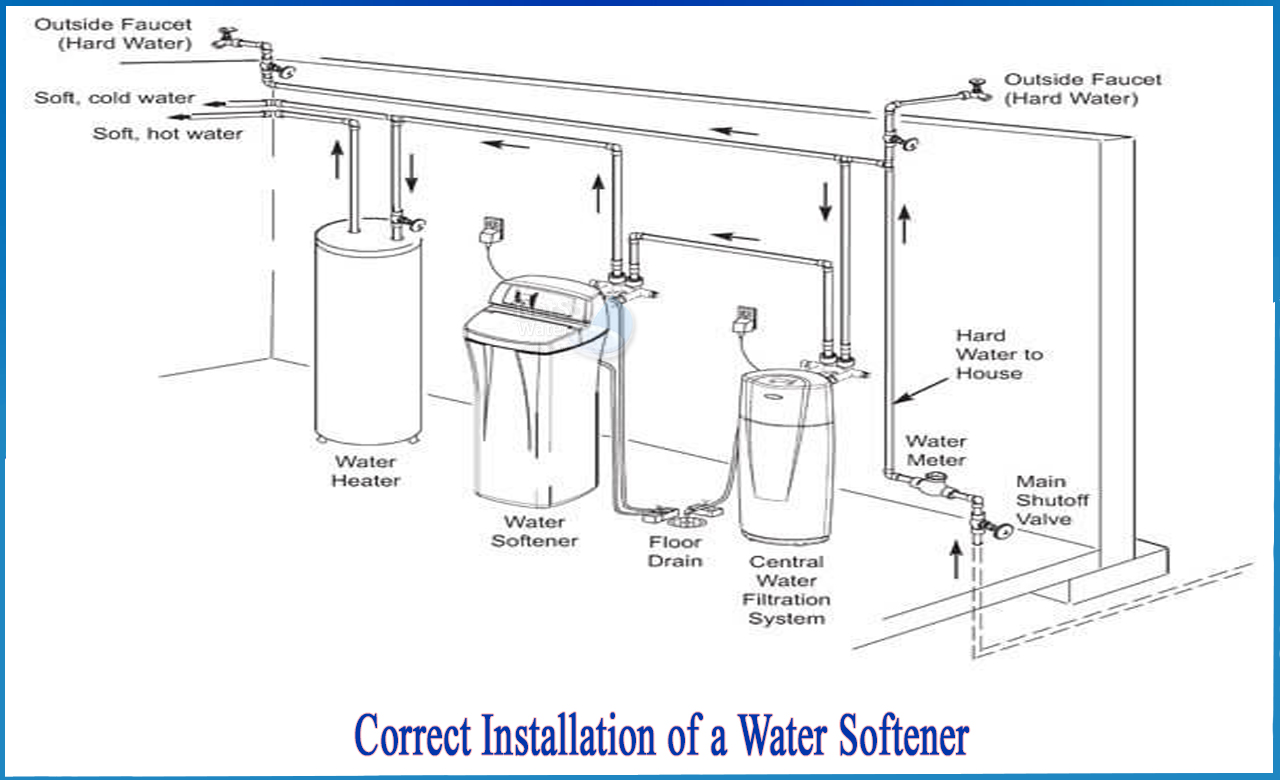 Water Softener Installation Diagram Ao Smith Water Softener
A neighbor tried this—lovely man, terrible plumber. He put it behind the shed, and the raccoons partied on the salt tank all summer. They left little footprints and chewed-up tubing. Now he keeps it in the crawlspace, which is its own brand of awkward. But hey, the water is soft, and the raccoons are salty.
The Crawlspace: The Underground Hideout
For folks with a crawlspace, this is another common spot. It’s like the softener is living in a secret bunker, plotting how to make your showers feel like a spa. Pro tip: Make sure it’s accessible. You don’t want to be belly-crawling through spiderwebs at 2 a.m. because a hose popped off. You’ll look like a character from a horror movie, holding a flashlight in your teeth.
My cousin did this, and he keeps a little stool and a bucket near the crawlspace hatch. He calls it his "water softening station." Every month, he slides in, adds salt, and slides out. It’s an extreme sport, but the remarkable softness of his towels keeps him motivated.
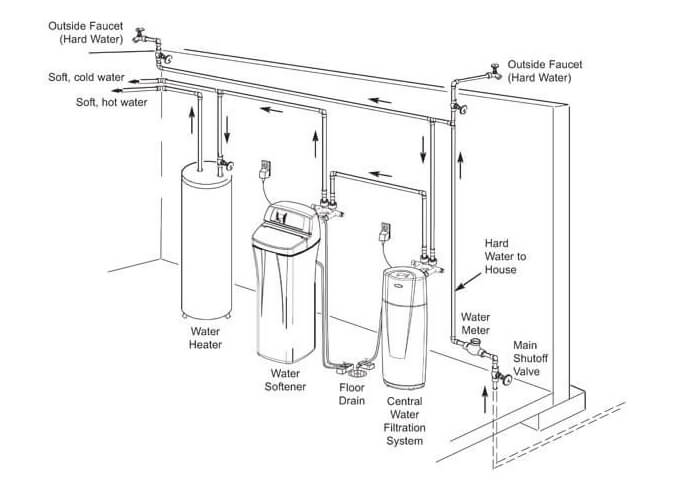 How to Install a Water Softener | Whirlpool
Wherever You Put It, Respect the Drain
No matter the location, the softener’s worst enemy is gravity. It needs a drain to send away that nasty brine after it cleans itself. If you put it on a different floor level than a floor drain, you’re asking for a siphon problem. It’s like having a full bathtub and no drain plug—it’s going to get ugly.
Think of the drain as the softener’s escape route. If it’s blocked or too high, it’ll just pout and overflow. Always plan for a nearby standpipe, sink, or floor drain. I once saw a setup where the guy ran the drain hose into his washing machine’s standpipe. Clever? Yes. Dangerous? A little. But it worked, and now they’re best friends.
So, to sum it up: your water softener can go in the garage, basement, under the sink, outside, or even in a crawlspace. It’s a nomad that just wants to help. The key is keeping it close to your main water line, a drain, and not in the middle of your living room dance floor. Pick your spot, and soon you’ll be scrubbing soap off your squeaky-clean skin, wondering why you didn’t do this years ago.
:max_bytes(150000):strip_icc()/installing-a-water-softener-2718669-FINAL-1-ee8de137dcf84b5db1e28f84a7dec11b.png&description=Where+Does+A+Water+Softener+Get+Installed)