How Much Of The World's Water Is Polluted

You know that feeling when you turn on the tap and expect a cool, clear glass of water, but instead you get a rusty-brown trickle that smells like a wet dog? Yeah, us too. Tha...
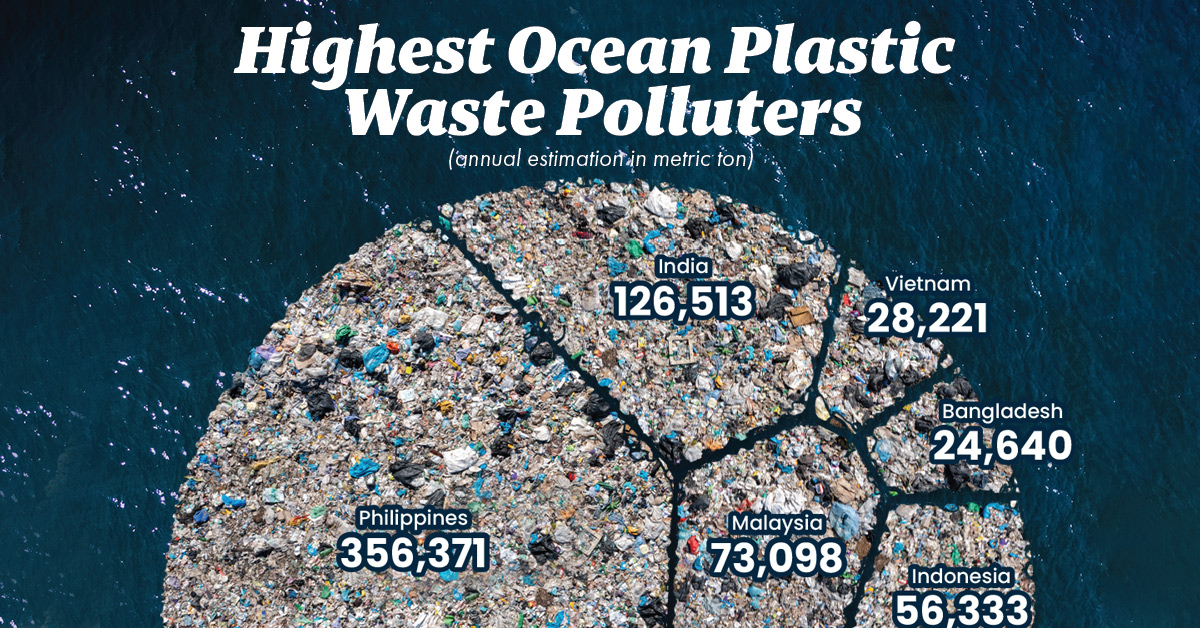
You know that feeling when you turn on the tap and expect a cool, clear glass of water, but instead you get a rusty-brown trickle that smells like a wet dog? Yeah, us too. That little moment of panic is probably the closest most of us come to thinking about water pollution on a daily basis. But the truth is, the world’s water supply is having a much worse day than your kitchen faucet.
Let’s get the scary number out of the way
According to the United Nations and a bunch of scientists who actually measure this stuff, about 80% of the world’s wastewater flows back into the environment without being treated. Imagine you take a bath, then dump that soapy, grimy water directly into your backyard pool. Now multiply that by every factory, farm, and bathroom on the planet. That’s basically what we’re doing to rivers, lakes, and oceans.
But wait, there’s more. When we talk about “polluted water,” we’re not just talking about the gross stuff you can see, like plastic bags floating in a canal or a dead fish doing a belly-up. We’re talking about invisible nasties: pesticides from farms, heavy metals from factories, and even the microplastics from your fancy face wash. It’s like a chemical soup no one ordered.
Must Read
The pipe under the sink has better manners
Think about your own house. You have a drain for poop, a drain for food scraps, and a drain for that weird liquid that leaked from the fridge. You don’t mix them all up and pour them into the garden, right? Well, globally, we do that on a massive scale. In many developing countries, raw sewage goes straight into the same river people use for drinking, bathing, and washing clothes. It’s like sharing a toothbrush with a stranger, but a thousand times grosser.
And it’s not just a “poor country” problem. Even in rich nations, stormwater runoff picks up dog poop, lawn chemicals, and road salt, then dumps it all into local creeks. Next time you see a “Do Not Swim” sign at the beach, remember: that’s because your neighborhood probably had a big rain last week.
 Around The World - WATER POLLUTION (OIL SPILLS)
Why you should care (beyond your morning shower)
Here’s where it gets personal. That burger you ate for lunch? It took about 1,800 gallons of water to produce. That cotton t-shirt you’re wearing? 700 gallons. And a huge chunk of that water comes from sources that are already polluted. So when the water is dirty, your food gets dirtier, your clothes get shoddier, and your doctor bills get bigger. It’s an all-you-can-eat buffet of bad consequences.
But don’t panic just yet. The good news is that you have superpowers. Seriously. Every time you refuse a plastic straw, buy organic produce, or fix a leaky faucet, you’re sending a tiny signal to the water gods. It’s not much, but it’s better than standing there with your hands in your pockets.
A little story about a fish and a farmer
Last summer, my buddy Tom went fishing in a river that his grandpa used to call “crystal clear.” Tom came back with a photo of a fish that had three eyes. Okay, I’m exaggerating—it had two eyes, but the water was so brown you couldn’t see the bottom. Tom said, “I swear, it looked like someone brewed iced tea in the river.” That’s the reality for millions of farmers, fishermen, and families who have no choice but to use that “iced tea.”
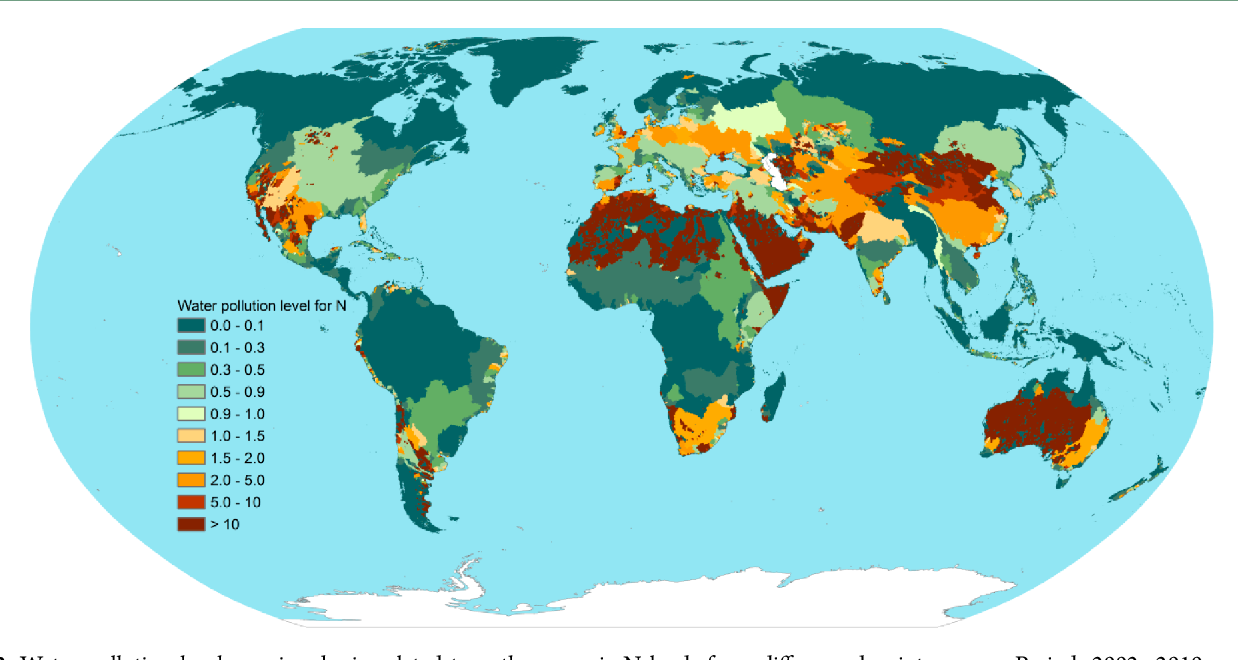 Water Pollution Graphs
And here’s the kicker: we keep making more pollution every single day. Every time you flush a pill down the toilet (don’t do that), or wash a car in the driveway, or use a fertilizer bomb on your lawn, you’re adding to the 80% statistic. We’re like a kid who keeps drawing on the wall and then yells at the wall for being dirty.
The good news: it’s not a lost cause
Okay, deep breath. The world’s water isn’t all a slimy mess. Only about 2.5% of Earth’s water is fresh, and of that, less than 1% is accessible (the rest is frozen in glaciers or deep underground). So when we pollute that tiny sliver, yes, it’s a big deal. But it’s also a fixable problem. Countries like Singapore and Israel already recycle almost all their wastewater. They even drink it. (No, it doesn’t taste like toilet.)
So next time you gulp a glass of tap water, pause for a second. Thank the water treatment plant, the rivers you’ve never seen, and the farmers who didn’t over-spray. And maybe, just maybe, think twice before you pour that half-empty bottle of motor oil down the drain. Because if we all stop treating the world’s water like a giant garbage can, we might just save ourselves a very thirsty future. And a three-eyed fish.
