What Is The Correct Ph For Drinking Water

Let’s be honest for a second. Most of us wake up, stumble to the kitchen, and chug whatever comes out of the tap without a second thought. We trust the invisible delivery syst...

Let’s be honest for a second. Most of us wake up, stumble to the kitchen, and chug whatever comes out of the tap without a second thought. We trust the invisible delivery system. Then, one day, a friend with a reusable bottle that costs more than your dinner mentions “pH balance,” and suddenly you’re staring at your glass of water like it’s a chemistry exam you didn’t study for.
You start wondering: is my water too angry? Too sad? What is the correct pH for drinking water, anyway? Does my tap water secretly hate me? Spoiler alert: it probably doesn’t, but let’s break down the numbers without needing a lab coat.
The pH scale is basically a personality test for water
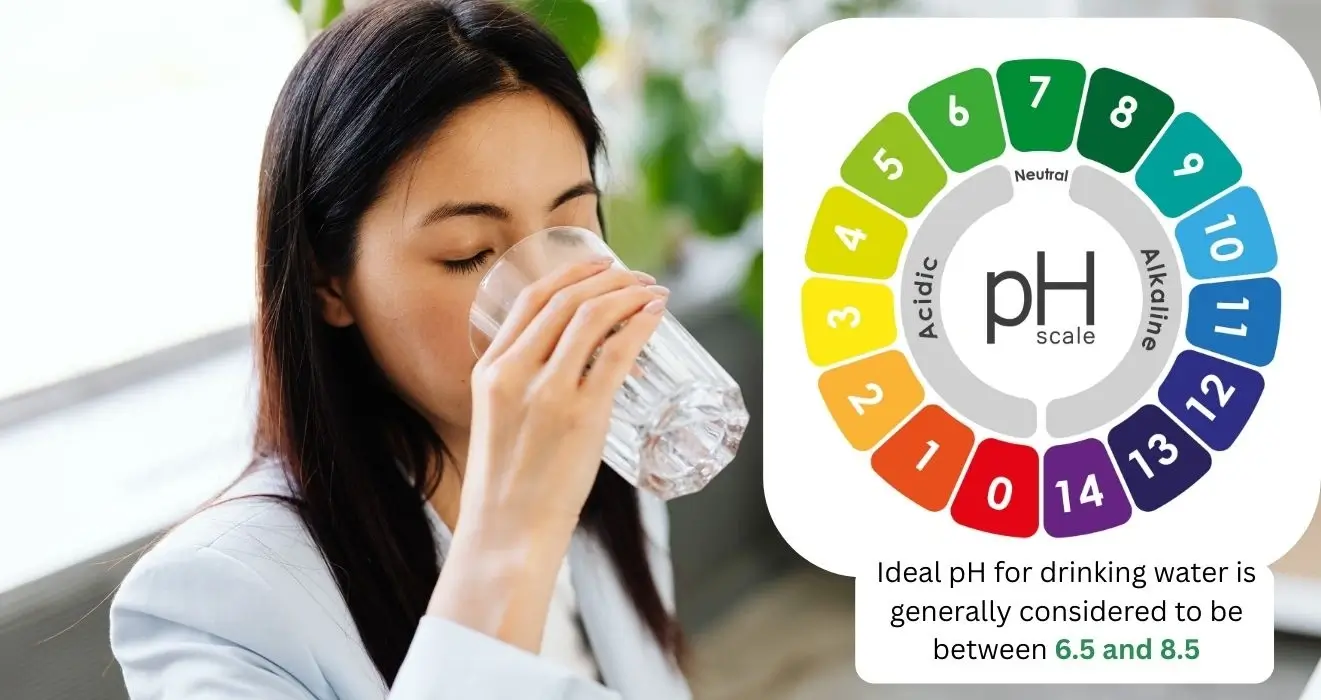
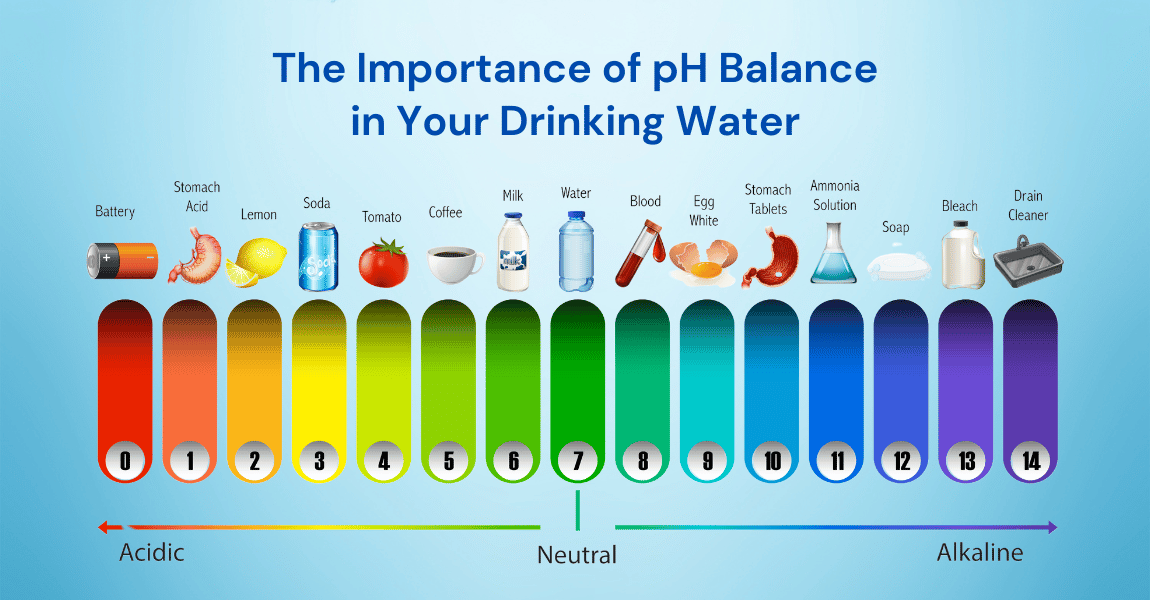
Imagine the pH scale runs from zero to fourteen. Zero is battery acid—the kind of stuff that would melt your car keys if you dropped them in. Fourteen is drain cleaner, which is equally unfriendly to your insides. Right in the middle, at seven, is pure, neutral water.
Must Read
So, the generally accepted “correct” pH for drinking water is somewhere between 6.5 and 8.5. That’s the sweet spot, the Goldilocks zone. It’s not too acidic to make you wince, and not too alkaline to taste like chalky medicine. Think of it as the “room temperature” of liquids—boring, but safe.
Your body is a magnificent, grumpy machine. It hates sudden changes. Your stomach acid is a raging beast around pH 1.5 to 3.5, designed to dissolve a burrito in an hour. So a sip of tap water at pH 7? That’s a gentle breeze compared to the hurricane inside you.
Why you shouldn’t fall for the “alkaline hype”
Walk into any fancy grocery store, and you’ll see bottles of “alkaline water” priced like they were bottled by mermaids. They claim pH 8.8 or 9.5 will “balance your body” and chase away stress. That sounds nice, like a spa day for your cells. But here’s the kicker: your body already balances itself without your help.
Drinking slightly alkaline water is like hiring a janitor to sweep a floor that’s already clean. It’s not bad, but it’s a bit unnecessary. Your lungs and kidneys are the real VIPs here—they work 24/7 to keep your blood at a very strict pH of about 7.4. You can’t override them with a nine-dollar bottle of water. Sorry, mermaids.
 pH of Drinking Water Explained: Ideal Levels & Health Impact
The truth is, most tap water is perfectly fine. Unless you live in a house with ancient, rusty pipes or your water tastes like a melted penny, you’re probably in the safe zone. That metallic taste? That’s low pH (acidic) water pulling metal from your pipes, which is a plumbing problem, not a health crisis.
How to know if your water pH is way off
You don’t need a chemistry set to tell. Your tongue is a pretty good detective. If your water makes you pucker, like you bit into a lemon, it’s acidic. If it tastes “bitter” or “soapy,” like you accidentally drank dishwater, it’s alkaline or high in minerals.
Another sign? Your water spots. You know those white, crusty rings on your coffee pot? That’s calcium, which usually means your water is on the alkaline side (hard water). Reddish stains in your toilet mean low pH (acidic) water is eating your pipes. Your plumbing is basically giving you a pH report every time you flush.
Honestly, you’d have to drink something wildly out of whack to cause real trouble. Water that’s too acidic (below 6.5) can corrode metal and leach lead or copper. Water that’s too alkaline (above 8.5) can taste funky and maybe give you a tummy ache if you down gallons of it. But your body will usually just nope out and make you feel bloated or gassy.
 Discover the Importance of pH Balance in Drinking Water for Health
The real “correct” pH for your everyday life
Here’s the practical takeaway: if your water tastes good and doesn’t make your stomach dance the rumba, the pH is correct enough. You are not a fish in a tank. You don’t need to measure the drops of acid and base in your drinking glass.
Focus on the stuff that actually matters: cleanliness. Is your water filtered for chlorine, bacteria, and lead? That’s a thousand times more important than whether it’s 7.0 or 7.5. A pH of 7.0 is pure and boring. A pH of 7.0 but full of microplastics is like a perfectly dressed sandwich that’s gone moldy.
So go ahead. Drink your tap water. Drink your store-bought spring water. Or, if you really want to be fancy, buy that alkaline bottle once, feel very sophisticated, and then realize it tastes exactly like the filtered water from your fridge. Your body will thank you by not complaining, which is the highest praise your organs can give.
In the end, the correct pH for drinking water is the one that makes you want to drink more water. That’s it. That’s the secret. Now go hydrate, you magnificent pH-balanced human.
