What Is The Difference In Distilled Water

Let’s talk about distilled water. It’s the overachiever of the water world. It’s not just water—it’s water that went to finishing school. So, What’s the Big Deal? Regular wat...
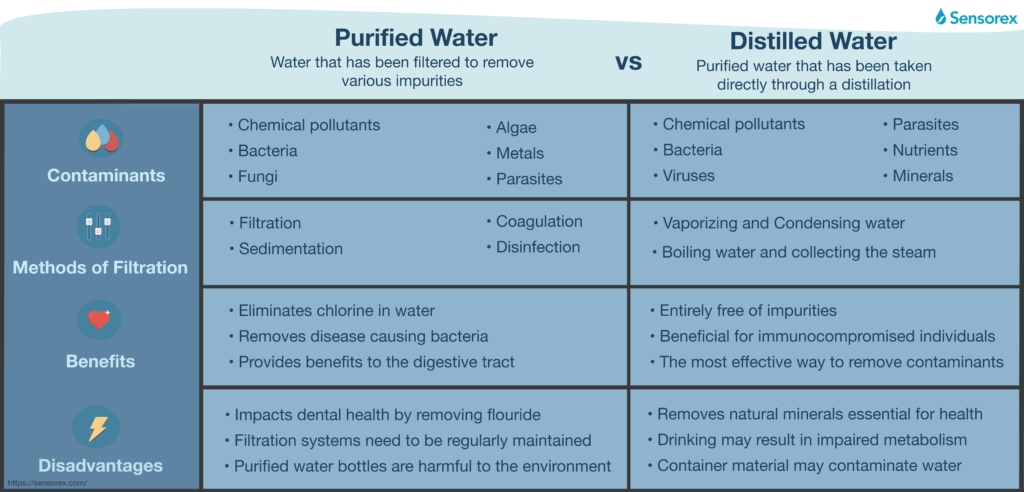
Let’s talk about distilled water. It’s the overachiever of the water world. It’s not just water—it’s water that went to finishing school.
So, What’s the Big Deal?
Regular water is a social butterfly. It hangs out with minerals, salts, and even tiny bacteria. Distilled water? It’s a loner on purpose.
We make it by boiling water into steam, then cooling that steam back into liquid. All those extra guests—calcium, chlorine, fluoride—get left behind. You’re left with pure H₂O.
Must Read
It’s Basically Water’s Empty Canvas
Think of tap water as a loaded pizza. Distilled water is just the dough. It’s clean—almost eerily so.
Distilled water has no taste. Some people call it flat or “dead.” But that’s because your tongue expects a little mineral zing. Pure water is a blank slate for your senses.
Why Should You Care? (Quirky Facts Inside)
Here’s a funny detail: distilled water can steal minerals from your body. Okay, not steal—it’s more like a thirsty sponge. Because it’s so pure, it pulls minerals from whatever it touches.
Drink too much, and it might leach electrolytes from your cells. Don’t panic—you’d have to chug gallons to feel it. But it’s a cool science party trick.
Another weirdo fact: distilled water is a terrible conductor of electricity. Pure water doesn’t carry a charge. Throw a pinch of salt in, and boom—it’s a circuit.
Where It Shines (and Where It Fails)
Your iron? Use distilled water. That steamer for your clothes? Distilled only. Tap water leaves crusty white deposits like a bad Instagram filter.
 How to Fill a Humidifier: Quick Steps
Car batteries love distilled water. It prevents mineral buildup inside the battery. Your car’s thirst is high-maintenance.
But for drinking? Most experts say skip it. Your body needs those minerals. Distilled water is like a friend who only talks about themselves—boring and slightly annoying.
The Great Taste Test
Try this at home: sip tap water, then sip distilled. Tap water tastes crunchy (in a good way). Distilled water tastes like nothing—literally.
Some people describe it as “wet air.” It’s so neutral, it feels odd. Your mouth thinks, “Wait, is this a prank?”
A Funny Health Debate
There’s a cult-ish belief that distilled water is a miracle detox. Some say it washes away toxins. The science says: your kidneys do that just fine.
Drinking only distilled water long-term? That’s like wearing a raincoat indoors—technically harmless, but utterly pointless. Your body prefers a little mineral company.
Distilled vs. Filtered vs. Spring
Distilled is the strict librarian. Filtered is the friend who picks out the raisins from the cookie dough. Spring water is the wild child—straight from a mountain with all its natural baggage.
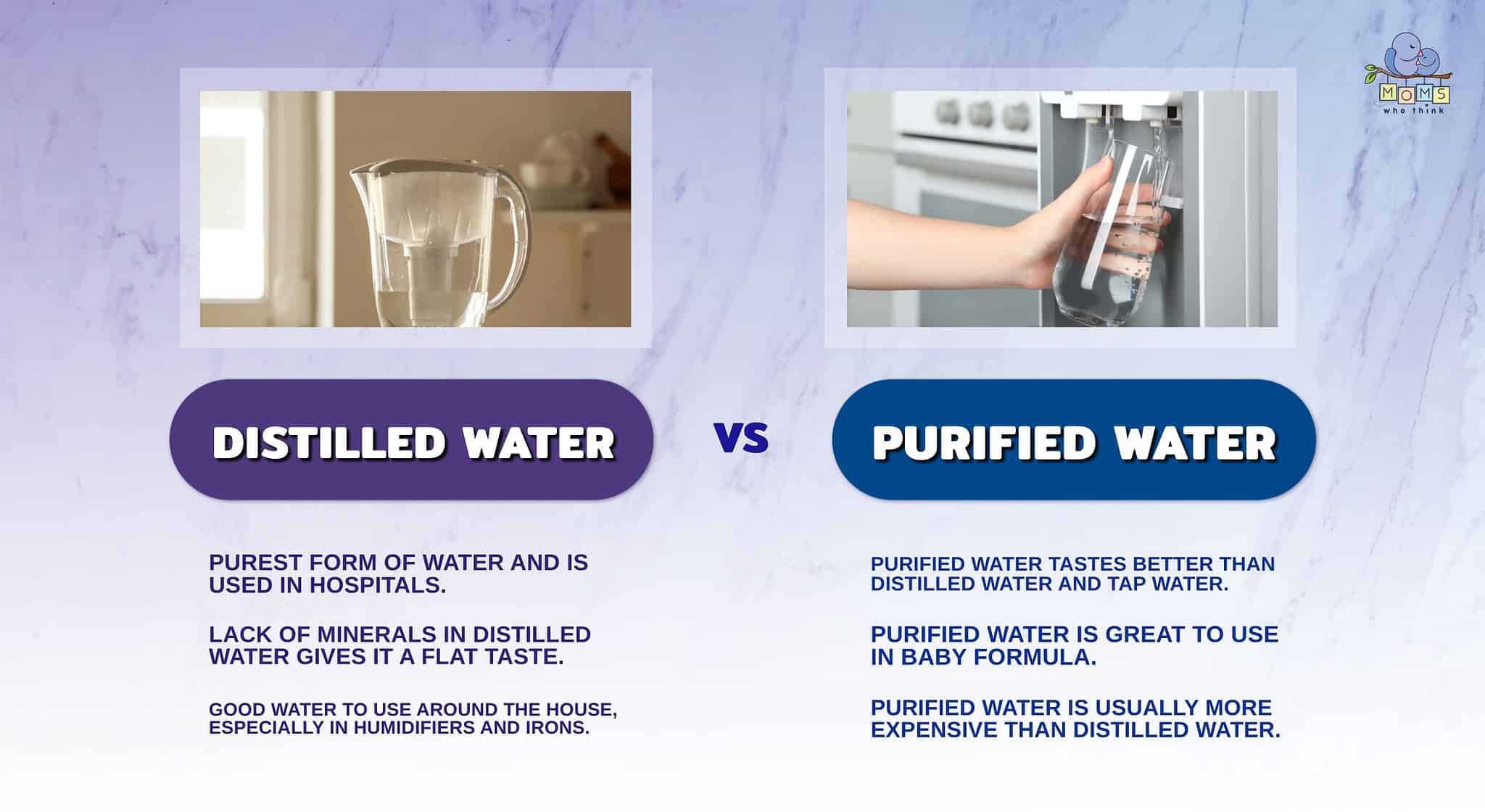 Distilled vs. Purified Water: 4 Differences & Health Benefits
Spring water has character. Distilled water is water with amnesia. It forgot where it came from.
Quirky Everyday Uses
Use distilled water for your fish tank. Fish are drama queens about chemicals. One hint of chlorine, and they’ll float belly-up.
Your humidifier? Distilled water prevents white dust from puffing into your lungs. Your room stays clean and steamy—like a spa for introverts.
Even your plants can be picky. Some orchids prefer distilled water because they hate mineral buildup. They’re the divas of the plant world.
The Bottom Line—Is It Worth It?
Distilled water is a specialty tool, not a lifestyle. It’s perfect for appliances, lab experiments, and keeping your espresso machine from getting crusty. For drinking? It’s a meh at best.
But here’s the fun part: you now know a quirky secret about water. Next time someone offers you distilled water, you can say, “Oh, the loner water?” and watch them stare.
It’s a conversation starter. And isn’t that worth a sip of almost-nothing?
