How To Remove Nitrate From Drinking Water

So the other day, my buddy Mike takes a sip from his tap, makes a face like he just bit into a lemon, and goes, “Dude, my water tastes like a swimming pool.” I laughed, but th...

So the other day, my buddy Mike takes a sip from his tap, makes a face like he just bit into a lemon, and goes, “Dude, my water tastes like a swimming pool.” I laughed, but then I remembered he’d just installed a new well. Turns out, his “swimming pool” vibe was actually nitrate contamination—a sneaky, tasteless villain that can wreck your health if you ignore it. And that’s when I dove headfirst into the messy, fascinating world of how to kick nitrates out of your drinking water.
First off, let’s get one thing straight: nitrates aren’t always the bad guy. They’re natural in soil and plants—think of them as fertilizer’s overeager cousin. But when they seep into groundwater from farms, septic tanks, or even your lawn’s “miracle grow,” they can spike to dangerous levels. Your water might look crystal clear, but inside it’s a chemistry experiment gone rogue. And trust me, you don’t want to be the guinea pig—nitrates can mess with your blood’s oxygen flow, especially for babies and pregnant folks.
The First Line of Defense: Know Your Enemy
Before you spend a dime on fancy gadgets, test your water. Seriously, don’t skip this. You can grab a home test kit at any hardware store for like $20, or send a sample to a lab for real accuracy. I did it myself and discovered my tap had 15 ppm—just above the EPA limit of 10 ppm. (Spoiler: I wasn’t thrilled.) Knowing your baseline is step one; it tells you if you need a simple filter or a full-on water-treatment battle station.
Must Read
If your levels are low—say, under 10 ppm—you might get away with carbon filters. Yeah, the same ones you use for bad taste or chlorine. But here’s the kicker: carbon filters barely touch nitrates. They’re like bringing a squirt gun to a wildfire. So don’t get fooled by a sleek pitcher; check the spec sheet for “nitrate reduction.” If it’s not listed, you’re just drinking expensive tap water with a side of false hope.
Reverse Osmosis: The Heavy Lifter
Okay, this is the gold standard, folks. Reverse osmosis (RO) systems force water through a semi-permeable membrane that literally shoves nitrates out. Imagine a bouncer at a club who only lets water molecules in—everything else, including nitrates, gets kicked to the curb. I installed an under-sink RO unit for around $200, and my nitrate levels dropped from 15 ppm to undetectable. Plus, it made my coffee taste dangerously good.
But let’s be real—RO isn’t perfect. It wastes about three to four gallons of water for every one it purifies. (Yeah, I know, the irony of wasting water to clean water is painful.) Also, it strips out healthy minerals like calcium and magnesium, so you might need a remineralization filter if you’re picky. Still, for stubborn nitrate problems, nothing beats it. Just remember to change the membrane every two to three years, or your bouncer gets lazy.
 Do Skimmers Remove Nitrates at Megan Gerow blog
Ion Exchange: The Chemical Ninja
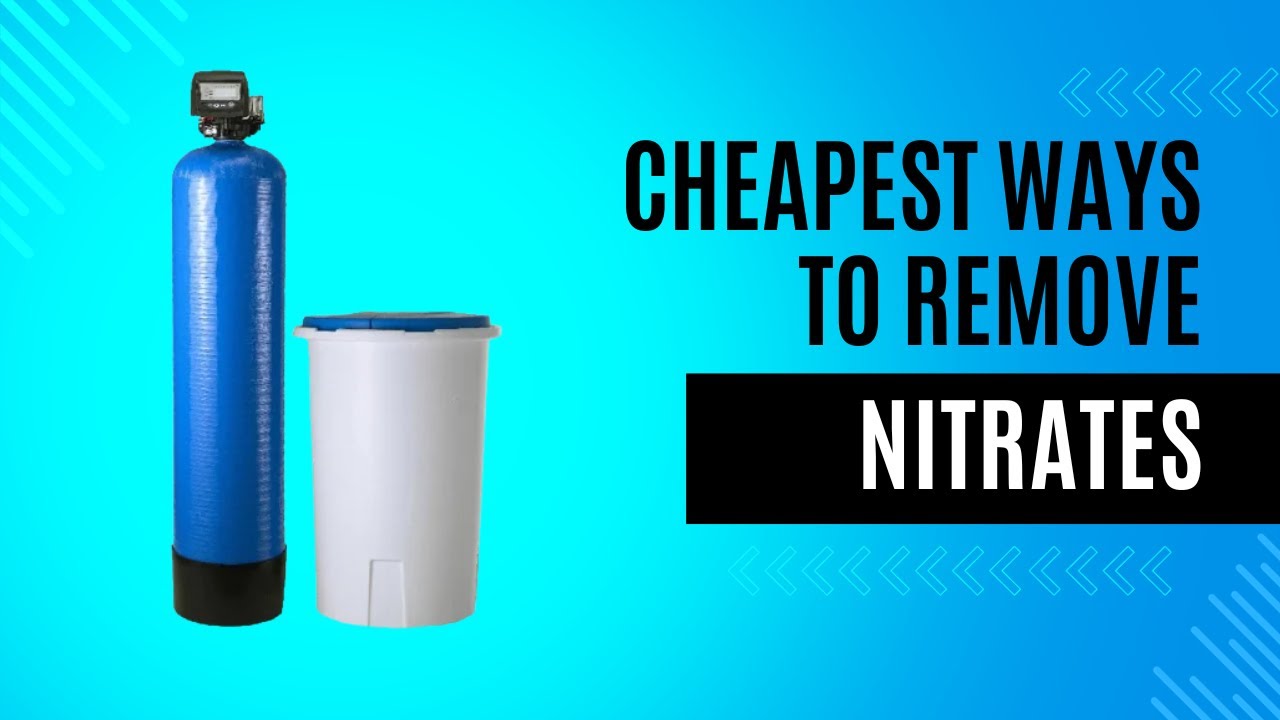
Ever heard of water softeners? Ion exchange works similarly but targets nitrates instead of hardness. It uses resin beads that swap nitrates for harmless chloride ions—think of it as a covert trade deal. This method is fast and efficient, often used in whole-house systems. I tried a countertop ion exchange filter once; it dropped my nitrates by 80% in about ten minutes. Not bad for a gadget that looks like a futuristic water bottle.
Downside? The resin needs periodic regeneration with salt (more work, more salt). And if your water has high sulfate, the system might get confused and prioritize sulfates over nitrates. (Yes, filters have priorities—who knew?) It’s a solid option, but best for moderate contamination, not apocalyptic levels. If you’re a set-it-and-forget-it person, this might annoy you.
Distillation: The Old-School Boil-Off
Remember boiling water to make it safe? Distillation is that on steroids. You boil water, catch the steam, and let it condense, leaving nitrates and almost everything else behind. It’s like a scientific purist’s dream. A friend of mine uses a countertop distiller for her well water, and she swears the results are “crisper than a mountain stream.” I tried a glass of hers—it was flat. (Distilled water has zero minerals, so it tastes a bit like a blank stare.)
But here’s the catch: distillation is slow. A typical unit produces about a gallon every four hours. Also, it uses a ton of electricity. For emergency backup or a single person, it’s great. For a family of four? You’ll be chained to the kitchen, watching water drip like a sad reality show. Oh, and if you have volatile chemicals in your water, they can actually vaporize with the steam—so test for those, too.
 3 Ways to Remove Nitrates from Water - wikiHow Health
Don’t Forget the Simple Fixes
Sometimes the best solution is the dullest: bottled water. I know, I know—plastic guilt, cost, waste. But if your nitrate spike is temporary (like after heavy rain), buying jugs for a few weeks is cheaper than a whole treatment system. Check the label for “low nitrate” or “purified.” And please, please reuse those jugs for plant watering or something.
You can also reduce nitrates at the source. If your well is near a farm, move the manure pile. (Okay, easier said than done.) But even planting deep-rooted grasses around your well can absorb nitrates before they reach your aquifer. It’s like giving your lawn a job. Plus, it’s free—and my wallet approves.
A Final, Snarky Reality Check
Bottom line: boiling water does nothing for nitrates. In fact, it concentrates them as water evaporates. So if you’ve been boiling your tap thinking you’re being smart, you’re just making nitrate soup. (Sorry to burst that bubble.) Also, don’t rely on “fancy” filters from Instagram ads—most are for taste, not toxic removal. Stick with the proven big three: RO, ion exchange, or distillation.
Mike ended up going with a whole-house RO system. He still complains about the “wastewater guilt,” but he drinks his tap like a king now. Me? I’m sticking with my under-sink RO and a cheap test kit. Because nothing says “I’ve got my life together” like sipping water you know isn’t a chemistry risk. Now go test your water—your body will thank you. (And your coffee, too.)
