How To Determine If Water Is Hard Or Soft

So, you’re standing in your kitchen, staring at a glass of tap water, and you think, “Is this stuff hard or soft? And why should I care?” Well, pull up a chair, because we’re...
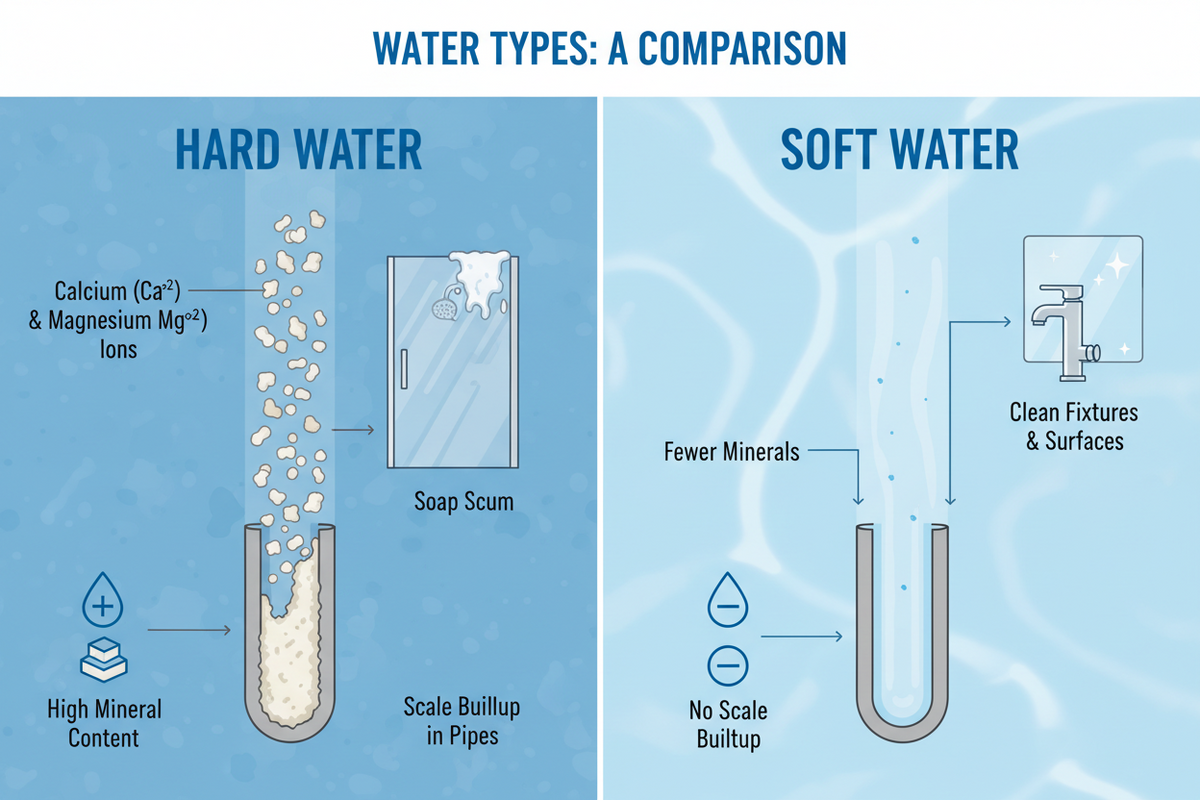
So, you’re standing in your kitchen, staring at a glass of tap water, and you think, “Is this stuff hard or soft? And why should I care?” Well, pull up a chair, because we’re about to turn you into a water-whisperer. Hard water isn’t water that lifts weights, and soft water isn’t water that cries during puppy commercials. It’s all about minerals—specifically, calcium and magnesium that hitched a ride from the ground into your glass.
The Soap Test: A Comedy of Bubbles
Here’s the easiest test, and it requires zero chemistry degree. Grab a clear bottle, fill it halfway with tap water, add a few drops of liquid soap, and shake it like you’re mixing a martini for a very angry boss. If you get a glorious mountain of fluffy bubbles, congratulations—you have soft water. But if you get a sad, scummy layer with cloudy water underneath? That’s hard water, and it’s laughing at your soap.
Hard water and soap are like a bad first date: they meet, but nothing good happens. The minerals in hard water grab the soap molecules before they can bubble, forming a gray sludge called “soap scum.” That’s the same gunk that makes your shower walls look like a haunted shower curtain. One pro tip: if you wash your hands and they feel sticky after rinsing, that’s hard water leaving mineral residue. Soft water leaves your hands feeling squeaky clean—almost suspiciously slippery.
Must Read
The Shower Curtain Conspiracy
Look at your bathroom fixtures. If they’re covered in white, crusty deposits that look like dandruff from a porcelain monster, you’ve got hard water. That’s limescale, and it’s like the water’s way of leaving chalky graffiti everywhere. Soft water doesn’t leave those marks—your shower door stays clear, and your pipes stay happy. Meanwhile, hard water is slowly turning your kettle into a stalactite cave.
Here’s a surprising fact: 90% of U.S. homes have hard water, according to the U.S. Geological Survey. That means millions of people are fighting a losing battle against white crust. If you’ve ever scrubbed a tea kettle and thought, “Why do I live in a limestone quarry?”—now you know.
The Laundry Drama
Wash a white towel in hard water, and you’ll notice it turns gray or stiff over time. That’s because mineral deposits cling to fabric, making it feel like sandpaper. Soft water keeps towels fluffy and bright, like a cloud that does laundry. Hard water also makes detergent less effective, so you use more soap for worse results. It’s the only time paying for extra doesn’t pay off.
 How To Tell If You Have Hard vs Soft Water: Differences Explained
Want a fun party trick? Fill a glass with hard water, add a few ice cubes, and watch. Hard water can make ice cubes look cloudy because dissolved minerals get trapped during freezing. Soft water ice? Clear as diamond. Yes, you can judge your neighbors’ water by their ice cubes. That’s the kind of power you now wield.
The Taste Test (Your Tongue Will Judge)
Pour a glass of tap water and taste it—don’t sip, really taste it. Hard water often has a distinct mineral flavor, sometimes described as “metallic” or “chalky.” It’s like drinking a rock’s autobiography. Soft water tends to taste neutral or even slightly salty (if it’s processed through a salt-based softener). Some people prefer the “zip” of hard water—they say soft water tastes flat. But if your water leaves a film on your tongue? That’s hard water saying, “You’re welcome.”
Fun fact: Very hard water can contain over 180 mg of calcium per liter. That’s about as much calcium as a glass of milk, minus the cow. So technically, you could call hard water a low-calorie dairy alternative. Don’t, though. People will look at you weird.
 Hard Water vs Soft Water: Key Differences, Effects & Best Home
The Dishwasher Horror Story
Run a glass through the dishwasher with hard water, and it often comes out with cloudy spots—like the glass has a case of chickenpox. That’s dried calcium deposits. Soft water leaves glasses spotless and gleaming. If your wine glasses look worse after washing than before, your water is guilty. Hard water also ruins dishwashers faster, as the heating elements get caked in limescale, leading to expensive repairs. Soft water? Your dishwasher will outlive your car.
One internet myth: some people claim you can test water hardness by leaving a drop of water on a mirror and seeing if it leaves a ring. That’s not reliable—your breath fogs things up. Stick to the soap shake test. It’s science, but science with bubbles.
The Final Word (Don’t Panic)
Hard water isn’t dangerous—unless you count the danger of wasting soap or having ugly shower doors. Both hard and soft water are safe to drink, though very hard water might taste weird. The real villain is water that’s too hard, causing plumbing nightmares, or water that’s too soft, which can leach metal from old pipes. So don’t panic if your water is hard; just buy a descaling solution and a sense of humor.
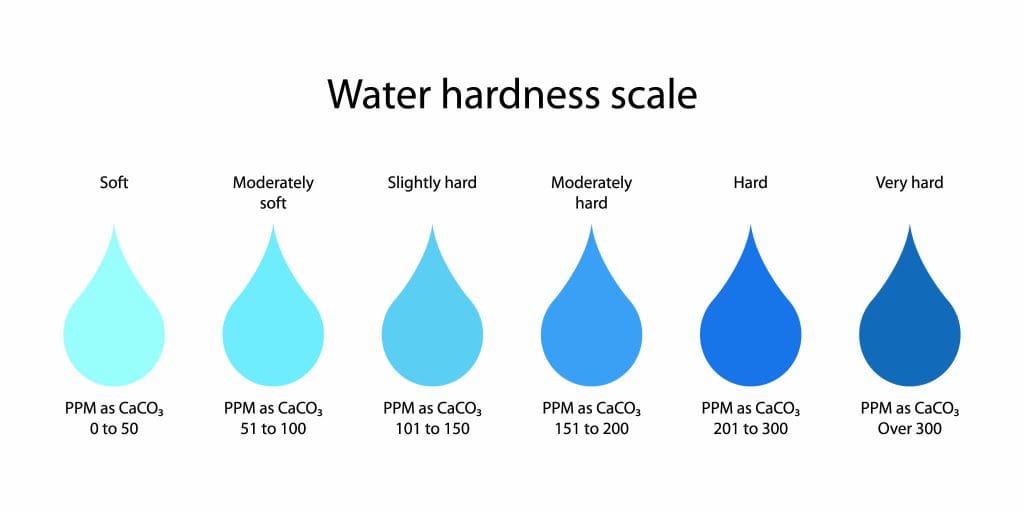
If you want a precise answer, you can buy a $10 test strip from a hardware store. It’ll tell you the exact parts per million of minerals. But honestly? Shaking a bottle of soap is way more fun. Plus, it’s a great excuse to make a mess. So go forth, test your water, and next time you see a cloudy ice cube, smirk knowingly. You’re now a water expert. You’re welcome.
