Why Is There An Expiration Date On Water

Let’s be real. You’ve done it. You’ve stood in the kitchen, staring at a bottle of water, and asked: Why on earth does this have an expiration date? It’s just water, right? It...
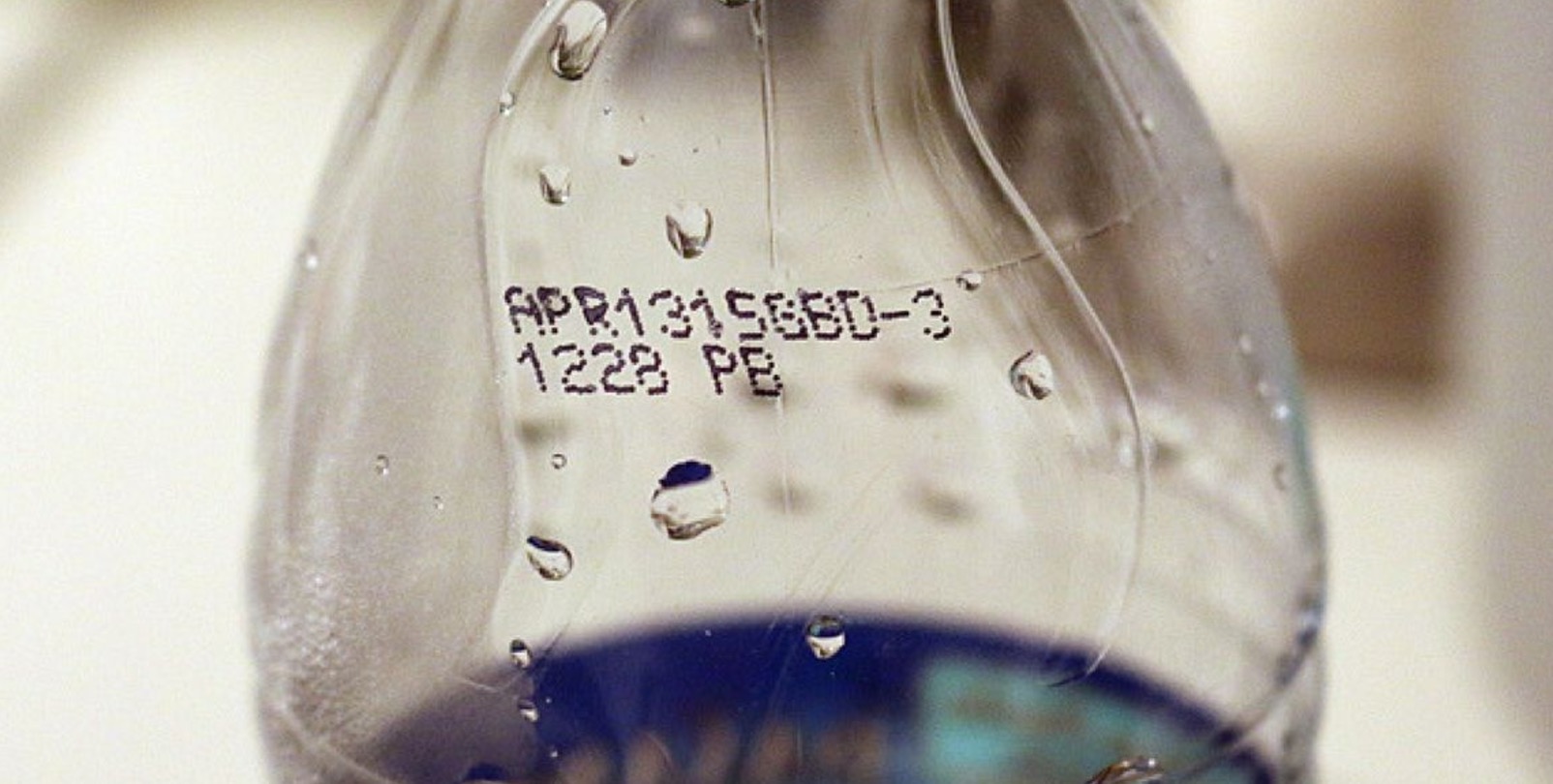
Let’s be real. You’ve done it. You’ve stood in the kitchen, staring at a bottle of water, and asked: Why on earth does this have an expiration date? It’s just water, right? It came from a cloud, fell as rain, got filtered, and sealed in plastic. Water doesn’t go bad. Or does it? Spoiler alert: the water itself is immortal. But the bottle? That’s a different story.
The Plot Twist: It’s Not the Water
Here’s the truth bomb: pristine H2O molecules don’t rot. They can’t. Water is chemically stable for eons. But your bottle of “spring water” is a party in a plastic container, and plastic has a social life. Over time, the bottle starts to leach chemicals into the water. You’re not tasting old water; you’re tasting a little bit of the container itself. Yum?
That expiration date isn’t about the water going bad. It’s about the plastic breaking down and releasing compounds like antimony (a metallic element) and phthalates (softeners). These aren’t deadly in tiny amounts, but they can give your water a weird, plasticky taste. Basically, the date is a “best flavor” label, not a safety warning.
Must Read
The Sneaky Science of Stagnation
But wait, there’s more. If you leave a bottle of water open in your car for three days, things start to grow. Not monsters, but algae, bacteria, and mold. They float in from the air and settle in your water like they’re at a spa. A closed, sealed bottle is sterile. Once you crack it open, the clock starts ticking for real.
So the expiration date on a sealed bottle is mostly a legal safety measure. Manufacturers don’t trust you to keep it sealed forever. They slap a date on there to say, “Hey, drink this within a couple of years, or the package might get weird.” It’s a corporate CYA move. Clever, right?
The State Law That Made You Squint
Here’s a fun, quirky fact: New Jersey passed a law in 1987 that required all bottled water to have an expiration date. No other beverage needed one, just water. Why? Lawmakers were worried about plastic leaching. They panicked, and the industry panicked too. Now, every state follows along, because it’s easier to print a date than argue in court.
You think that’s nuts? In some countries, bottled water has a two-year shelf life by law. In others, there’s no date at all! So when you see an expiration date on water, you’re actually looking at a little piece of political history. A bureaucratic ghost haunting your fridge.
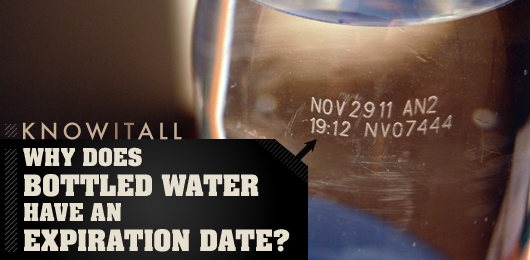 Know It All: Why Does Bottled Water Have an Expiration Date? · Primer
The Taste Test Nobody Asked For
Have you ever tasted year-old bottled water? Don’t do it for fun. But if you accidentally leave a case in your garage for a summer, crack one open. The taste is flat and slightly “off.” That’s not from age—it’s from the plastic outgassing. The water lost its dissolved oxygen, and the bottle’s molecules said hello.
People who hoard water for emergencies (like me) know the trick: rotate your stash every year. Not because the water will kill you, but because it will taste like a raincoat. And nobody wants to drink a raincoat during a power outage.
The Real Takeaway: Chill Out
Here is the ultimate truth: water doesn’t expire. You do. Okay, that’s dramatic. But seriously, a sealed, unopened bottle of water is safe to drink for decades. Scientists have tested 50-year-old water from sealed archives—it’s fine! The expiration date is a suggestion, not a commandment.
If you store water in glass or metal containers, it never expires. Zero chance. Plastic is the diva here. It hates heat, sunlight, and time. So if your water bottle has been sitting in a hot car for three months, toss it. If it’s been in a cool, dark pantry for two years? Drink up, brave explorer.
 Why Does My Water Bottle Have An Expiration Date? Explained!
Quirky Little Detail You Can Drop at Parties
Here’s a funny fact: the expiration date on water is often longer than that of milk, but shorter than honey. Honey lasts forever. Water on its own lasts forever. But plastic? It’s a needy friend. Also, the word “expiration” is misleading—they should write “best by when you want zero plastic taste.” Too long for a label, right?
One more: the FDA doesn’t actually require expiration dates on water. It’s voluntary. The companies do it because they think you’ll freak out if there’s no date. So we created a whole cultural anxiety over something that doesn’t spoil. Mind blown?
Why This Is Fun to Think About
This topic is silly and deep at the same time. It makes you question everything. Why do we trust numbers on packages? Why do we assume water can die? It’s like telling a river it has a bedtime. Water has been on Earth for billions of years, surviving meteor impacts and dinosaur pee. It will outlast your fridge.
Next time you see that tiny date, smirk. You’re in on the joke. The water isn’t expired. The bottle is just having an existential crisis. So drink it, share it, or use it to water a plant. But stop worrying. The molecules are fine. They’re just waiting for you to take that first confident, curious sip.
