Does Calcium Carbonate Dissolve In Water

So, you’ve found yourself staring at a chalky white rock or maybe a crushed-up antacid tablet, and a question pops into your head: does calcium carbonate actually dissolve in...
So, you’ve found yourself staring at a chalky white rock or maybe a crushed-up antacid tablet, and a question pops into your head: does calcium carbonate actually dissolve in water? It’s one of those deceptively simple questions that hides a surprisingly cool answer. Let’s dive in, shall we?
The Short (and Slightly Tricky) Answer
Technically, pure calcium carbonate is considered insoluble in water. If you drop a solid chunk of chalk (which is mostly CaCO₃) into a glass of distilled water, it’s going to sit there, stubbornly doing nothing.
But hold on—don’t walk away thinking that’s the whole story. The real magic happens when we tweak the water’s chemistry just a little bit.
Must Read
Why It’s Basically A Rock
Think of calcium carbonate as the grumpy hermit of the mineral world. Its molecules are locked together in a very stable, crystalline structure, and water molecules just aren’t strong enough to tear them apart on their own.
It’s a bit like trying to dissolve a piece of gravel in your coffee—it’s not going to happen, no matter how long you stir. You need some serious help from its chemical rivals.
Enter The Game Changer: Acidity
Here’s where things get wildly interesting. Calcium carbonate has a dramatic, cinematic reaction to acids. If you add a little vinegar (acetic acid) or even lemon juice to our chalky friend, it starts to fizz and bubble!
What’s happening is a chemical party—the acid reacts with the carbonate, producing carbon dioxide gas (those bubbles) and calcium salts that actually do dissolve in water. It’s almost like the rock throws up its hands and says, “Fine, you win!”
A Stalactite’s Secret
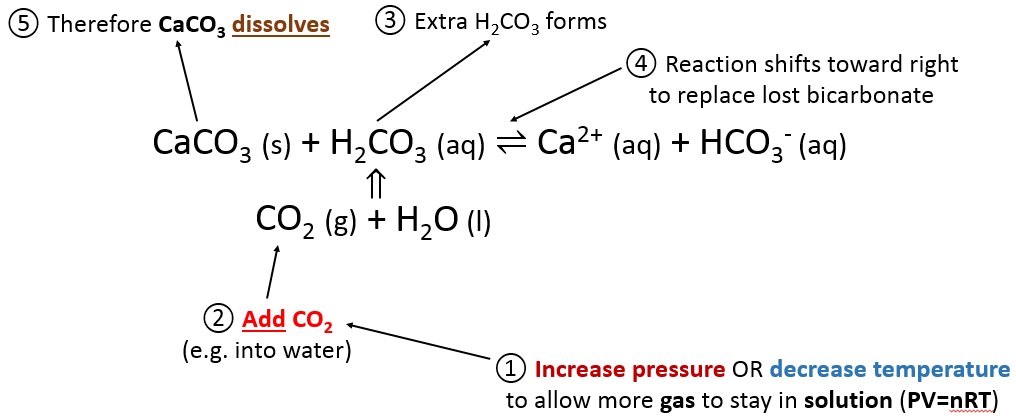
This reaction is why you have stunning caves full of stalactites and stalagmites. Rainwater, which is slightly acidic from absorbing CO₂ in the atmosphere, slowly dissolves limestone (calcium carbonate) over thousands of years.
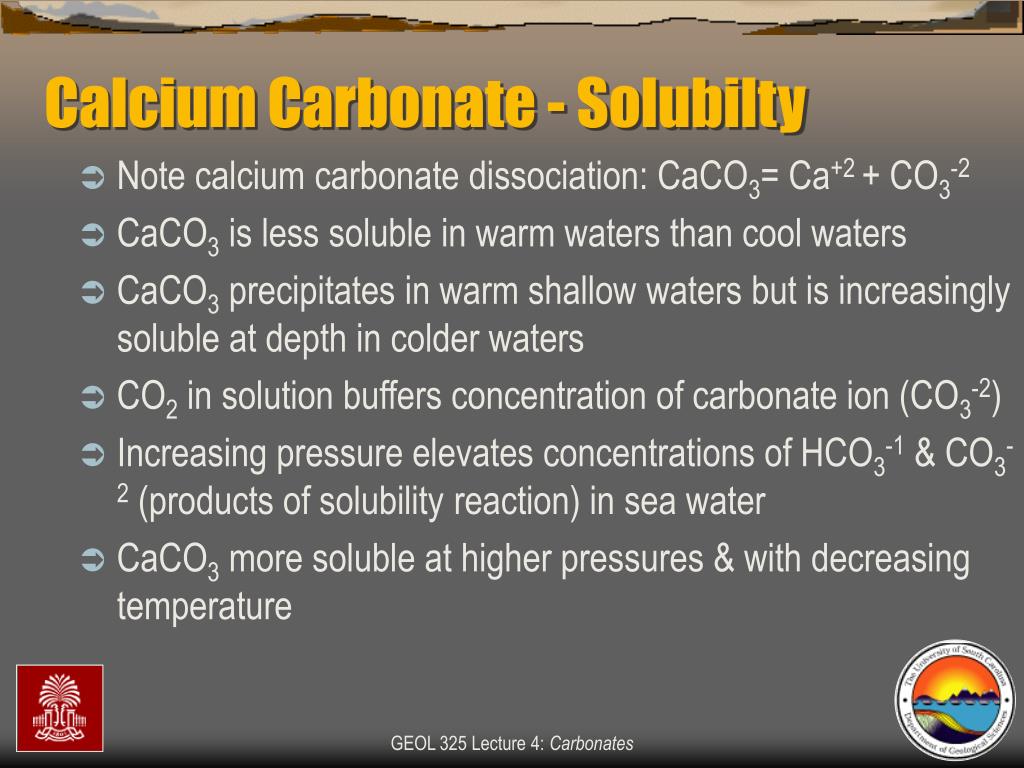 PPT - GEOL 325: Stratigraphy & Sedimentary Basins University of South
So, while a single raindrop can’t dissolve a rock, a billion slightly acidic raindrops can carve out an entire cavern. That’s some patient, slow-motion magic right there.
The Fun Comparison: How Dissolvable Is It?
Let’s put calcium carbonate on the “dissolving scale” with other stuff. Table salt? That’s a superstar, dissolving in a flash. Sugar? Pretty good too.
Calcium carbonate is more like a couch potato in still water—it just doesn’t want to move. But with a splash of acid, it becomes a hyperactive gymnast, fizzing and disappearing before your eyes.
The Ocean’s Acid Test
This isn’t just a fun lab fact; it’s a huge deal for our planet. Ocean acidification, caused by more CO₂ in the atmosphere, is making seawater more acidic.
That extra acidity makes it harder for creatures like clams, oysters, and corals to build their calcium carbonate shells and skeletons. They essentially start to dissolve before they’re even fully grown. Talk about an identity crisis.
Everyday Proof In Your Kitchen
Look in your medicine cabinet. That’s right, antacid tablets (like Tums) are almost pure calcium carbonate. They work because your stomach acid is extremely strong.
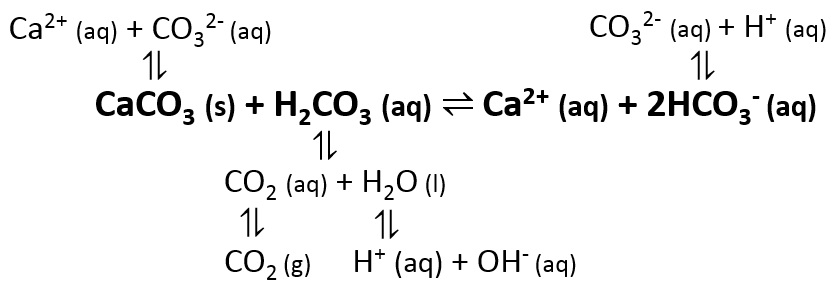 Caco3 In Water Calcium Carbonate Dissolution Patterns In The Ocean
When you pop one in, it fizzes and dissolves, neutralizing the acid and giving you relief. It’s the same chemical reaction that makes stalactites, just in your belly. Science is weirdly personal, isn’t it?
The Chalk And The Pond
Remember drawing on the sidewalk with chalk? If it rains, the chalk doesn’t just melt away into a puddle. Instead, it gets physically worn down by the water droplets, but it’s physically breaking apart, not chemically dissolving.
However, if you drop a piece of chalk into a glass of lemonade, you’ll see it fizz and slowly vanish. The acid is the key that unlocks the door.
So, What’s The Final Verdict?
Pure calcium carbonate in pure water? Nope, it doesn’t dissolve. It’s a tough, stubborn mineral that plays hard to get.
But if you change the rules of the game—add some acid or inject CO₂ gas into the water—it suddenly becomes a willing participant, fizzing and turning into a whole new set of molecules. It’s a perfect reminder that in chemistry, context is everything, and the most boring answer is usually hiding a very wild party.
Next time you see a limestone cliff or a seashell, just remember: they’re not really permanent. They’re just waiting for the right, slightly sour moment to become a part of the water.
