Does Boiling Water Make It Safe To Drink

So, you’re camping, your water bottle is empty, and the only liquid in sight looks like it was filtered through a wet sock. Your brain whispers, “Just boil it, right?” Yes, bo...
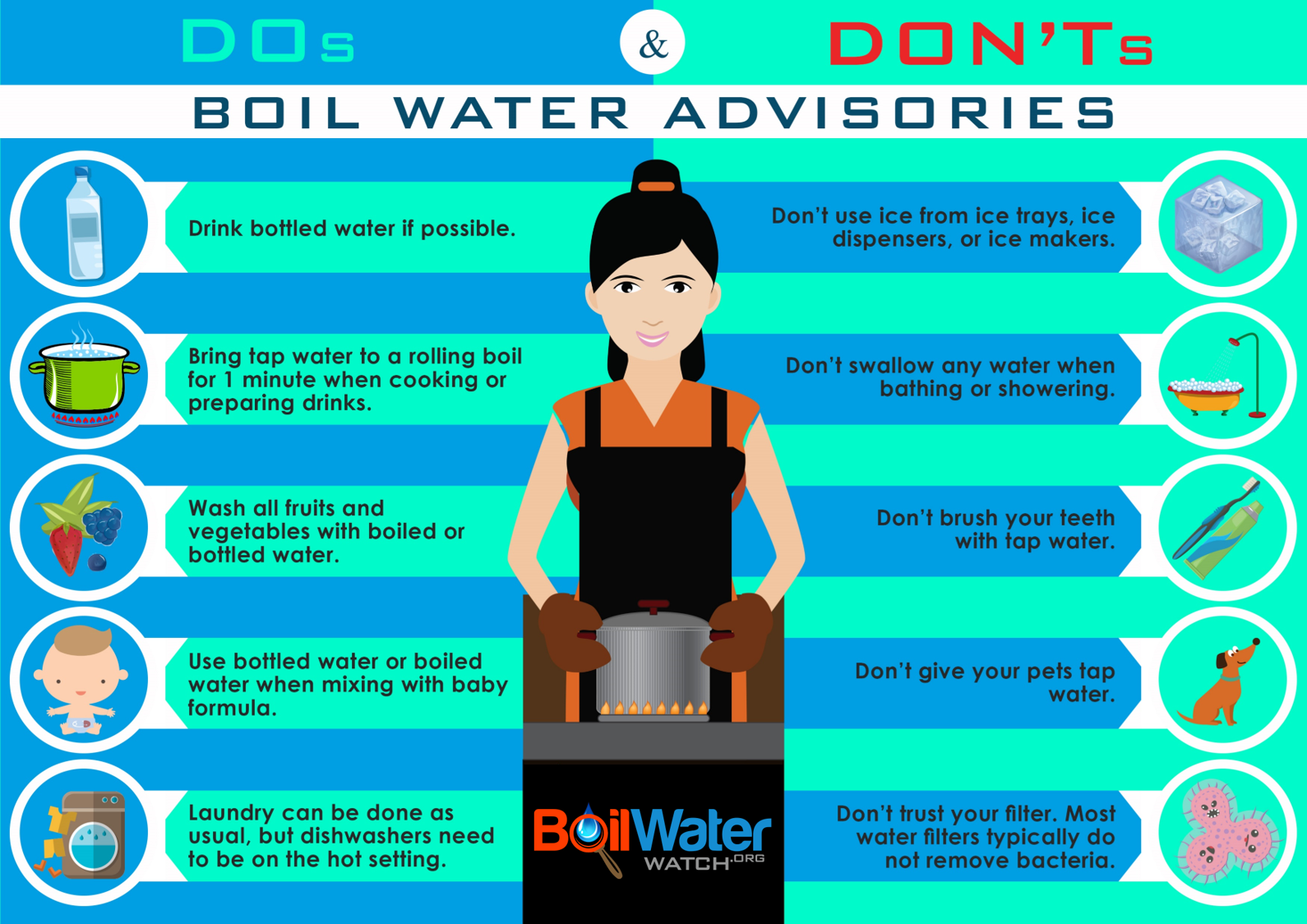
So, you’re camping, your water bottle is empty, and the only liquid in sight looks like it was filtered through a wet sock. Your brain whispers, “Just boil it, right?” Yes, boiling water is the classic survival hack—but does it actually make that swamp juice safe to drink? The short answer is: mostly, but don't throw away your water filter just yet.
Boiling is the microbe murderer of the water world. It annihilates bacteria, viruses, and parasites like a tiny, watery apocalypse. When water hits a rolling boil at 212°F (100°C), those nasty critters cook faster than a microwave burrito.
The U.S. Centers for Disease Control (the fun people with the lab coats) say one minute of a rolling boil is all you need at sea level. But if you’re camping on a mountain trying to feel philosophical, let it boil for three minutes—altitude makes water boil at a lower temperature, so you need more time to kill the beasties.
Must Read
Here’s where the party gets complicated
Boiling is fantastic at killing living things, but it doesn’t filter out stuff. Imagine you scoop water from a river that a beaver just used as a toilet—boiling kills the beaver’s germs, but you’re still drinking beaver-poisoned water with a side of silt.
That murky brown liquid? Boiling won't remove heavy metals, pesticides, or industrial chemicals. In fact, boiling can concentrate them because water evaporates while the toxins stay behind. Congratulations, you just made a toxic reduction sauce—would you like a straw?
If your water looks like swamp runoff, strain it first through a clean cloth or coffee filter. This removes big particles (like that twig floating ominously) so you’re not boiling a bug stew. Then boil aggressively—but know you’re only killing the bio-threat, not the chemical nightmare from the nearby factory.
What about Giardia, the hiker’s nightmare?
Oh, Giardia—the microscopic monster that gives you explosive diarrhea for two weeks. Boiling kills it dead. But here’s the messed-up part: you can reinfect yourself if you touch a contaminated surface and then your mouth. Boiling the water doesn’t boil your hands, champ.
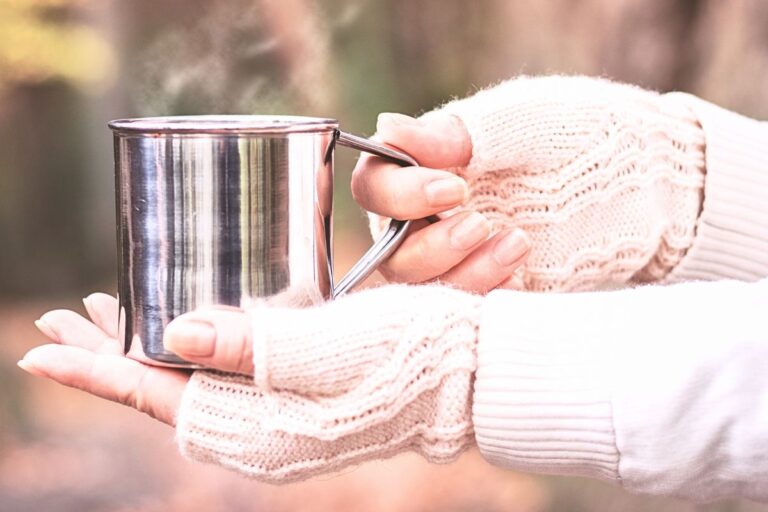 Does Boiling Water Make It Safe To Drink? - I Read Labels For You
Another surprise: Cryptosporidium is a tiny parasite that survives chlorine but dies at 165°F. Yep, your boil kills it. But if your water starts at 50°F and you only get it to 180°F for five seconds you might miss a few. That’s why experts scream “full rolling boil for one minute”—because half-assed boiling is just hot water with a death wish.
Here’s a wild fact: botulism toxin is actually destroyed by boiling for 10 minutes. But botulism spores? Those little bastards can survive boiling. They only die at higher temperatures (like in a pressure canner). So if your water is home to botulism spores, a quick boil is like spanking a T-Rex—pointless.
Does boiling remove plastics or microfibers?
Short answer: no. Boiling actually releases more microplastics from plastic bottles. You’re basically turning your Nalgene into a hot soup of science regret. Stick to stainless steel or glass kettles unless you want a side of polymer in your tea.
Also, boiling won’t fix bad taste. That metallic, swampy flavor? That’s minerals and organic matter, not germs. Boiling can actually make the taste worse by driving off oxygen and leaving a flat, lifeless soup. You’ll end up with safe water that tastes like a boiled penny.
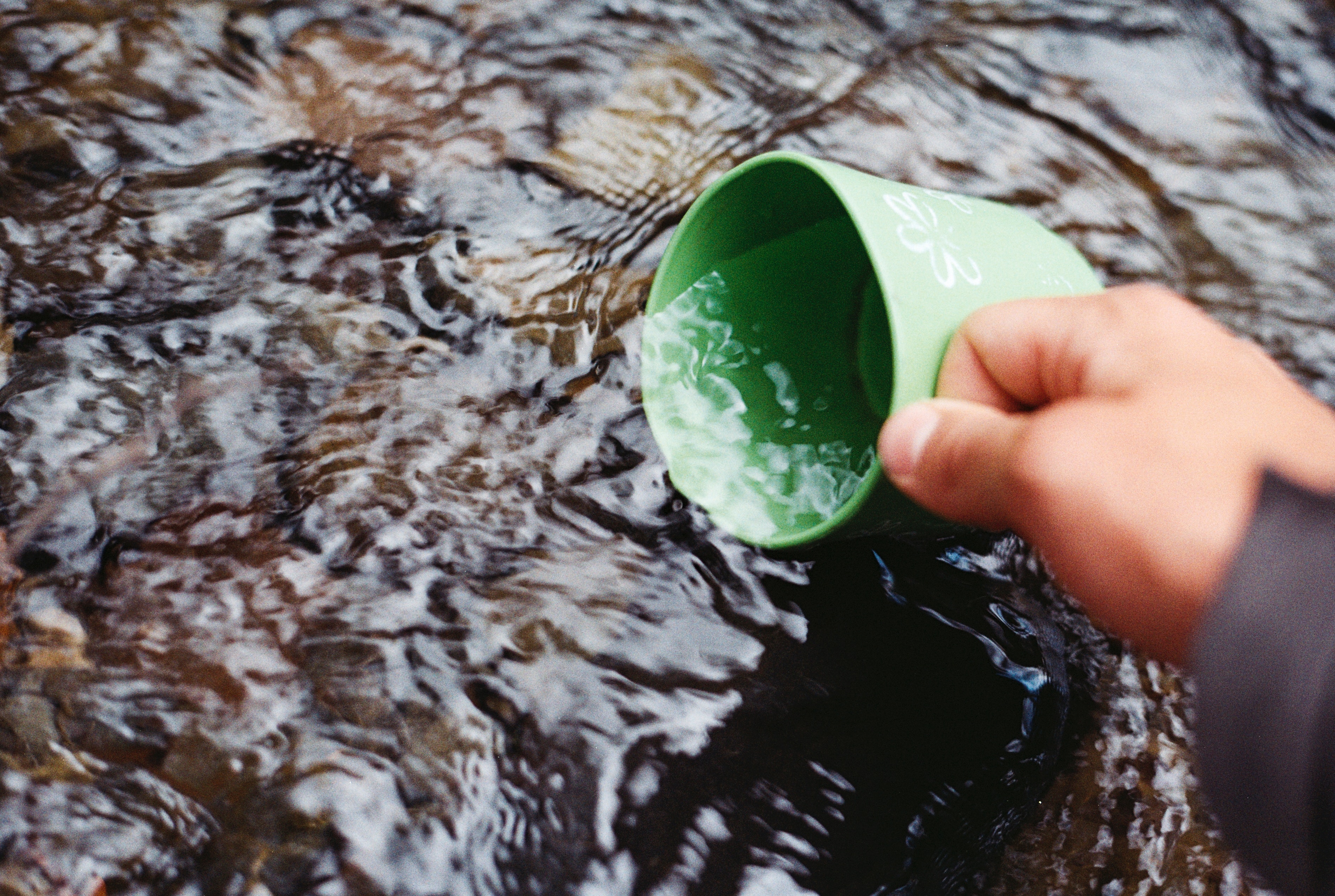 Does Boiling Water Make Your Water Safe To Drink? – Epic Water Filters USA
Let’s talk about the elephant in the kettle
If you’re in a developed country with tap water that’s already treated, you don’t need to boil it. Boiling tap water that’s already safe is like putting a helmet on a rock—it’s overkill. The only reason to boil city water is if there’s a boil-water advisory (usually after a main break or flood).
But if you’re in the wilderness or a disaster zone, boiling is your best cheap friend. It’s faster than a filter, lighter than a tablet, and requires nothing but fire and a pot. Just remember: boiling won’t save you from chemical weapons or radioactive waste—for that, you need a sealed bunker and a scientific miracle.
Here’s the surprising truth: many people get sick from recontaminating their boiled water. You boil it, pour it into a dirty cup, and bam—you’ve invited the bacteria back to the party. Use a clean container or let the water cool in the same pot you boiled it in.
So, does boiling make water safe? Yes, for biological threats—and that’s huge. It stops 99.9% of the stomach horrors. But it’s not a magic wand. If your water contains lead, arsenic, or a dead squirrel floating in it, you’ve got bigger problems than microbes. Filter first, boil second, and maybe pack some iodine tablets as a backup.
In short: boiling is the helicopter parent of water purification—it protects against the obvious dangers but doesn’t teach the water how to avoid bad choices. Stay sharp, boil your swamp juice, and always have backup plan. You’ll survive, you’ll avoid the thunder poops, and you’ll have a hilarious story to tell at the café. Just don’t drink the beaver-poison.
