Why Does My Sink Water Smell Like Sewage

You’re brushing your teeth, half-asleep, when it hits you: that unmistakable, rotten-egg smell wafting up from the sink. Suddenly, your morning routine feels less like a fresh...

You’re brushing your teeth, half-asleep, when it hits you: that unmistakable, rotten-egg smell wafting up from the sink. Suddenly, your morning routine feels less like a fresh start and more like a crime scene investigation. Relax—you haven’t suddenly lost your grip on hygiene.
That sulfurous, sewage-like odor is surprisingly common, and it usually has a simple, fixable cause. Think of it as your plumbing’s way of sending a cryptic text message: “Something’s off down here, and I need your attention.” The good news? You don’t need a plumber’s degree to decode it.
Let’s start with the most likely culprit: the P-trap. That curved pipe under your sink isn’t just for show—it holds a small amount of water that acts as a barrier against sewer gases from the main line. If you haven’t used that sink in a while, say after a long weekend trip, that water can evaporate.
Must Read
Without that liquid seal, the odors from your septic system or municipal sewer have a direct invitation to party in your bathroom. It’s like leaving your front door wide open in a neighborhood with a skunk problem. Easy fix: just run the water for thirty seconds to refill the trap.
The Grimy Buildup: When Bacteria Throw a Rave
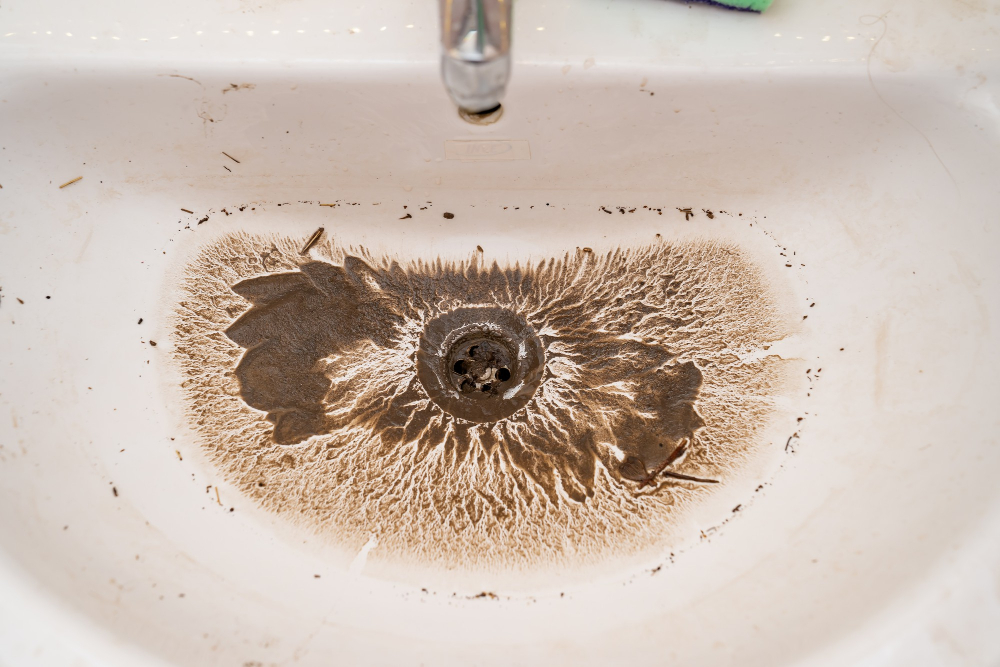
If you use your sink daily and still smell sewage, the problem is likely biofilm. This is a fancy word for a slimy colony of bacteria, soap scum, and food debris that builds up inside your drainpipe. As these microbes break down organic matter, they release hydrogen sulfide gas—that classic rotten-egg scent.
Think of it as a tiny, damp, bacteria-hosted festival happening right under your nose. And the headliners? Hair, toothpaste, and that half-cup of coffee you always dump down the sink. Here’s a fun fact: some studies estimate that a single gram of biofilm can contain up to 100 million bacteria. Gross, but totally normal.
Your first line of defense is a simple, weekly hot-water flush. Boil a kettle and pour it slowly down the drain—this melts soap residue and disrupts the biofilm. Follow it with a half-cup of baking soda, then a cup of white vinegar, and cover the drain for fifteen minutes.
When the Sink Isn’t the Star: Check the Overflow Hole
Here’s a sneaky little detail most people overlook: the overflow hole in your bathroom sink. That small opening near the rim isn’t just for design—it prevents water from spilling over if you leave the tap on. But over time, it can collect gunk and slime, creating its own private odor corridor.
If you’ve cleaned the main drain and the smell persists, shine a flashlight into that hole. You might find a dark, crusty buildup that smells like a swamp. Pro tip: spray a foaming drain cleaner or a mix of baking soda and water into the overflow, then flush with hot water.
 Why My Kitchen Sink Smells Like Sewage: Causes & Solutions
This is the plumbing equivalent of checking your coat closet for a forgotten gym bag—it’s not the main event, but it can ruin the whole vibe. Ignore it at your own olfactory peril.
The Sewer Gas Trifecta: Vent Pipes and Dry Traps
Sometimes, the issue isn’t local to your sink at all. Your home’s plumbing system has a network of vent pipes that run up to your roof, allowing sewer gases to escape outside. If a vent pipe is blocked—by leaves, bird nests, or snow—those gases have nowhere to go but back into your house, through the nearest drain.
Imagine a soda bottle with a blocked straw: the pressure builds, and then it fizzes everywhere. That’s your plumbing without proper ventilation. Another fun fact: older homes with cast-iron pipes can develop small cracks over decades, allowing gases to seep out behind walls.
If you’ve tried the trap and drain tricks and still smell a persistent sewage note, it’s time to call a professional. But before you panic, check one more thing: other drains. Is your washing machine or basement sink also emitting odors? A shared vent blockage might be the real culprit.
Your Secret Weapon: The Garbage Disposal
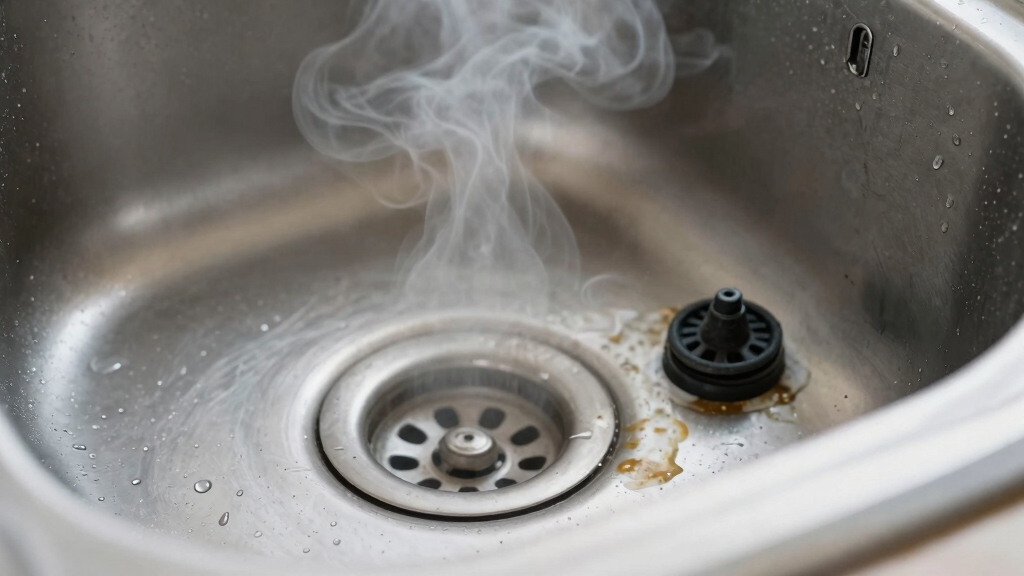
If you have a garbage disposal, congratulations—you’ve got a charity case for odor production. The rubber splash guard around the opening can trap food particles and become a breeding ground for bacteria. It’s like a damp sponge that never gets wrung out.
To freshen it up, grind up a few lemon or orange peels with cold water. The citrus oils cut through grime and leave a zesty scent that makes you look like a kitchen wizard. For a deeper clean, toss in a few ice cubes and a tablespoon of baking soda—the ice scrapes the blades clean.
 Why Does My Sink Smell Like Sewer? Expert Fixes – Plumbing Ways
And here’s a tiny cultural nod: in many Mediterranean homes, they regularly pour a handful of coarse salt down the drain, let it sit, and then flush with boiling water. It’s old-world wisdom that doubles as a gentle abrasive.
When to Wave the White Flag
Sometimes, despite your best efforts, the smell returns like an ex you can’t shake. Persistent sewage odors can indicate a busted sewer line or a crossover between your waste pipes and clean water supply. If you notice gurgling sounds when you flush a toilet, or water backing up in the shower, stop DIYing immediately.
These are signs of a major blockage or a collapsed pipe—and that’s a job for a professional with a snake camera, not a YouTube tutorial. A plumber’s inspection might cost a few hundred bucks, but it beats inhaling methane gas for months.
Also, keep in mind that some municipal water systems use chloramines (a mix of chlorine and ammonia) for disinfection. When these chemicals interact with organic matter in your pipes, they can create a faint bleach-like or metallic smell. It’s not sewage, but it can be confusing.
Daily Life and the Sink Smell
In the grand scheme of daily dramas, a smelly sink is a minor plot twist. It’s the universe’s way of reminding you that even our most modern luxuries—indoor plumbing, hot water, garbage disposals—are still just systems of pipes and bacteria doing their messy thing. We live in a dance of biology and engineering.
So next time you get a whiff of that funky air, don’t cringe. Nod knowingly, grab the baking soda, and give your drain a little love. After all, every home has its quirks—and yours just happens to burp occasionally. Stay calm, flush hot, and keep your traps wet. Your nose—and your morning coffee ritual—will thank you.
