What Does Recharging A Water Softener Do

So, you’ve got this big, plastic trash-can-looking thing in your basement, humming like a mildly grumpy refrigerator. That’s your water softener, and the little manual says it...
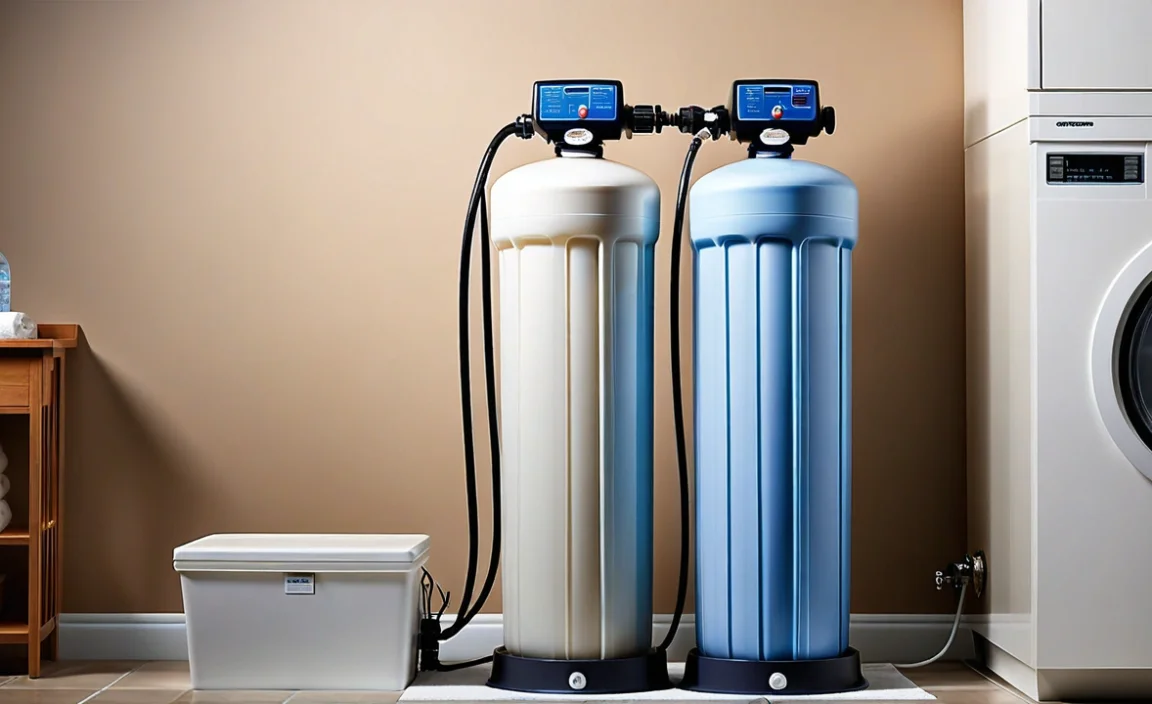
So, you’ve got this big, plastic trash-can-looking thing in your basement, humming like a mildly grumpy refrigerator. That’s your water softener, and the little manual says it needs “recharging.” Sounds like you’re about to hook it up to a car battery, right? Relax. It’s far less dramatic—and far more salty—than that.
What in the salty heck is it doing?
Your water softener is basically a magical janitor for your pipes. It uses little resin beads to trap the calcium and magnesium—the “hard” minerals that make your soap scummy and your hair feel like straw. But these beads get full, like a kid at a buffet, and they stop working.
Recharging is the softener’s way of regurgitating the mess and getting back to work. It uses a brine (saltwater) solution to blast those minerals off the beads and send them down the drain. Think of it as a dental floss session for your plumbing.
Must Read
Step one: The soap opera begins
First, the softener shuts off the water to your house, which is terrifying for about thirty seconds. Don’t panic—it’s just holding its breath. Then it pumps a super-salty brine from the tank into the resin bead chamber.
The salt ions are like bullies—they shove the calcium and magnesium off the beads, shouting, “Move over, loser!” The hard minerals get flushed out a tiny tube, headed for the sewer. It’s a mineral eviction notice.
Fun fact: The brine is about 10% salt, which is saltier than the Dead Sea. You could float a brick in that tank.
Step two: The rinse and repeat dance
After the bullying session, the softener flushes away the salty mineral soup with fresh water. This is called the “brine rinse,” but it’s more like a hose-down after a mud fight. It then re-fills the brine tank with fresh water and a pile of salt pellets.
Yes, you are essentially feeding your basement a diet of salt. A typical 40-pound bag lasts about a month. If you’re wondering, that’s enough salt to preserve a small elephant.
Surprising fact: The whole process takes about 90 minutes. That’s longer than most movies. Popcorn not included.
 What Does Recharging a Water Softener Do? Find Out!
Why should you care?
If you skip recharging, your water softener becomes a glorified rock tumbler. Hard water builds up scale in your pipes, which can reduce water pressure until your shower feels like a sad, leaking straw.
Without soft water, your dishes get cloudy, your laundry turns stiff, and your skin feels like you just crawled out of a chalkboard factory. Recharging keeps your coffee maker, dishwasher, and water heater alive longer. It’s like a multivitamin for your appliances.
Here’s the kicker: Soft water actually makes soap lather 70% better than hard water. You could use half the shampoo and still feel like a soap commercial.
The surprising secret of salt
Not all salt is created equal. You can’t just dump table salt in there—it has anti-caking agents that will gum up the works. Use solar salt or evaporated salt pellets. They look like tiny, edible ice cubes, but don’t taste them. Seriously, don’t.
Some people think salt is bad for the environment, and it can be—if you’re dumping it in a river. But modern softeners use “on-demand” recharging, which uses 50% less salt than old models. The EPA actually says soft water can reduce home energy use by 15%. Your planet, your wallet—win-win.
When does the monster wake up?
Your softener usually recharges at 2 AM, because manufacturers assume you’re a vampire. The timer says, “Let’s make some noise when everyone is dreaming.” It sounds like a washing machine gargling a gravel sandwich.
If you hear a loud gurgle at 3 AM, don’t call an exorcist. It’s just the brine injector sucking air. Normal. Annoying? Yes. But your pipes are happy.
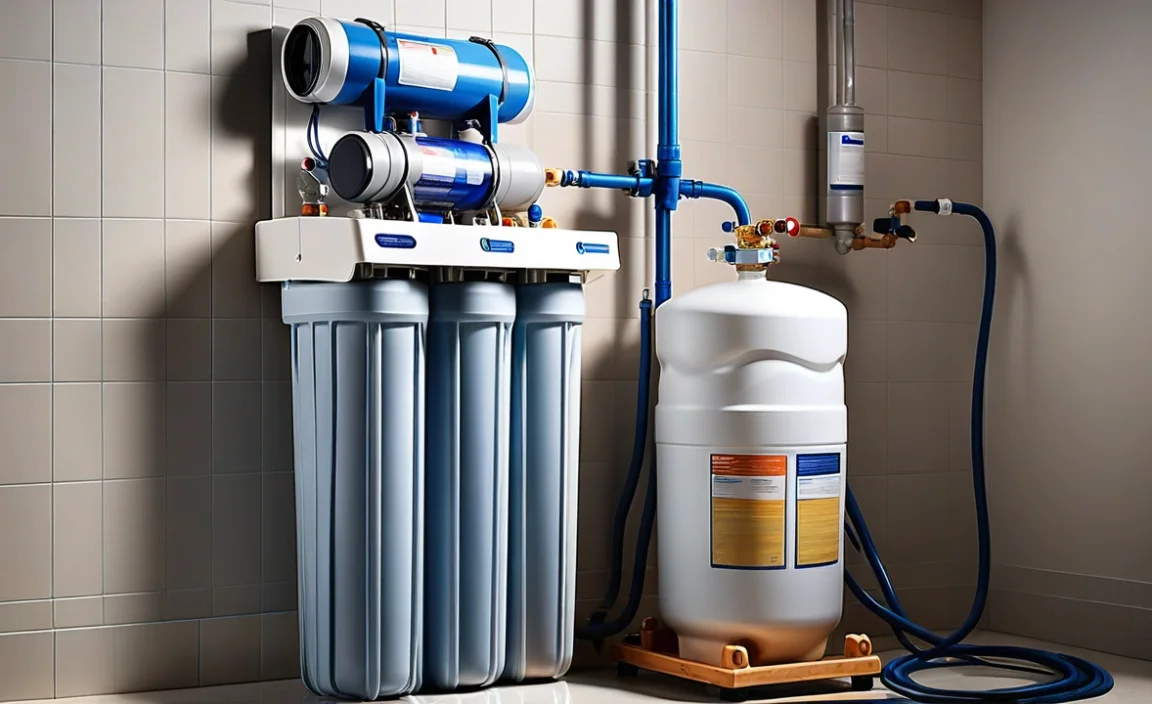 What Does Recharging a Water Softener Do? Find Out!
Pro tip: You can set the timer to recharge at noon while you’re at work. Your neighbors will never know you run a salt factory in the basement.
What happens if you forget?
If you ignore the recharging, the resin beads become permanently coated in minerals. They turn into useless, crunchy pebbles. Your water gets hard again, and your softener becomes an expensive paperweight.
You’ll know it’s broken when your shower feels like scraping sandpaper on your skin. Or when your tea pot develops a crust thick enough to build a birdhouse.
Surprising fact: Some people go years without recharging. Their water softener is basically a fountain of lies—it sits there, humming, doing absolutely nothing. Don’t be that person.
The grand finale
Recharging a water softener is like hitting the reset button on a grumpy robot. A little salt, a little patience, and ninety minutes of gurgling later, your water is back to being silky smooth. Your soap lathers. Your hair bounces. Your pipes send you a thank-you note in the form of zero scale buildup.
So, next time you hear that midnight gurgle, smile. It’s not a burglar. It’s not a ghost. It’s just your salt-hungry dragon, doing its job. Go buy it a bag of salt. It’s a cheap date.
And remember: Soft water doesn’t make you soft. It makes your laundry soft. Big difference. Now go pour some salt in that thing and reclaim your shower.
