Where Does The Water Come From In A Well

You’re standing at the kitchen sink, watching that crystal-clear water pour out, and maybe—if you’re like me—you’ve wondered: “Where the heck did this just come from?” If your...

You’re standing at the kitchen sink, watching that crystal-clear water pour out, and maybe—if you’re like me—you’ve wondered: “Where the heck did this just come from?” If your house runs on a well, the answer is a lot cooler and more dramatic than a pipe from a city reservoir. It’s like having a secret underground stream that’s been on a billion-year road trip just to fill your coffee pot.
The Great Underground Sponge
Think of the ground beneath your feet as a giant, watery sponge. But not a dry kitchen sponge—more like the one you left in the sink too long that’s now squishy and heavy.
That soggy underground layer is called an aquifer, and it’s basically a massive, natural water storage tank made of sand, gravel, or cracked rock. Your well is like a really long straw you’ve jabbed into that sponge.
Must Read
When you turn on the tap, you’re not pulling water from a magical fairy pond. You’re just sucking the juice out of the ground’s own secret lemonade stand.
Where Does The Water Come From In The First Place?
Here’s the funny part: that water has been through more adventures than you have on a Tuesday. It all starts with rain—the sky’s way of hosing down your yard whether you asked for it or not.
Some rain runs off into rivers, but a bunch of it—like a lazy teenager—just soaks into the ground. It percolates down through layers of dirt, sand, and rock, picking up minerals along the way (which is why your water might taste a little like the earth’s breath).
This process can take a few hours or, I’m not kidding, thousands of years. So that glass of water you’re holding? It might have been a raindrop that bounced off a dinosaur’s tail.
It’s All About Pressure, Baby
Now, your well doesn’t just sit there like a sad bucket waiting for a leak. Pressure is the magic ingredient. Inside the aquifer, the water is under pressure from the weight of the earth above it.
This pressure pushes water back up the well—like when you squeeze a ketchup bottle and it squirts onto your burger whether you want it to or not. Your well pump just gives it a little extra nudge to get it into your house.
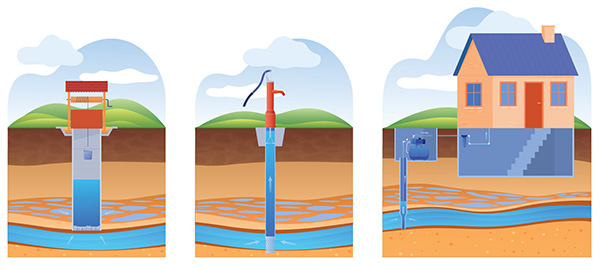 How To Draw Water From A Well Without Electricity
If you’ve ever heard your pump kick on with a thump-thump-thump, that’s the sound of a hardworking appliance saying, “Okay, fine, I’ll climb up the pipe again.”
The Journey From Your Yard To Your Glass
Imagine the water’s journey: first, it drips past tree roots and worm highways. Then it filters through layers of gravel, which acts like nature’s Brita filter—just dirtier and slower.
By the time it gets to your well screen (that’s the mesh at the bottom of the pipe), it’s been scrubbed clean by the earth’s own filtration system. No chemicals, no factory—just good old-fashioned geology doing the heavy lifting.
That’s why well water can feel so fresh. It hasn’t been sitting in a chlorinated tank with a bunch of other water watching TV all day.
But What About Drought? The Sponge Gets Thirsty
Here’s the reality check: your well is only as good as the rain that fed that underground sponge. If you have a summer with no rain, the aquifer level drops. It’s like your secret lemonade stand’s supply running low.
That’s when well owners start staring at clouds like they’re personal ATM machines. You become obsessed with the weather forecast, praying for a “gentle soaking” instead of that dramatic “cloudburst that runs off the driveway.”
And let’s be real—if you’ve ever had your pump suck air and spit out brown sludge, you know the panic. That’s the sound of your well saying, “I’m empty, buddy. Time to go get a case of store-bought water.”
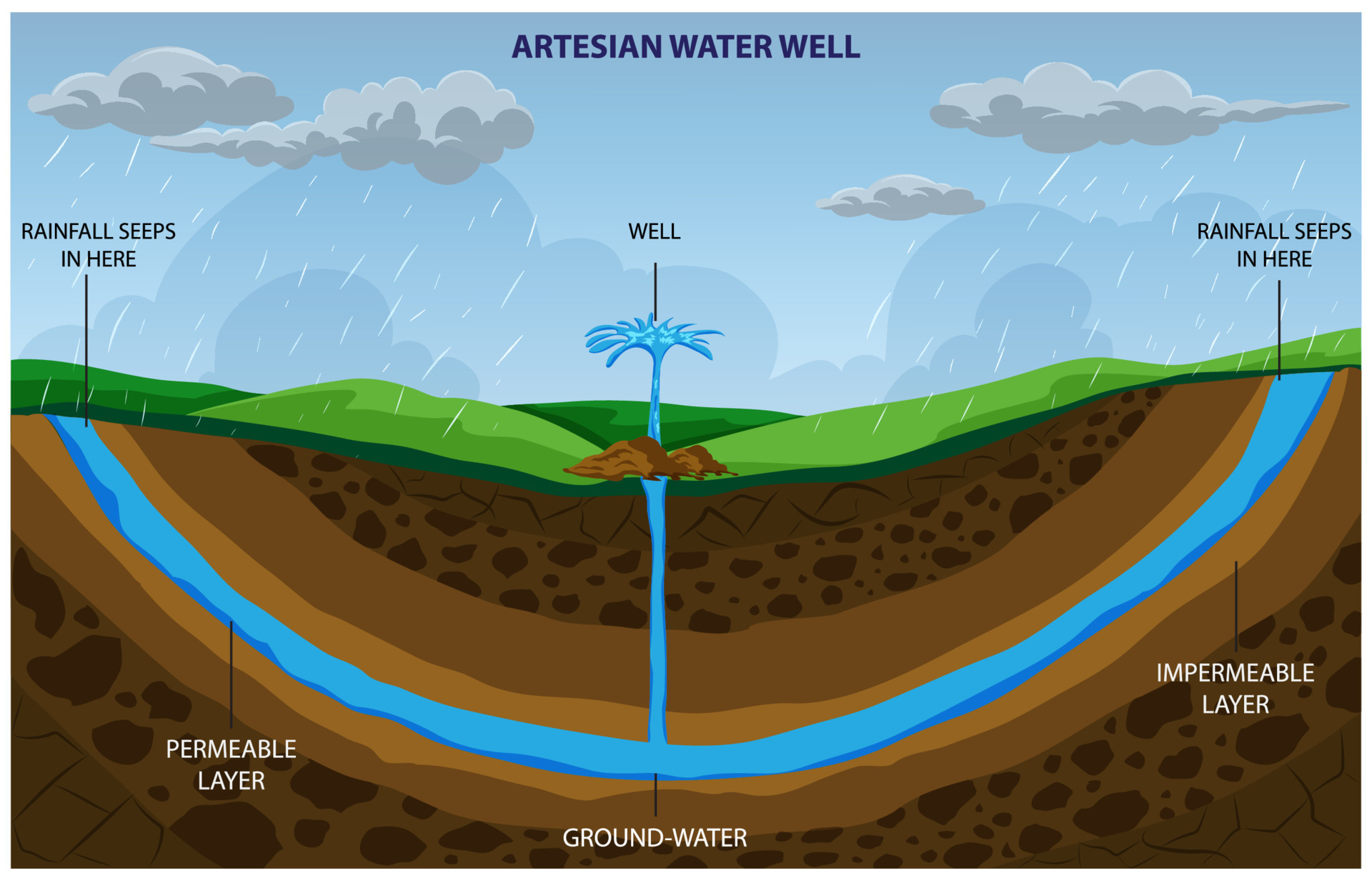 Artesian Well Diagram
Wells Are Like Tiny, Stubborn Elephants
I like to compare a well to a tiny, stubborn elephant. It holds a lot of water (memory), it takes a while to refill (patience), and if you’re not gentle, it goes dry (grumpy).
You never really appreciate a well until you have to haul a bucket of water from the neighbor’s spigot. Suddenly, you have a deep respect for every drop that comes from that magical hole in your backyard.
Pro tip: never run the washing machine, take a shower, and water the garden at the same time. That’s how you make your well throw a tantrum and give you low pressure that feels like a sad drizzle.
Why You Should Smile At Your Sink
So next time you fill up a glass, take a second to appreciate the journey. That water fell from the sky, tunneled through ancient rock, hid in a dark aquifer for who-knows-how-long, and then got yanked up by a pump just to quench your thirst.
It’s the most reliable—and the most invisible—friend you have. No glitter, no fanfare, just a steady stream of life from the earth’s own secret reservoir.
And honestly, that’s way cooler than any bottled water you can buy at the convenience store. Plus, it’s free (until the pump breaks, but let’s not think about that right now).
Stay hydrated, well neighbor. And remember: your ground is just a giant, soggy rock that loves you.
