How Does The Reverse Osmosis System Work

Picture this: you’re at a fancy dinner party, and the host pours you a glass of water that looks suspiciously like it came from a backyard pond. It’s cloudy, a little salty, a...

Picture this: you’re at a fancy dinner party, and the host pours you a glass of water that looks suspiciously like it came from a backyard pond. It’s cloudy, a little salty, and you’re pretty sure you see a tiny leaf floating in it. You take a polite sip, grimace internally, and wonder how anyone could drink this. Then, your host grins and says, “Don’t worry—it went through our reverse osmosis system!” Suddenly, that murky pond water becomes crystal clear in your mind, and you down the glass like it’s a miracle.
That’s the magic of reverse osmosis, or RO for short. It’s not a complicated spell or a high-tech wizardry—it’s basically a supercharged strainer for your water. Think of it as a bouncer at an exclusive club: only the purest water molecules get past the velvet rope, while all the riff-raff—like salt, lead, and those floating leaf particles—gets tossed out.
The Basic Setup (No PhD Required)
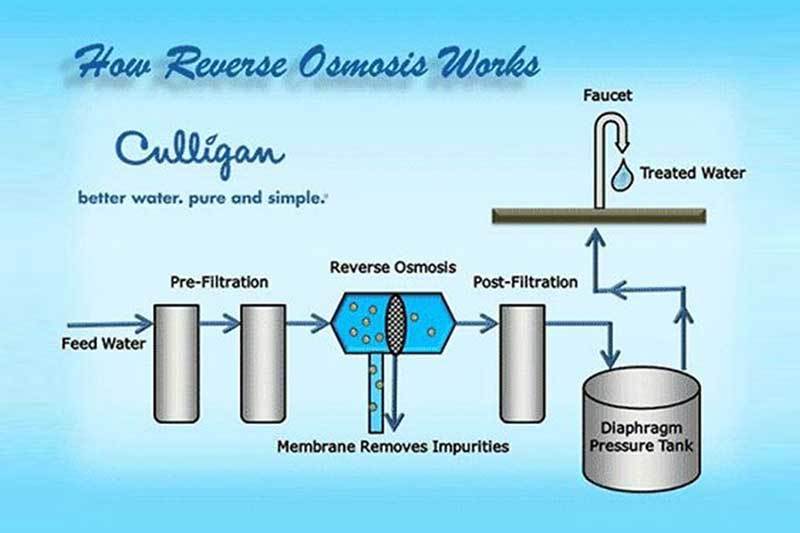
Reverse osmosis systems start with a simple principle: pressure. You know that feeling when you try to push water through a coffee filter with your bare hands? Yeah, it’s messy. RO uses a pump to force water through a semipermeable membrane—a fancy, plastic-like sheet with tiny pores that are microscopically small. We’re talking bacteria-size here, so nothing bigger than a water molecule gets through.
Must Read
But here’s the kicker: it’s “reverse” because it goes against nature’s usual flow. Normally, water would move from low to high concentration (like when you put a raisin in water and it plumps up). RO reverses that by pushing water from high to low concentration, using that pressure to force H2O through the membrane while leaving the gunk behind. Yes, it’s backwards—and that’s exactly why it works.
The Guts of the System
Let’s break down the parts you’d find under your sink or in a giant industrial tank. First up: the pre-filter. This is the front-line warrior that catches big stuff like sand, rust, and your grandma’s forgotten hair clip. Then, you’ve got the carbon filter, which sucks out chlorine and bad tastes—because nobody likes water that smells like a swimming pool.
Next comes the star of the show: the RO membrane itself. It’s a tightly rolled sheet of magic—okay, it’s polyamide film, but magic sounds cooler. Water squeezes through it at high pressure, leaving behind contaminants like arsenic, fluoride, and even some viruses. Spoiler: it also removes minerals, which is why some people add them back in later—but we’ll get to that.
 Reverse Osmosis (RO) | Water Filter Bali
Finally, there’s the post-filter, which polishes the water one last time before it hits your glass. You might also see a storage tank (for holding your clean water) and a drain line (for flushing the rejected bad stuff down the sink). So yes, your RO system is basically a tiny water treatment plant.
What It Actually Removes (And What It Doesn’t)
This is where the irony kicks in: reverse osmosis is so good at removing stuff that it even takes out the good stuff. That includes calcium and magnesium—those minerals that make water taste “mineral-rich” or help your body function. Most RO systems remove 90-99% of total dissolved solids, which is great for removing lead and pesticides, but not so great if you’re trying to get your daily dose of electrolytes.
That’s why some systems include a remineralization filter at the end, adding back those beneficial minerals. It’s like the system saying, “Oops, I took everything out—here, have some of these back.” And no, you don’t need to worry about “dead” water—that’s just a myth from fancy water bottle brands.
The Water Waste Drama
Here’s the dirty secret of reverse osmosis: it’s a bit of a water hog. For every gallon of clean water you get, the system might flush away 3 to 5 gallons of “concentrate” (aka the nasty leftovers). That’s a lot of water going down the drain—unless you have a modern RO system with a permeate pump or a zero-waste design. Pro tip: don’t install an RO system if you live in a drought zone without checking the specs first.
 What is Reverse Osmosis System | how does it work? Buy water filter
But don’t panic—this isn’t a dealbreaker. Many systems now recycle that leftover water for tasks like watering plants or washing dishes. Your succulents won’t know the difference.
Why You’d Even Want One
Let’s be real: most people’s tap water is totally fine for drinking. But if you live somewhere with hard water, old pipes, or a weird chemical aftertaste, an RO system is a game-changer. It’s also a lifesaver for people with compromised immune systems because it removes pathogens like Cryptosporidium. And yes, it makes coffee taste better—no more bitter notes from chlorine or metallic tang.
Plus, it’s way cheaper than buying bottled water. Think of it as an investment in your taste buds and your wallet. You’re not just paying for the system—you’re paying for never having to chug that weird pond water again.
The Final Sip
So next time you’re at that dinner party and the host hands you a glass of what looks like reclaimed swamp juice, just smile. The reverse osmosis system is working its butt off under the counter, pushing water through a microscopic bouncer so you can sip without a second thought. It’s nature, but with a little high-pressure attitude—and honestly, that’s the best kind of water.
