How Does A Water Softener Work With Salt

Okay, let’s talk about that big white cylinder next to your water heater. You know the one. It looks like a sci-fi prop from a low-budget movie. But it’s actually your water s...
Okay, let’s talk about that big white cylinder next to your water heater. You know the one. It looks like a sci-fi prop from a low-budget movie. But it’s actually your water softener, and yes, it eats salt for breakfast.
The Secret Life of Hard Water
First, we have to understand the enemy. It’s not aliens. It’s hard water. That’s water full of calcium and magnesium minerals.
These minerals are clingy. They stick to your pipes, your showerhead, and your favorite coffee mug. They leave that crusty white scale you hate scrubbing.
Must Read
Hard water also makes soap act weird. It won’t lather properly. Your hair feels like straw. Your dishes get spots. It’s a whole vibe, and it’s not a good one.
Enter the Salt (Dun dun dun!)
So how does the softener fight back with salt? It’s not magic, though it feels like it. It’s science, but the fun kind. The kind you can explain over coffee.
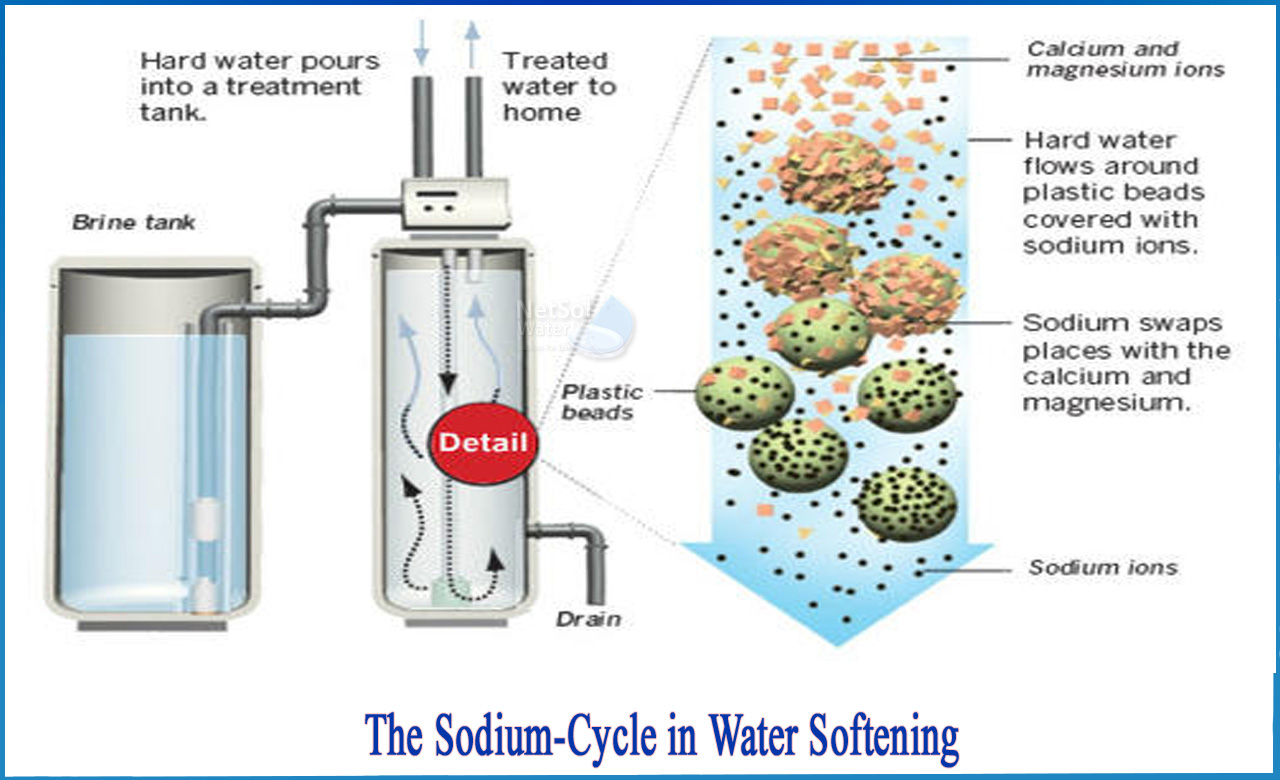
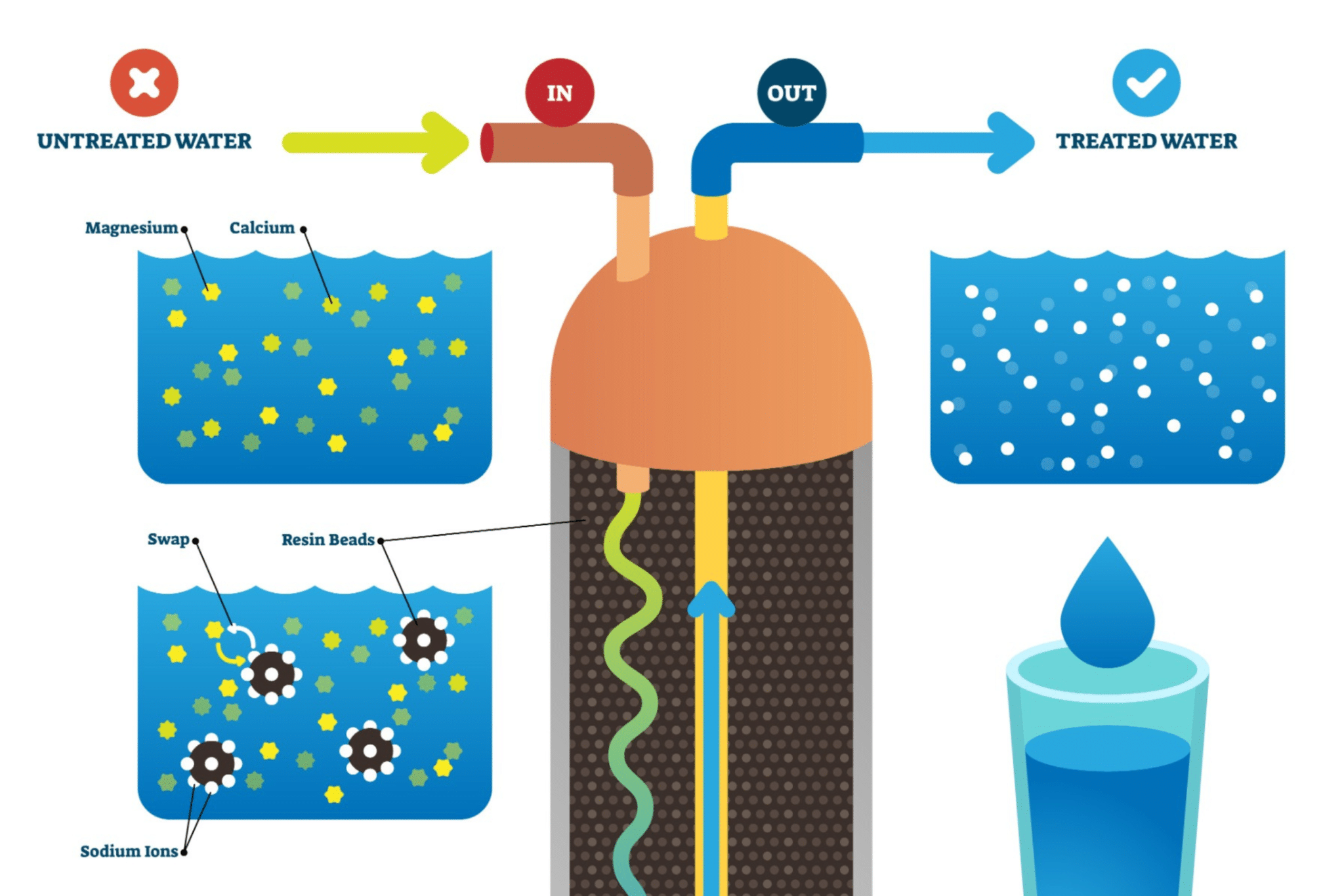
The softener has a tank full of resin beads. Think of these beads as tiny, super-thirsty sponges. But instead of water, they crave hardness minerals.
Water flows in, hits the beads, and poof—the calcium and magnesium stick to the beads. Clean, soft water flows out to your taps. Happy days, right? Wrong.
Why the Beads Need a Bath
Here’s the catch. Those resin beads get full. Like after Thanksgiving dinner. They can’t grab any more hard minerals. They’re useless.
That’s where the salt comes in. It saves the day. But the salt doesn’t actually soften your water. That’s a common myth. It’s all about the brine.
The salt mixes with water in a separate tank to create brine. It’s basically super-concentrated saltwater. Think of it as the beads’ detox juice.
The Regeneration Rave
When the beads are full, the softener starts a process called regeneration. It sounds fancy, but it’s just a cleaning cycle. The brine gets flushed over the beads.
 How Does a Water Softener Work? - Aquanology Water Conditioning
Now, here’s the cool part. The sodium in the brine is stronger than the clinging minerals. It kicks the calcium and magnesium off the beads.
The beads release the hard minerals and grab onto the sodium instead. It’s like a swap meet. Hard stuff out, soft stuff in. Then the system flushes the dirty brine away.
Wait, So Am I Drinking Salt?
I can hear you asking: “Does that mean my tea tastes like ocean water?” No, thank goodness. The amount of sodium added is tiny. Like, really tiny.
The softener only adds a trace amount of sodium. A glass of softened water usually has less sodium than a slice of bread. Or a bag of chips. You’re fine.
If you’re on a strict low-sodium diet, you can bypass the kitchen tap. Or use a separate drinking filter. Problem solved.
The Salt Itself is Not a Snack
Don’t raid that bag of softener salt for your french fries. It’s not food-grade. It’s industrial grade and often has impurities.
You’ll find three types: solar salt, evaporated salt, and rock salt. Solar is great for general use. Rock salt is cheaper but leaves more residue. You do you.
Just keep the bag away from your popcorn maker. Your taste buds will thank you. And your water softener doesn’t judge your choices.
 Salt Water Softener System Diagram Water Softeners Why? Service
Does Salt Ever Run Out?
Oh, yes. That’s why you check the tank every month. If you run out, the beads stay dirty. Your water gets hard again. It’s like the softener goes on strike.
You’ll know it’s low when the water feels slimy? No, wait. That’s soft water. Hard water feels crisp. Actually, you’ll notice spots on dishes or soap scum.
The good news is modern softeners are smart. Many have low-salt alarms or app notifications. They’ll yell at your phone so you don’t have to guess.
A Little Maintenance Goes a Long Way
You also need to clean the salt tank about once a year. Sludge builds up. It’s called “mush.” Yes, that’s the technical term. It smells weird.
Just scoop it out. Like cleaning a fish tank, but way less cute. And don’t use table salt in the tank. It’s too fine and can clump into a salty brick.
Use water softener pellets or crystals. Your machine will work better. It’s like using the right fuel for your car. Simple, right?
The Real Takeaway (For Real This Time)
So here’s the final scoop. A water softener works by swapping hard minerals for sodium. The salt makes the brine that cleans the resin beads.
The beads do the heavy lifting. The salt is just the cleanup crew. It’s a beautiful, salty dance. And your shower feels amazing.
So next time you see that big white tank, give it a nod. It’s working hard. One salty cycle at a time. Cheers to soft water and no more crusty mugs.
