Does Reverse Osmosis Water Have Minerals

So, you’ve got a shiny new reverse osmosis (RO) system under your sink, or you’re thinking about getting one. And now you’re wondering, “Does this thing strip out all the good...
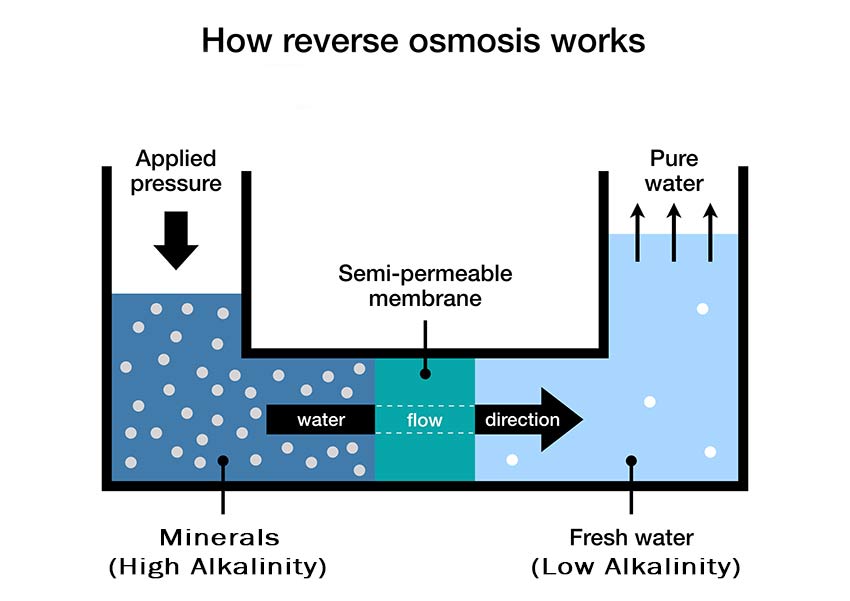
So, you’ve got a shiny new reverse osmosis (RO) system under your sink, or you’re thinking about getting one. And now you’re wondering, “Does this thing strip out all the good stuff, like minerals?” Let’s dive in, shall we? It’s a fantastic question, and the answer is more fun than you might think.
The Short, Sweet Truth
Yes, reverse osmosis does remove the vast majority of minerals from your water. It’s like a super-efficient bouncer at a club—letting only pure H₂O molecules through, while kicking out dissolved solids, including calcium, magnesium, and potassium. But hold on—don’t panic! This isn’t a bad thing, and here’s why.
Think of it this way: you’re not drinking tap water to get your daily dose of minerals. You get those from food—avocados, nuts, leafy greens, and that glorious chunk of cheese. Your water is mostly a delivery system for hydration, not a multivitamin. So, worrying about missing minerals in your RO water is a bit like worrying that your salad doesn’t have enough pizza.
Must Read
What’s Actually in Your Glass?
After RO filtration, your water is incredibly pure—close to distilled, but without the flat taste. It’s clean, crisp, and perfect for making coffee that tastes like actual coffee, not mineral-y tap water. You know that scale buildup on your kettle? That’s calcium and magnesium. RO water says, “Not today, scale monsters!”
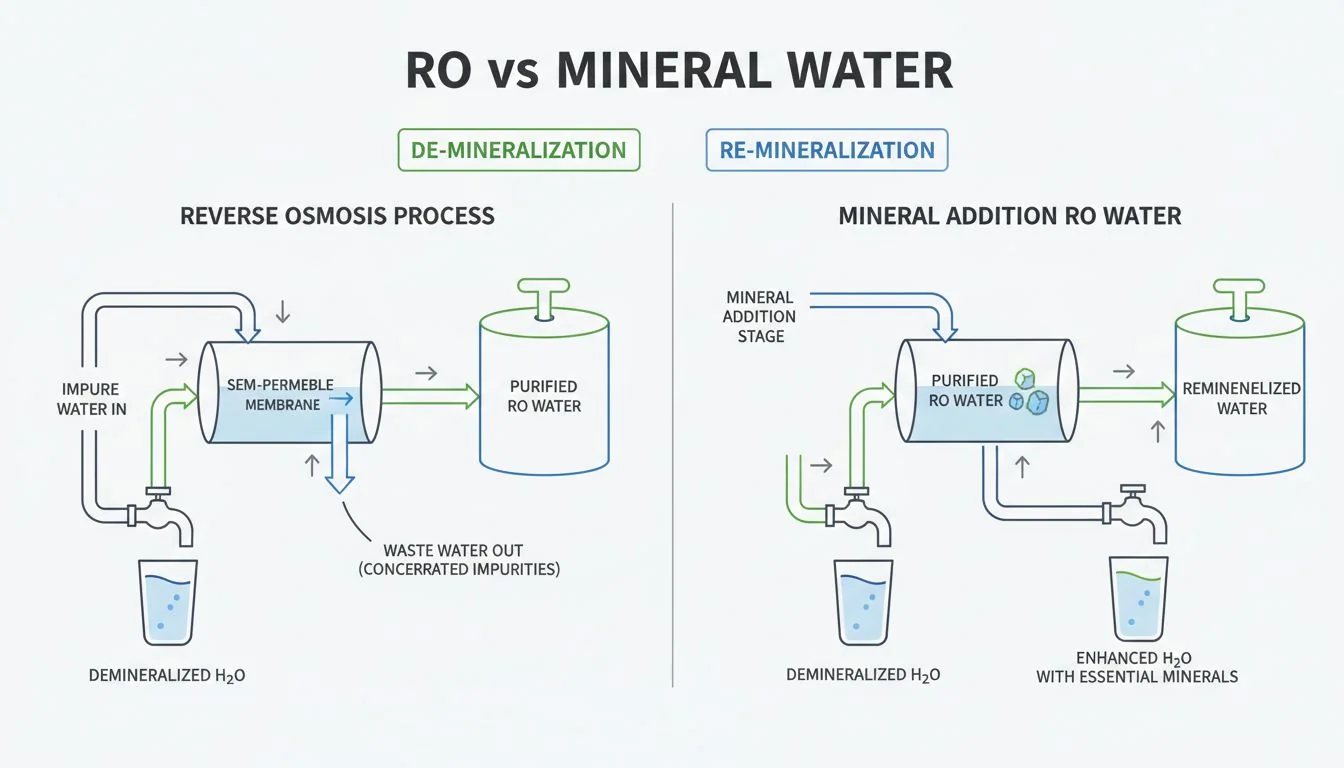
But here’s a little secret: many RO systems come with a reminderization stage. This adds back a tiny, balanced amount of minerals for taste and pH balance. It’s like the system says, “Okay, I’ll let a few of those lovely mineral friends back in for the party.” Check your unit—you might already have one!
 Unlock Wellness: Mineral-Balanced Water Secrets
The Big, Inspiring Picture
So, does reverse osmosis water have minerals? Technically, no. But that’s not a flaw—it’s a feature! You get the purest canvas for your hydration, your cooking, and your cocktails. Imagine making ice cubes that don’t make your lemonade cloudy, or a soup broth that tastes clean and bright instead of… well, like tap water.
The real magic is this: you are in control. You can always add a pinch of pink salt or a squeeze of lemon to your water if you miss that minerally kick. Or, you can buy a simple remineralization cartridge. Life is about options, my friend!
Why This Makes Life More Fun
Think of RO water as your blank canvas. Want to brew the perfect cup of tea? Use pure water—your tea leaves will shine without being muddied by chlorine or calcium. Want to keep your fish tank crystal clear? RO water is your best friend. Even your skin and hair will thank you—less scale, more glow.
 What Is Water Demineralization and How Does It Work?-NEWater
And the best part? You’re not losing out on health. Studies show that drinking demineralized water doesn’t cause mineral deficiency, because you eat food. Yes, really. So relax, sip that pure, delicious water, and know you’re giving your body a fantastic, clean slate.
Your Uplifting Takeaway
So, the next time someone asks, “Does reverse osmosis water have minerals?” you can smile and say, “Not really, and that’s awesome!” You’re not missing out—you’re upgrading. You’re choosing precision, taste, and flexibility. You’re turning your tap into a source of pure possibility.
Embrace the clean. Experiment with adding a dash of mineral drops if you want. Treat your RO system like the little water-wizard it is. And remember: life is too short for mediocre water. You’ve got this. Go hydrate with joy!
