How Much Does A Water Well Cost To Drill

So, You Want to Drill a Hole to China? Let’s be honest: you’re probably reading this because your water bill is making you weep into your morning coffee, or you’ve watched on...
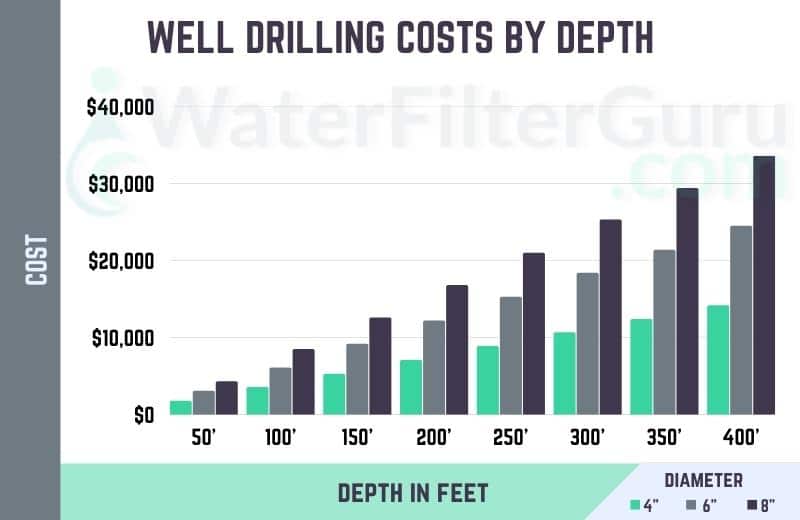
So, You Want to Drill a Hole to China?
Let’s be honest: you’re probably reading this because your water bill is making you weep into your morning coffee, or you’ve watched one too many off-grid YouTube videos. Or, maybe, the city just told you your tap water tastes like a swimming pool’s revenge. Whatever the reason, you’re wondering: How much does a water well actually cost to drill?
Brace yourself. The answer is a lot like the well itself—deep, full of surprises, and potentially draining your wallet faster than a leaky faucet. But hey, once it’s done, you can literally shower in freedom. Let’s dig in.
The Magic Number (Spoiler: It’s Not Cheap)
Here’s the blunt, no-frills, accountant-approved range: expect to pay between $3,000 and $15,000 for a standard residential well. But that’s like saying a car costs between a used skateboard and a spaceship—it really depends on what planet you’re drilling on.
Must Read
The national average for a complete well system, with pump and piping, hovers around $5,500 to $12,000. For that price, you could buy a small boat, a giant inflatable dinosaur, or—if you’re boring—pay off a credit card. Please don’t buy the dinosaur.
But wait! Before you start digging with a shovel in your backyard (please don’t), you need to know what makes the price bounce around like a hyperactive kangaroo.
Depth: The “How Deep Is Your Hole” Factor
Drilling a well is not like digging for treasure in a sandbox. You pay by the foot. Most residential wells run between 100 and 400 feet deep. The average cost per foot is roughly $30 to $60—though rocky soil can send that number into “I need a second mortgage” territory.
If you live in Florida, your well might only need to go 30 feet. Congrats! You basically live on a giant sponge. But if you’re in the Rocky Mountains? Say hello to a 500-foot hole that costs more than your first car. That’s the geology lottery, baby.
The Drilling Rig: Basically a Giant Metal Mosquito
This is the main event. The rig arrives on a truck, looking like a Transformer that gave up on saving the world to focus on plumbing. The drill bit grinds through rock and dirt, making a noise that your neighbors will describe as “a demon with a toothache.”
 2025 Well Drilling Costs | Average Water Well Installation Cost
You’ll also get a casing—a steel or PVC pipe that lines the hole so it doesn’t collapse into a muddy crater. This costs extra, about $10 to $25 per foot. Think of it as a straw for your earth-slushie. A very expensive, very important straw.
The Hidden Costs (Because of Course There Are)
You thought the hole was the whole cost? Oh, you sweet summer child. After the hole comes the pump. A decent submersible pump runs $500 to $2,000. Need a fancy variable-speed pump? That’s another grand.
Then there’s the pressure tank (your water’s bouncy castle), the wiring, the control box, and the pipe that connects your well to your house. That bundle of joy typically adds $1,000 to $3,000. And that’s before we talk about permits—which can cost a few hundred bucks, but will save you from a fine larger than your hole.
Oh, and water testing. You don’t want to shower in bacteria soup, right? That’s another $100 to $400 for peace of mind. Plus, if you hit contaminated water, you may need a filtration system. That’s $1,000 to $5,000 more. Suddenly, that city water bill looks like a gentle hug.
The Surprising Fact That’ll Make You Say “Whoa”
Here’s a nugget of weirdness: a well can actually increase your property value by $5,000 to $15,000—if the water is good and the well is nearby. That means in some cases, drilling a well is basically free real estate. It’s like magic, but with more mud.
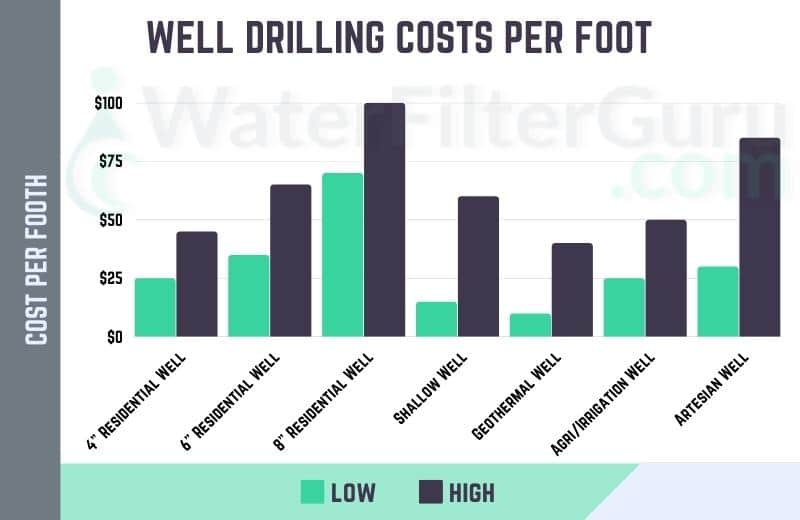 Drill Cost Per Hole at Kevin Davidson blog
Also, did you know wells can go dry? Not funny, I know. But a deeper well often has a more stable water supply. Meanwhile, shallow wells are cheaper but might suck up lawn chemicals and—plot twist—squirrel droppings. Drink responsibly!
DIY vs. Hiring a Pro: A Horror Story
Okay, let’s talk about the “I’ll do it myself” plan. Unless you previously worked on an oil rig or have a second career as a mole person, do not drill your own well. The rental equipment alone costs thousands, and one mistake can collapse 40 feet of dirt onto your head. That’s an expensive and very final mistake.
Hiring a licensed well driller is like hiring a surgeon for your backyard. They know the local geology, the laws, and how not to hit a gas line. Most companies charge a flat mobilization fee of $500 to $1,000 just to show up. Consider it the “convincing the rig to leave the garage” tax.
The Final Verdict (Where I Stop Joking… Mostly)
So, total for a fully functional well? Plan on $8,000 to $15,000 for everything—drilling, casing, pump, tank, and installation. If your soil is soft and your water table is shallow, you might scrape by for $4,000. If you live on a rock, double it.
But here’s the upside: after that cost, your water is free (minus electricity for the pump, about $20 a month). You’ll never pay another water bill. You can water your garden like a Roman emperor. And when the apocalypse comes, you’ll be sipping pristine H2O while your neighbors trade bottle caps for a sip of murky tap.
Just remember: a well might cost you a sofa’s worth of cash, but it buys you a lifetime of saying, “I get my water from the earth, thank you very much.” Now go get that hole. And maybe a raincoat.
