How Much Salt Does A Water Softener Need

So, you’ve got a water softener. Congratulations—you are now the proud owner of a glorified salt-eating robot that lives in your basement. It’s basically a Rube Goldberg machi...

So, you’ve got a water softener. Congratulations—you are now the proud owner of a glorified salt-eating robot that lives in your basement. It’s basically a Rube Goldberg machine that trades scummy bathtub rings for the endless chore of hauling 40-pound bags of salt from the grocery store. But the big question, the one that haunts every homeowner’s dreams, is this: how much salt does it actually need?
The Short Answer: It’s Not Rocket Science (It’s Worse)
Trust me, I wanted a magic number too—something like “three scoops every second Tuesday.” But your water softener is a diva. It doesn’t care about the calendar; it cares about how much calcium and magnesium you’ve been torturing it with. In general, a typical family of four uses about 40 to 50 pounds of salt per month. That’s roughly one bag of those giant, dusty pellets you swear you’ll carry in from the car tomorrow.
But here’s the kicker: that number is a lie if your water is made of pure evil. If you live in an area with “hard” water—which sounds like a 1990s hip-hop group but is actually liquid rock—you might need double that amount. Soft water areas? You might top off your tank once every three months and forget it exists, like that gym membership you signed up for in January.
Must Read
The Math of Mineral Misery
Your softener’s brain is a little valve that measures how many grains of hardness it has removed. Each grain of hardness consumes a specific amount of salt. Think of it like paying a bouncer: more tough guys (hardness) means more bribe money (salt). Here’s the party math: if your water has 10 grains per gallon and your family uses 300 gallons a day, your softener is wrestling with 3,000 grains of hardness daily. That’s a lot of wrestling.
For every 1,000 grains removed, your machine typically burns through about 0.5 pounds of salt during regeneration. So do the quick arithmetic: 3,000 grains a day means you’re eating 1.5 pounds of salt every 24 hours. Over a month, that’s 45 pounds. Ta-da! Unless your water is so hard it could scratch diamonds—then double it and call the plumbing exorcist.
Setting the “Salt Level” Without Losing Your Mind
Most softeners have a little dial or a digital screen that asks you to set the “salt dose.” This is where people panic and treat it like defusing a bomb. Don’t. If you set it too low, your water stays hard and your dishes look like a fossilized crime scene. If you set it too high, you’re just wasting money and dumping salt into your lawn—which, by the way, kills grass. Your grass will die, and your neighbors will think you’ve surrendered to the apocalypse.
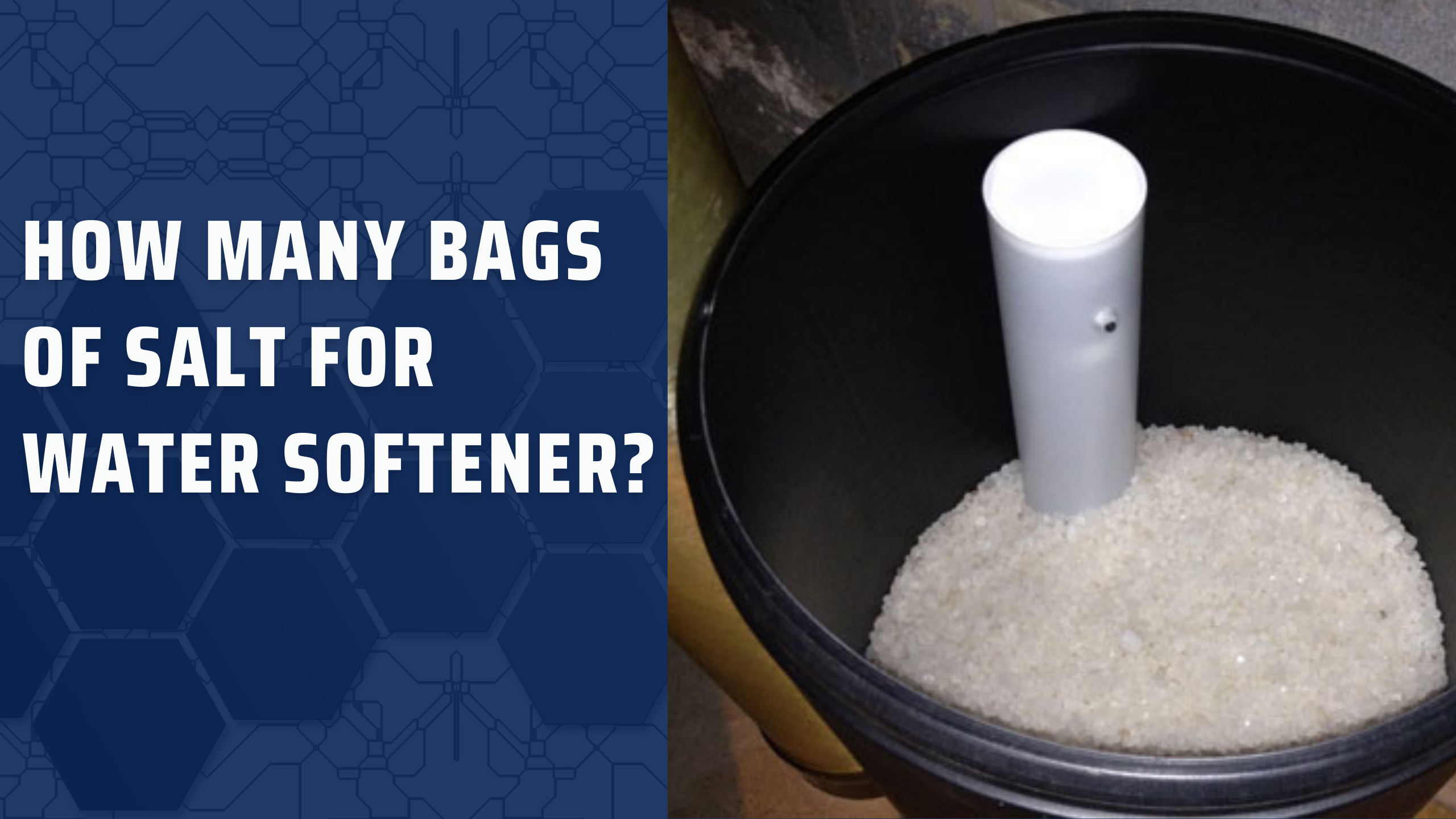 How Many Bags Of Salt For Water Softener? (Salt Quality Factors
The secret is to match the dose to your water’s specific hardness. You can buy a cheap test kit at the hardware store—it’s goof-proof. Dip a strip, watch it change color, and then compare it to a chart that looks like a sad rainbow. If your test reads 15 grains per gallon, set your softener to regenerate at a capacity that uses about 6-8 pounds of salt per cubic foot of resin. That’s the sweet spot: efficient, not wasteful, and your water will feel like a silk robe.
The “Bridging” Horror Show
Here’s a scary fact: salt can form a solid crust in your brine tank. It’s called “bridging,” and it looks like a stalactite gone rogue from a Temple of Doom movie. When a bridge forms, your softener has zero salt to work with, and your water goes back to being hard faster than you can say “soap scum.” The fix? Whack the side of the tank with a rubber mallet. Seriously. Science. If that fails, you have to break the crust with a broom handle. It’s the most satisfying and absurd chore you’ll ever do.
To avoid this nightmare, never let the salt level drop below one-quarter full. And always use pure evaporated salt pellets, not the cheap rock salt that looks like gravel from a cursed driveway. Rock salt is full of insoluble gunk that turns your brine tank into a swamp.
The Surprising Truth: You Can Use Too Little Salt
Imagine feeding your pet hamster a single piece of lettuce once a month. That’s your softener if you under-salt. Insufficient salt damages the resin beads—those tiny plastic balls that actually do the ion-swapping magic. Without enough salt to flush them, the beads get coated in hardness minerals and eventually become useless. Replacing them costs hundreds of dollars. Oof.
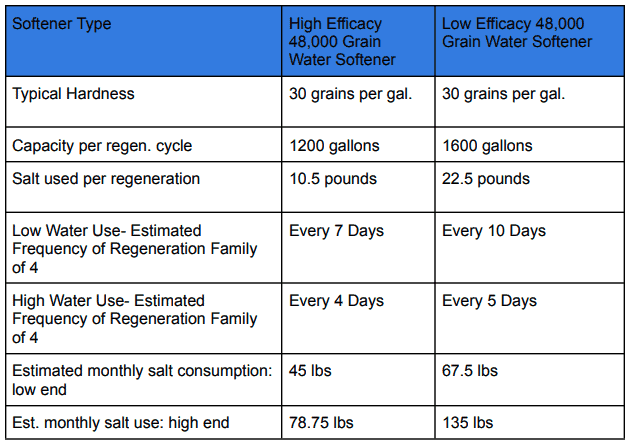 How Often to Add Salt to Your Water Softener | Team Austin
Here’s the punchline: you’re not saving money by skimping on salt. You’re just paying for it later, plus interest, with a side of angry plumber fees. Keep the tank topped off, and your beads will live forever. Or at least for 15 years, which is basically forever in home-appliance years.
When to Add Salt (and When to Panic)
Check your salt level once a month. Open the lid, look inside, and ask yourself, “Is there at least a foot of salt above the water?” If yes, you’re fine. If no, add a bag. If you see green algae floating on top, your tank is a biohazard. That means the humidity in your basement is too high, and you need to clean the brine tank with bleach and a prayer. Also, buy a dehumidifier—your softener is not a swimming pool.
One more weird fact: your softener uses more salt when you go on vacation. Why? Because if your family leaves for two weeks, the water sits still in the pipes. When you return, the softener thinks, “Ah, new guests!” and runs an unnecessary regeneration, wasting salt. The fix: put the unit in “vacation mode” before you fly to Cancún. Your resin beads will thank you silently.
The Final Scoop
How much salt does a water softener need? Enough to keep your resin beads happy, your shower squeaky, and your glasses spot-free. That usually means a bag a month, but check your hardness and your settings. Don’t overthink it—you’re not a chemical engineer. You’re just a person trying to have nice hair. And if you ever see a crusty bridge in your brine tank, remember: a rubber mallet is cheaper than a therapist. Now go pour a glass of soft water, toast to your salt-hauling muscles, and carry on.
