How Much Water Does A Water Softener Use

Let’s be honest: nobody buys a water softener because they’re excited about the mechanics. You buy one because your hair feels like straw, your dishes look cloudy, and your sh...
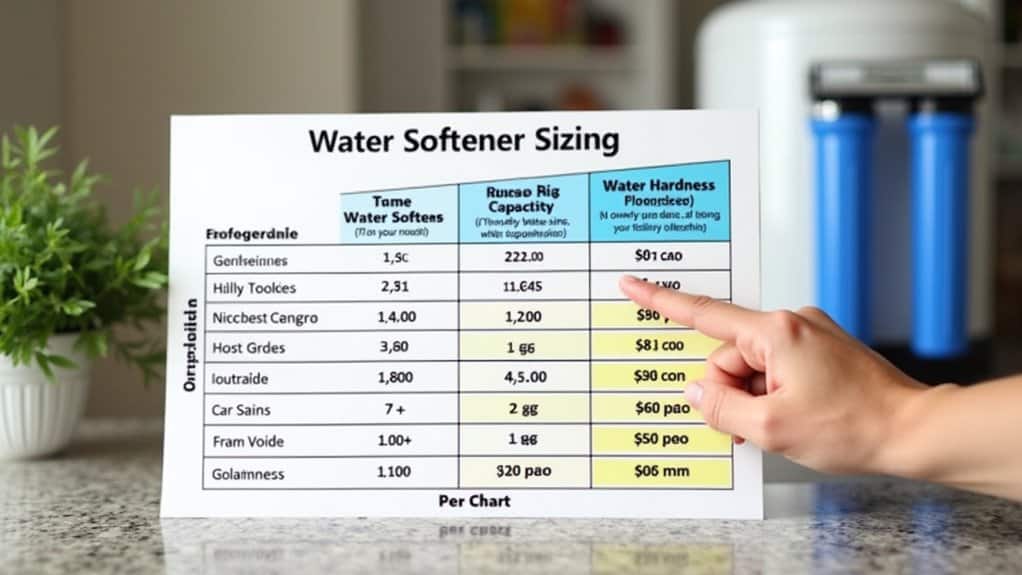
Let’s be honest: nobody buys a water softener because they’re excited about the mechanics. You buy one because your hair feels like straw, your dishes look cloudy, and your showerhead has a personal vendetta against you, clogging up every few months. So when you hear that a water softener uses extra water, your first thought is probably, “Great, another bill to worry about.” But take a deep breath. It’s not as scary as it sounds, and the trade-off is actually pretty sweet.
Think of your water softener like a very helpful, slightly thirsty friend. It works by swapping out hard minerals like calcium and magnesium for sodium or potassium ions. But to do that, it needs to flush itself clean every few days in a process called regeneration. And yes, that flush uses water—typically between 20 and 60 gallons per regeneration cycle, depending on your system’s size and settings. For most households, that adds up to about 2% to 5% of your total monthly water usage.
The "Oh, That’s All?" Reality Check
Let’s put that number into context. A single ten-minute shower with an old-school showerhead can use around 20 gallons—the same amount your softener might use for one whole regeneration. Leaving the faucet running while you brush your teeth for two minutes? That’s roughly 4 gallons down the drain. And washing one load of dishes by hand? You can easily burn through 15 to 30 gallons, especially if you’re the type who lets the water run hot while you scrub.
Must Read
Now imagine your softener doing its regeneration thing. It’s not running all day, every day. Most modern units regenerate weekly or even every two weeks, usually in the middle of the night when nobody cares. So that 40-gallon flush is a one-time deal, not a constant trickle. You use more water trying to scrub soap scum off a glass shower door than your water softener does in a month.
Why You Should Actually Care (The Fun Parts)
Here’s where the story gets warm and fuzzy. When you stop fighting hard water, your life gets noticeably easier. Your soap actually lathers, so you use less shampoo and body wash. Your laundry detergent works like a charm, meaning your favorite T-shirts don’t fade into sad, gray ghosts. And that glorious feeling of washing your hands and having them feel clean instead of squeaky and sticky? That’s the soft water magic.
But the real win is your appliances. Hard water is like kryptonite for water heaters, dishwashers, and washing machines. It builds up scale, making them work harder and die younger. By using a little extra water to regenerate, your softener helps your water heater run more efficiently, saving you energy. If you’ve ever replaced a broken water heater, you know that bill is no joke. Suddenly, the softener’s water use feels like a tiny price for appliance longevity.
 How much Water do Water Softeners Waste? (Function Guide) - CharlieTrotters
Picking the Right "Thirst Level" for Your Home
Not all water softeners are created equal. Older models are the guzzlers—they run on a timer and regenerate whether you need it or not, like a friend who insists on refilling your glass even when you’re done. Newer units are smarter. They use a meter to track your actual water usage and only regenerate when the resin is truly exhausted. These units often use 30% to 50% less water than old-school timers.
If you’re really green-minded, look for a high-efficiency model. Some can regenerate using as little as 15 gallons per cycle, which is basically a single flush of an old toilet. And many allow you to adjust the salt and water settings based on your water hardness. It’s like customizing your coffee order—just the right amount of everything, no waste.
Should You Stress About It? Nah.
Let’s do the math for a typical family of four. Without a softener, you might use 8,000 to 10,000 gallons of water per month. A softener flushing 40 gallons once a week adds about 160 gallons a month. That’s roughly the amount you’d use for two extra loads of laundry. If you’re like me, you probably run a load of towels you forgot in the washing machine anyway, so that extra water is hardly noticeable.
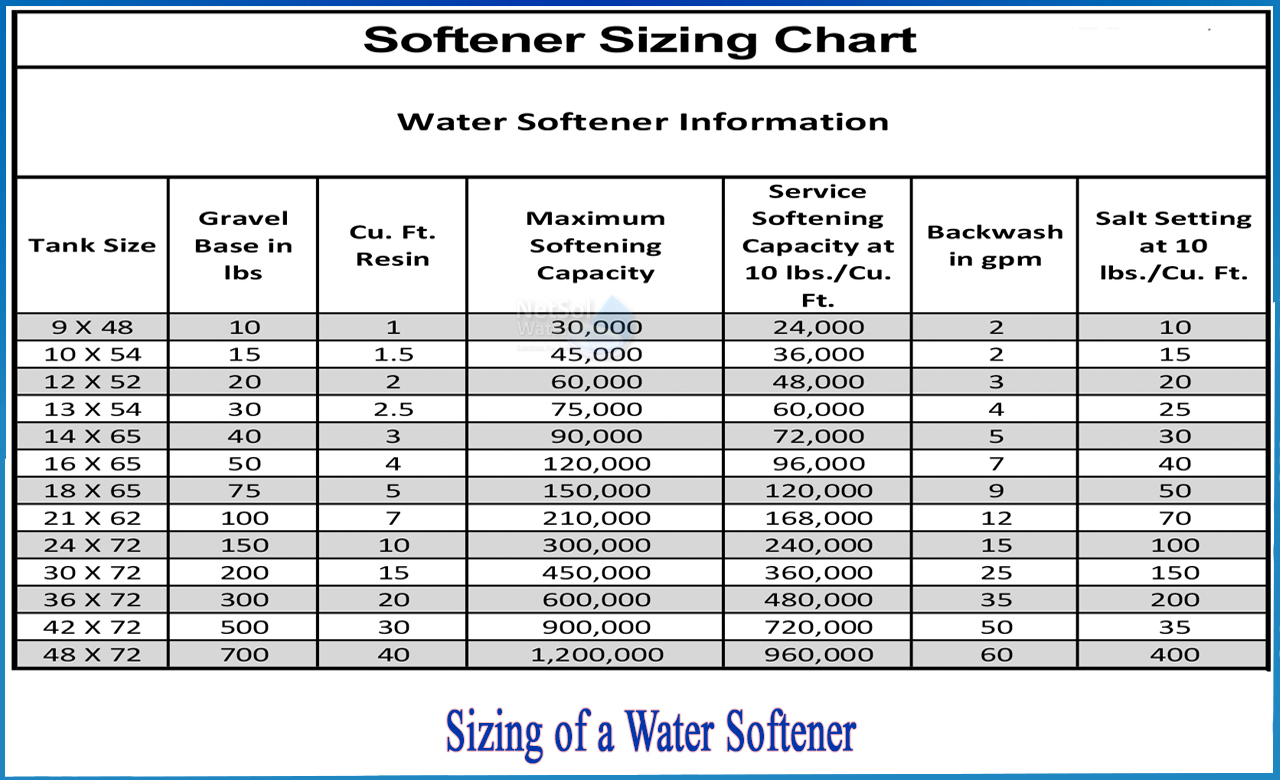 How Much Water Does A Resin Softener Use? – VIIIG
And here’s a little secret: hard water wastes water too. Think about it. You have to rinse dishes multiple times to get spots off. You run the shower longer trying to get soap out of your hair. You leave the faucet running while you wait for limescale crust to dissolve from your kettle. Soft water makes everything rinse cleaner, faster, and with less effort. So in a weird twist, your softener’s regeneration water is actually a net positive for your overall water footprint.
A Little Story to Wrap It Up
My neighbor, Dave, was stubborn about his old beige water softener. He kept it on a timer from 1992, thought he was “saving water” by not upgrading. His poor washing machine died after four years. He replaced it with a high-efficiency model that uses less water per load. Then, last month, I spotted him on his porch, sipping coffee and reading the manual for a new softener. “Got tired of buying new appliances,” he said, shrugging. “And this one only uses 18 gallons per regen. I’ll take that over buying a new dishwasher every five years.” Dave gets it now.
So don’t let the water usage number scare you. Your water softener is not the enemy—it’s the unsung hero of your plumbing system. It uses a little, saves a lot, and makes your morning coffee taste better because your kettle isn’t crusty. That’s a trade I’ll take any day. And if you’re still worried, just remember: your neighbor’s sprinkler system wastes more water in an afternoon than your softener does all month. Go easy on yourself—and your softener.
