How Much Water Should Be In A Brine Tank

Let’s be honest: your water softener’s brine tank is kind of like that forgettable cousin at a family reunion—you know it’s there, doing something important, but you rarely as...
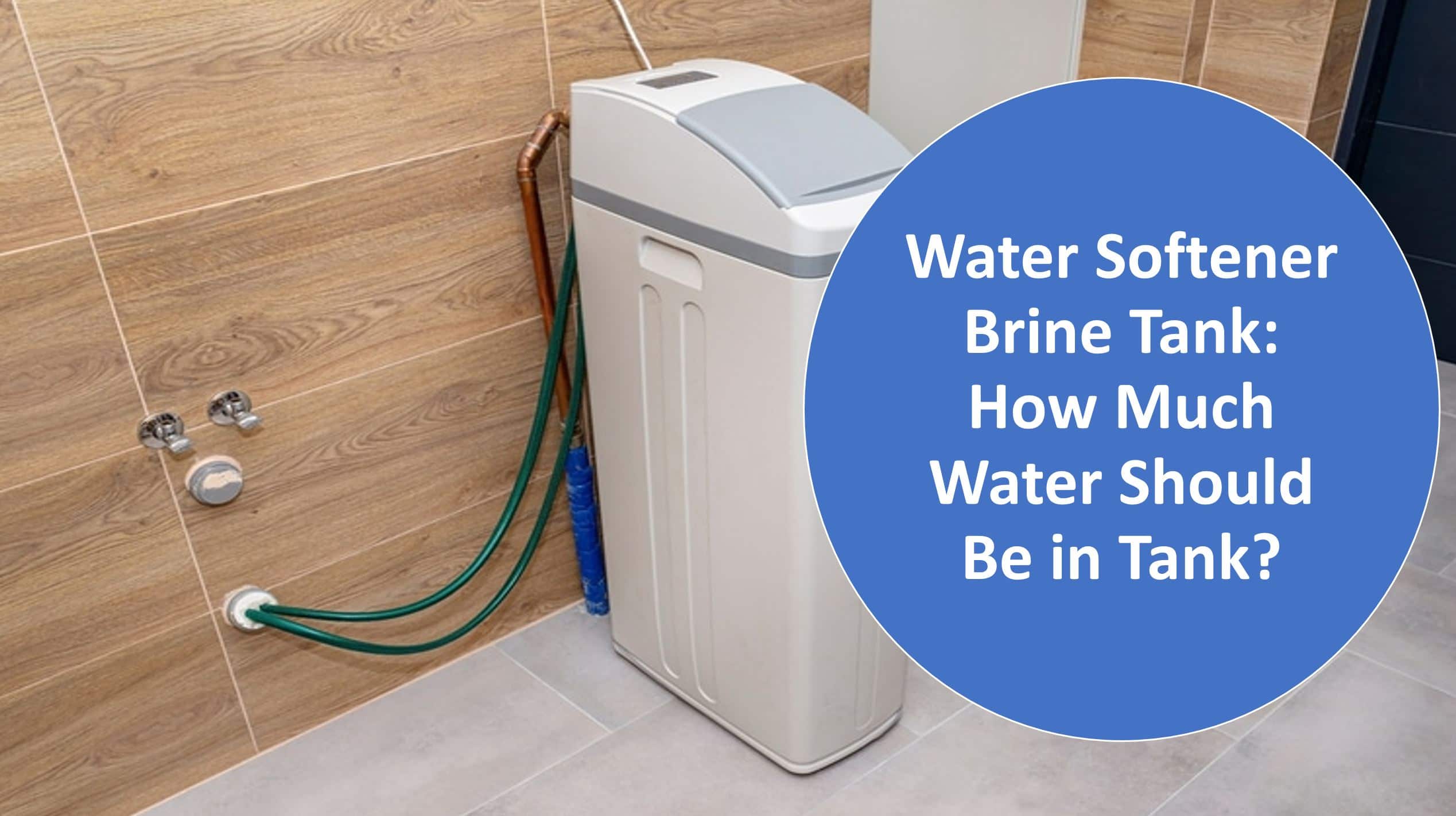
Let’s be honest: your water softener’s brine tank is kind of like that forgettable cousin at a family reunion—you know it’s there, doing something important, but you rarely ask how it’s doing. Then one day, the water tastes weird or your dishes come out looking like a Jackson Pollock painting, and suddenly you’re Googling “brine tank water level” at 10 PM. I’ve been there, flashlight in hand, staring into a plastic bin like it holds the secrets of the universe. Spoiler: it does, but the secret is mostly just about not overthinking it.
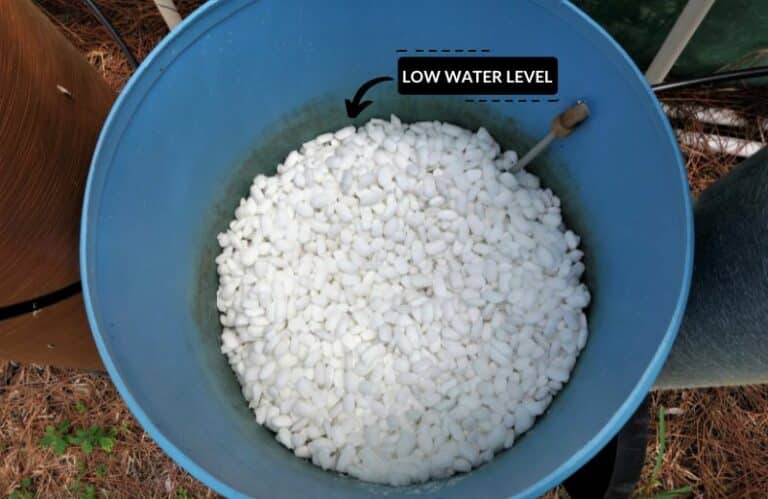
First, let’s get the boring part out of the way. The brine tank is where the magic salt-water mix lives, and it needs just enough water to do its job without turning your basement into a saline swimming pool. Ideally, you want about six to eight inches of water in the bottom of the tank, sitting right on top of the salt. If you lift the lid and it looks like a kiddie pool after a summer rain—too much. If it looks like a dry martini glass with a salt rim—too little. Your softener is basically Goldilocks, and you’re the annoyed parent trying to get it just right.
Here’s where the everyday life kicks in. I once ignored my brine tank for so long that when I finally checked, the salt had crusted over into a solid brick of chalky misery. It looked like a giant salt-lick for a deer that somehow got into my utility closet. I had to chisel it out with a screwdriver while muttering words my grandmother would not approve of. The lesson? Check the water level every time you add a bag of salt. Seriously, it takes thirty seconds, and it saves you from becoming a contestant on “Extreme Home De-Salination.”
Must Read
What happens when there’s too much water?
Picture this: you’re making coffee, and the water tastes like you’re sipping from a sea-salt caramel candle—only less pleasant. That’s what happens when your brine tank is overfilled with water. The softener can’t regenerate properly, so it just dumps extra salty water into your pipes, and suddenly your morning shower feels like you’re rinsing off in the Dead Sea. It’s not the spa experience you hoped for.
Too much water also means your salt dissolves too fast. That’s like buying a bag of chips and finding it half-empty before you even open it—disappointing and expensive. Plus, if the water level rises above the salt bed, you get “salt bridging,” where the top layer of salt hardens into a crust. You’ll be jabbing at it with a broom handle, convinced your softener is haunted. Pro tip: if you hear a dull thud instead of a splash, you’ve got a bridge.
 How Much Water Should Be in My Water Softener Brine Tank?
What about not enough water?
Now imagine you’re making a soup, but you forgot to add the broth. That’s your brine tank with too little water. Without enough water to dissolve the salt, your softener just sits there, tired and useless, while hard water minerals party all over your faucets. You’ll notice your skin feels like sandpaper, and your laundry comes out stiff enough to stand up on its own. I once wore a shirt that could have doubled as cardboard. My wife said I looked “crispy,” which is not a compliment for clothing.
The fix is simple: if the water level is below the salt, you need to add water manually. Don’t panic—just pour in a couple of gallons of tap water until it’s about an inch above the salt. It’s like giving your softener a nice, hydrating drink after a long day. Some modern tanks (especially those with a “dry brine” system) barely need any water at all, but for most of us with a standard setup, that six-to-eight-inch rule is your best friend.
 How much water should be in my brine tank: real numbers
How to check without losing your mind
Lift the lid and look. I know, groundbreaking advice. But do it when the softener isn’t in the middle of a regeneration cycle (usually at 2 AM, when it decides to wake the whole house). If you see salt and a puddle of water, you’re golden. If you see a swamp with floating salt islands, you’ve got too much water. If you see a dry desert of salt, add a gallon or two. It’s that easy. I set a reminder on my phone for the first of every month, titled “Check the brine, you lazy potato.” It works.
One more thing: don’t confuse the brine tank with the resin tank—they’re roommates, but they don’t share everything. The brine tank is the one with the salt, and it’s usually the bigger, sadder-looking plastic tank. The resin tank is the tall, metallic cylinder that looks like a mini water heater. If you pour water into the wrong tank, you’ll have a very different, very expensive problem. I speak from experience, and my plumber still laughs about it.
So here’s the takeaway: your brine tank is a simple creature with simple needs. Give it a little water—not a flood, not a drought—and it will reward you with soft towels, clear glasses, and skin that doesn’t feel like a reptile. Ignore it, and you’ll be chiseling salt bricks and Googling repair videos at odd hours. Check the water, add some salt, and move on with your life. You’ve got better things to do than argue with a plastic tub of salt, right?
