How To Get Rid Of Bacteria In Well Water

So, you’ve got a well. Congratulations! You’re officially living the country dream—until you take a sip of that crisp, cool water and it tastes like a muddy sock left in a rai...

So, you’ve got a well. Congratulations! You’re officially living the country dream—until you take a sip of that crisp, cool water and it tastes like a muddy sock left in a rain barrel. Suddenly, your morning coffee smells like a swamp, and your perfectly white laundry comes out looking like a Civil War reenactment uniform. Yep, you’ve got bacteria in your well water, and it’s time to kick those microscopic party crashers out.
First, let’s get one thing straight: bacteria in well water is about as common as bad Wi-Fi at a cabin. It happens to the best of us. Maybe a heavy rain flooded your well cap, or a critter decided your well was the perfect spot for a bathroom break. Whatever the cause, don’t panic—you’ve got this. Think of it as a household chore, like cleaning the gutters, but with a little more science and a lot less ladder.
The Shock Treatment: Chlorination
The most classic way to nuke bacteria is shock chlorination. Imagine pouring a giant bottle of bleach—like, seriously, a lot of bleach—down your well, then running every faucet until you smell a swimming pool. It’s like giving your entire water system a hot bath with industrial-strength disinfectant. You’ll have to let it sit for 12 to 24 hours, so plan ahead for a day of no water. That means no showers, no laundry, and definitely no drinking. Treat it like a staycation in your own home, except you’re the one doing the scrubbing.
Must Read
After the waiting game, you flush the system by running all the outdoor hoses until the chlorine smell disappears. Pro tip: Don’t do this on a dry lawn unless you want a patch of grass that looks like it’s auditioning for a zombie movie. Also, please avoid pouring the bleach directly into a well with a metal casing or pump that’s not rated for chlorine. A quick chat with a well pro can save you from a very expensive mistake.
Upgrade Your Filtration Game
Shock chlorination is a quick fix—like taking a sledgehammer to a mosquito. But if bacteria keeps coming back, you need a permanent filtration system. Enter the UV (ultraviolet) light filter. It’s basically a lightbulb that zaps bacteria into oblivion as water flows past. Imagine a sun tan for your water, except it’s lethal to germs. No chemicals, no smells, just pure, science-y magic. It’s perfect for the lazy genius who wants to set it and forget it.
Another option is a reverse osmosis (RO) system, which is like a bouncer at a club. It forces water through a super-fine membrane, letting only the good stuff through while bacteria, viruses, and dirt get rejected. The downside? It wastes a little water, but if you’re tired of boiling everything, it’s a game-changer. Pair it with a basic sediment filter, and you’ve got a fortress against well-water invaders.
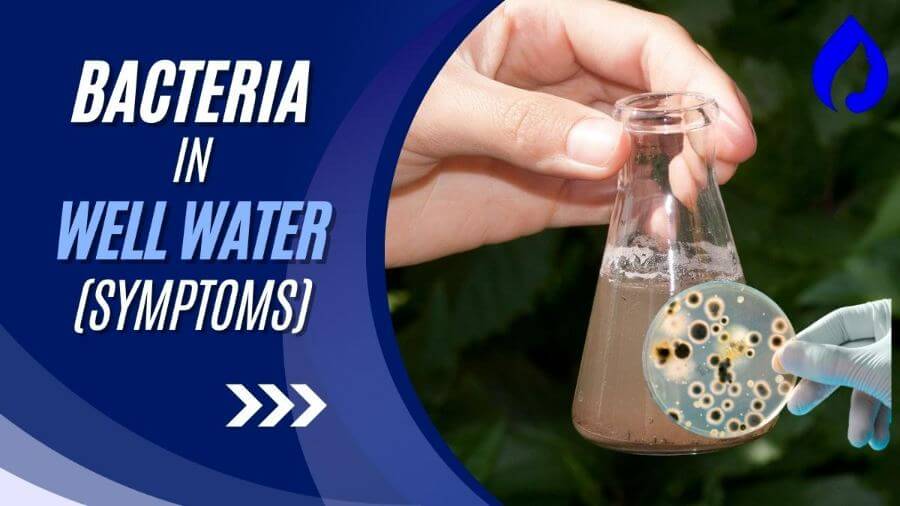 Bacteria In Well Water
Put a Lid on It: Fixing the Source
Here’s a painful truth: you can’t keep bacteria out if your well cap is cracked. I once found a dead frog inside my well cap, and let me tell you, that frog left a legacy that no amount of bleach could erase. Check your well cap for gaps, rust, or loose seals. If it looks like it survived a frat party, replace it. Also, make sure the ground around your well slopes away from the casing so rainwater doesn’t run right into your drinking supply. It’s basic civil engineering, but your taste buds will thank you.
While you’re at it, inspect the area for any mystery pipes or open valves. Old wells sometimes have unused ports that collect dirt and bugs. Plug them up like you’re patching a leaky boat. A little caulk and a prayer can go a long way.
The Bleach Alternative: Hydrogen Peroxide
If the smell of bleach gives you nightmares, try hydrogen peroxide. It’s like the gentle hippie cousin of chlorine—it kills bacteria just as well, but breaks down into oxygen and water. You can install a feed system that drips peroxide into your well pump. No harsh fumes, no swimming pool taste. Just remember to use food-grade peroxide; the brown bottle stuff from the pharmacy is for cuts, not your drinking supply. Your water will thank you, and so will your laundry—no more bleach-streaked T-shirts.
 Viqua UV Light Water Filter | How To Get Rid of Bacteria In Well Water
Testing, Testing, 1-2-3 Bacteria
Before you go on a chemical rampage, test your water. Buy a simple bacteria test kit from a hardware store or send a sample to a lab. It costs about $20, which is cheaper than drinking swamp juice for a month. If the test comes back positive for E. coli or coliform bacteria, don’t panic—it just means you have work to do. After you treat the water, test again in two weeks. If it’s still positive, call a professional. Some bacteria are like stubborn houseguests who won’t leave until you change the locks.
Speaking of pros, don’t be shy about hiring a well contractor. I once spent three days shocking my well, only to realize the pump had a leak that was letting in mud. A pro fixed it in an hour. Sometimes the best move is to admit you’re out of your depth and let someone else get their hands dirty. Your water—and your sanity—is worth it.
Prevention: The Boring But Effective Route
Here’s the secret: preventing bacteria is way easier than killing it. Test your water every spring, ideally after a heavy rain. Keep the area around your well clear of manure, fertilizer, and leaf piles. If you have a septic system, make sure it’s at least 50 feet away from your well. And please, don’t dump expired milk or old chicken soup down the drain near your well—bacteria love a buffet. Think of your well like a favorite coffee mug: you wouldn’t leave it in the sink for a week, so don’t ignore the water source that keeps your morning caffeine flowing.
Finally, trust your nose and your gut. If your water smells like rotten eggs (sulfur) or tastes metallic, it’s not just bacteria—it could be iron or sulfur-reducing microbes. But if it smells like wet earth or has a slimy feel, bacteria is probably partying in your pipes. A quick shock treatment or a UV filter will clear it up. And if all else fails, remember: you can always boil water for a few days. It’s tedious, but it beats drinking from a puddle. Your well water journey is a saga, but with a little bleach, a UV light, and a well cap that actually fits, you’ll be sipping sweet, bacteria-free water in no time. Cheers to that—just make sure your glass is clean first.
