Why Is Decaffeinated Coffee Bad For You

My friend Jenna swore by decaf. She’d order a grande, no whip, with a sheepish grin, muttering, “I just love the ritual.” One day, she handed me a cup, and after two sips, my...
My friend Jenna swore by decaf. She’d order a grande, no whip, with a sheepish grin, muttering, “I just love the ritual.” One day, she handed me a cup, and after two sips, my heart was doing the salsa. That shouldn't happen with decaf, right? Turns out, the chemical dance behind that “safe” cup is a lot messier than Starbucks lets on.
The Nasty Business of Removing Caffeine
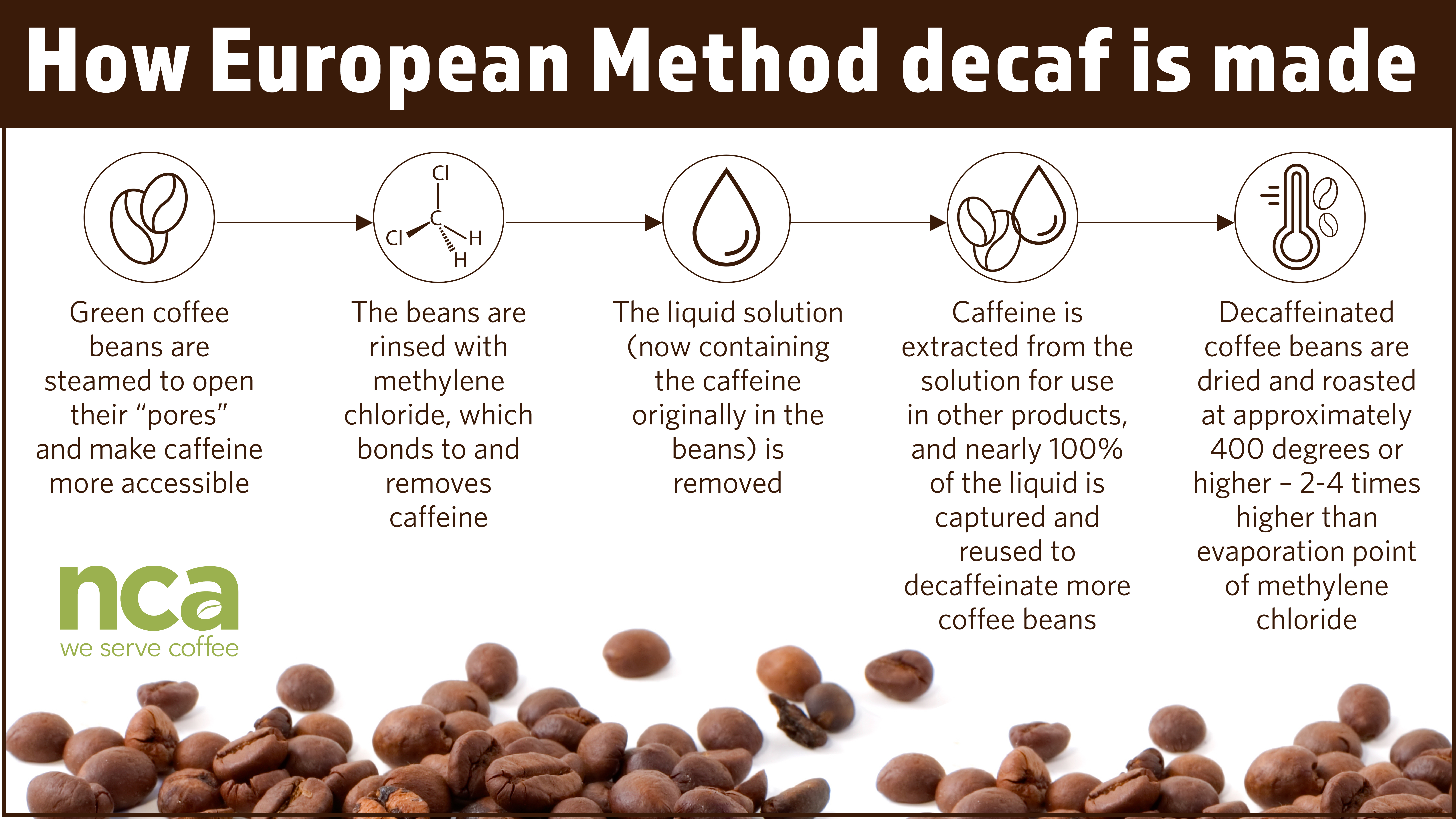
Here’s the dirty secret: to get the caffeine out, they have to drench the beans in chemicals. The most common method uses methylene chloride—a solvent also found in paint stripper and some adhesives. Mmmm, nothing says “morning brew” like a hint of industrial glue, am I right? (I’m being a bit dramatic, but only a bit.)
Proponents say it evaporates at high heat, but traces often linger. The FDA allows up to 10 parts per million—so you’re not chugging pure poison, but you’re also not drinking pure bean juice. Your liver doesn't love processing that extra chemical load, especially if you’re having a few cups daily.
Must Read
Wait, Don’t 'Natural' Methods Sound Better?
You’ll see “Swiss Water Process” on fancy bags and think, ah, pristine! And yes, it’s cleaner—but here’s the kicker: decaf, even natural, is still stripped of protective compounds. Coffee’s health halo comes from antioxidants like chlorogenic acid. The decaffeination process washes a lot of that away. So you’re left with a drink that tastes… sad.
Plus, many “natural” decafs still use ethyl acetate, which is derived from fruit but also made synthetically. Don’t get me started on the marketing spin—it’s not “fruit water magic,” it’s lab chemistry in a marketing costume.
Your Gut and Hormones Say 'No Thanks'
I love my regular coffee—it wakes me up and gets things moving (you know what I mean). Decaf? It often stresses out your gut in a different way. The leftover chemical compounds can irritate your digestive lining, leading to bloating or weird heartburn. Not the cozy “let’s curl up on the couch” vibe you wanted, is it?
Then there’s the hormone hijack. Some studies suggest that decaf, because of how it interacts with your adrenal system, can trick your body into thinking it needs cortisol. You get a phantom anxiety rush—a jitter without the focus. That’s just the universe trolling you for trying to be “responsible.”
 Decaf Coffee Bad For You
The Acid Trip That Never Ends
Let’s talk acidity. Both regular and decaf coffee are acidic, but decaf beans are often more acidic because of the processing. If you have acid reflux or sensitive teeth, you’re basically volunteering for a tiny chemical burn with every sip. Your enamel will send you a passive-aggressive note someday.
“But I drink it with oat milk!” Good for you—still, the acid base is there. And that milk? It can curdle in the stomach if the decaf’s pH is too low. Fun breakfast, huh?
The Real Caffeine Trap
Here’s the ironic part: decaf isn’t caffeine-free. It has about 2–15 mg per cup, down from 95 mg. So if you’re truly avoiding caffeine for medical reasons, you’re still getting a little buzz. That’s fine for most people, but it can add up if you drink three or four cups because you think it’s “harmless.”
I call it the deceitful sipper effect. You drink more because it feels innocent, then wonder why you can’t sleep at night. Spoiler: it’s not the regular espresso you had at noon—it’s the three decaf lattes you had during your “relaxing” afternoon.
 Decaf Coffee Bad For You
But Wait, Is All Decaf Evil?
Of course not. If you really love the taste (and can handle the chemicals), a decaf once in a while won’t kill you. The problem is the false promise—that it’s a “healthy” alternative to regular coffee when it’s often just regular coffee’s weird, chemically-stripped cousin.
I’d rather see you have one small cup of the real stuff than three of the fake stuff. Your body processes caffeine better than it processes leftover solvents. It’s the dose that makes the poison, as they say.
So, What’s a Caffeine-Sensitive Person to Do?
If you’re cutting caffeine for sleep or anxiety, consider herbal tea or a half-caff blend (mix regular beans with decaf at home). Or just embrace the ritual without the drink—try hot water with lemon, or a golden milk latte. You don’t need to be a martyr who drinks something that makes your stomach grumble while your brain feels foggy.
And if you do stick with decaf, at least buy Swiss Water Process from a roaster you trust. Know what you’re drinking, don’t just trust the “decaf” label. Because, as my friend Jenna learned after that heart-racing cup, sometimes the safest-looking choice is hiding the wildest story.
—Your friendly, slightly jittery barista friend
