Does Catalytic Carbon Remove Chloramine

Let’s talk about chloramine. It’s the superhero of tap water. It kills germs in your pipes. But it tastes like a swimming pool’s angry cousin. You might have heard of catalyt...
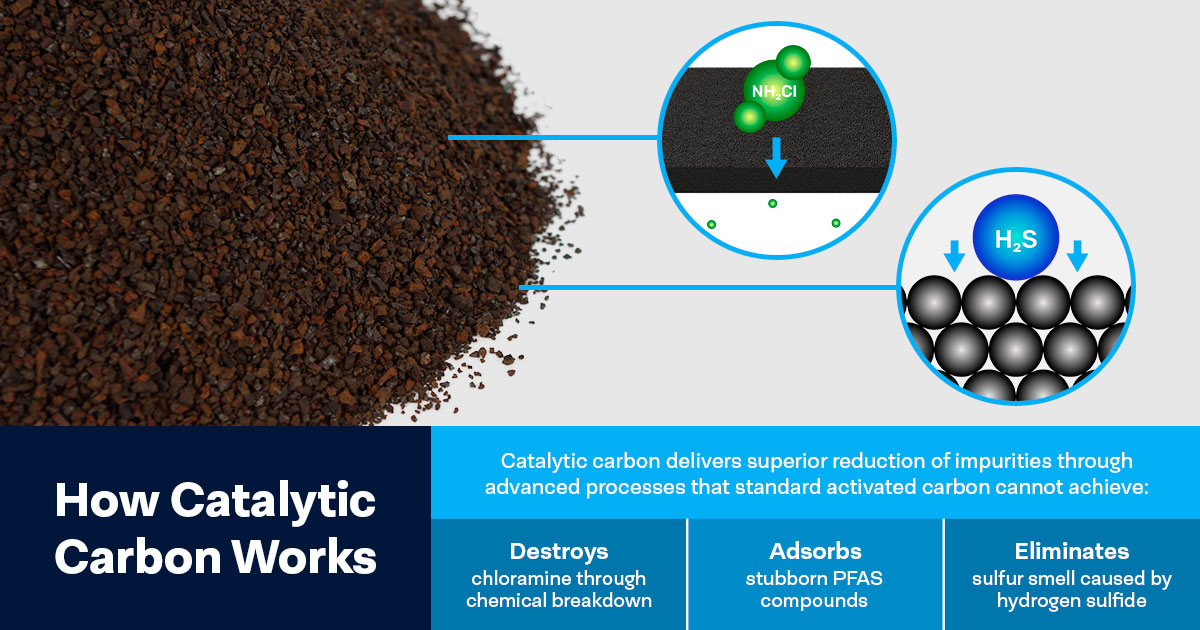
Let’s talk about chloramine. It’s the superhero of tap water. It kills germs in your pipes. But it tastes like a swimming pool’s angry cousin.
You might have heard of catalytic carbon. It’s a fancy filter material. And it has a superpower: removing chloramine.
But does it really work? Oh, absolutely. It’s like a tiny bouncer for your water. Chloramine gets kicked out fast.
Must Read
What even is chloramine?
Chloramine is chlorine plus ammonia. Yes, the same ammonia in cleaning products. City water plants add it to keep you safe.
But it’s stubborn. Regular carbon filters struggle. Chloramine laughs at them. It slips right through.
That’s where catalytic carbon steps in. It’s carbon on steroids. Sort of. It’s been treated to be extra reactive.
The science part (but fun)
Imagine a sponge with tiny magnets. That’s catalytic carbon. It grabs chloramine and tears it apart.
The ammonia gets left behind. That’s okay—your body handles it fine. The chlorine becomes harmless chloride. Science for the win.
Quirky fact: It works because of redox reactions. That’s just a fancy word for electron swapping. Like trading Pokémon cards, but with atoms.
Why should you care?
Because chloramine is nasty to fish. If you have an aquarium, this is huge. Fish gills get burned. Your Betta won’t thank you.
It also messes with kidney dialysis patients. And some people get rashes from showering in it. Not fun.
But for most of us? It just tastes weird. And it kills the flavor of your morning coffee. Tragic, really.
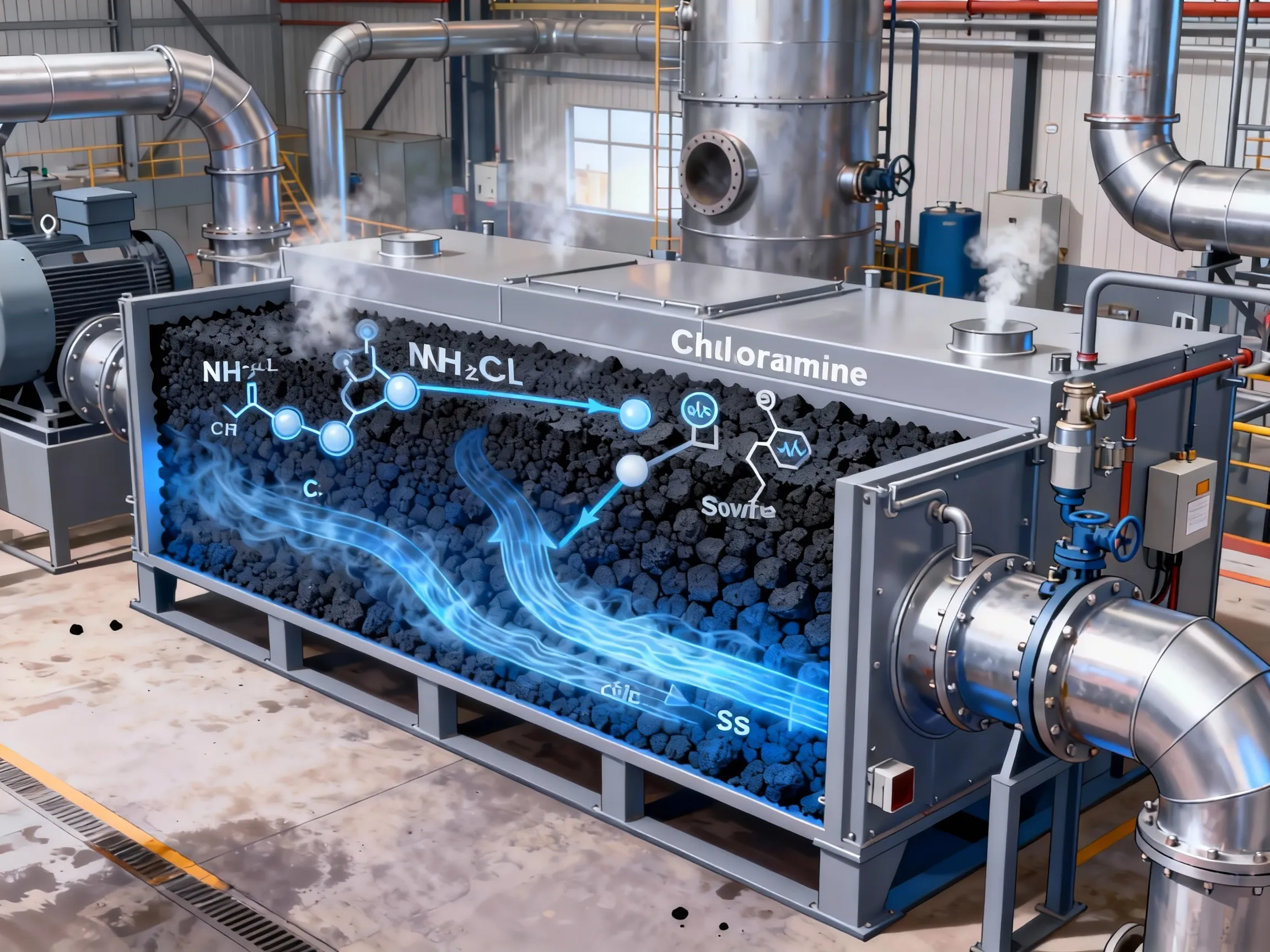 Catalytic Activated Carbon Manufacturer - Tanke Carbon
Catalytic carbon vs. regular carbon
Regular carbon is like a lazy friend. It picks up some stuff, but not chloramine. It gives up too quickly.
Catalytic carbon is the overachiever. It works faster and lasts longer. It doesn’t get tired of the job.
You can find it in expensive water filters. Or you can buy it loose. It looks like black gravel. Very exciting, right?
The funny catch
Catalytic carbon loves oxygen. It needs a little air to work. If your filter is submerged, it might get bored. Performance drops.
So some filters let it breathe. They “backwash” it with air. It’s like giving your filter a coffee break.
Also, it doesn’t remove everything. It’s a specialist. Chloramine? Yes. Heavy metals? Eh, not so much. You need other filters for that.
Real-world test
People use it in whole-house filters. They swear by it. “My water no longer smells like a pool,” they say. Victory.
Aquarium owners are obsessed. They test their water religiously. One drop of chloramine can stress a fish out. Catalytic carbon saves the day.
Funny story: A guy once tried using it in a Brita pitcher. It clogged instantly. Don’t do that. Use the right gear.
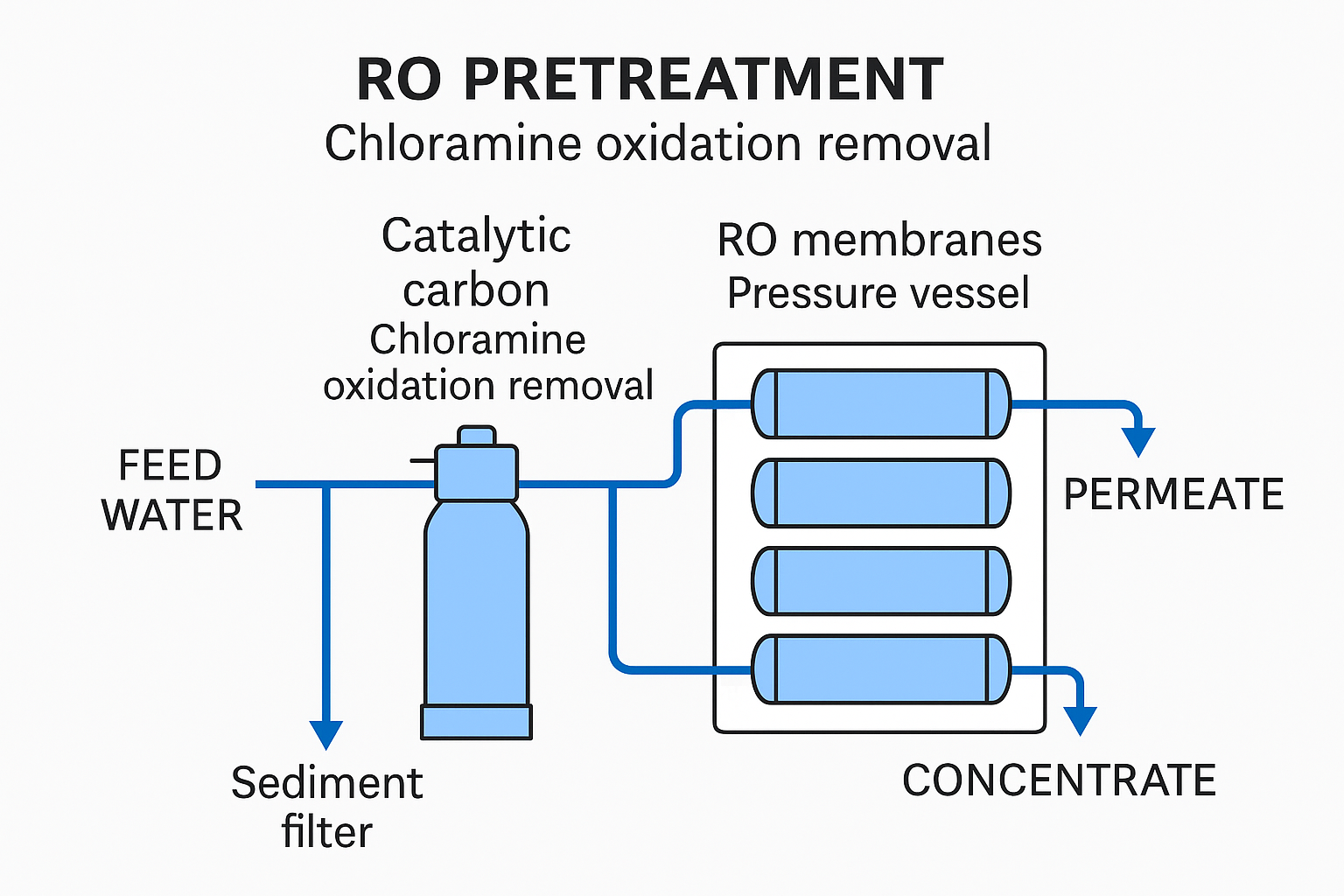 Reverse Osmosis Pretreatment with Chloramine: Catalytic Carbon
But is it worth it?
If your city uses chloramine, yes. Check your water report. Many big cities do. Los Angeles, New York, Washington DC—all of them.
You’ll pay more for catalytic carbon. Maybe $100 for a decent filter. But think of the golden, smooth coffee. And the happy fish.
Also, it’s reusable. You can recharge it. Bake it in the oven? No, don’t do that. But some people soak it in salt water. Weirdly effective.
The final verdict
Does catalytic carbon remove chloramine? Yes. It’s the champ. The MVP of water filtration.
But remember: it’s not magic. It needs proper contact time. Water has to sit with it for a bit. Like making tea, but faster.
So if you hate pool-tasting water, get some. Your taste buds will thank you. And your fish will throw you a party. A tiny, fin-flapping party.
One last quirky fact: Catalytic carbon also removes ozone. Ozone is another water treatment chemical. It smells like lightning after a storm. Cool, but not for drinking.
So go ahead. Be a water nerd. Ask your friends: “Does catalytic carbon remove chloramine?” Watch them stare blankly. Then tell them. You’re now the expert.
And if they don’t care? Pour them a glass of unfiltered water. Let them taste the difference. They’ll become believers. Eventually.
Water is life. Chloramine is a necessary evil. But with catalytic carbon, you can have the good life without the evil. Cheers to that.
