Does Not Drinking Water Cause Headaches

Let’s be honest: you’re probably reading this with a slight throb behind your left eye. That dull, insistent ache that makes you wonder if you’re dehydrated, stressed, or just...

Let’s be honest: you’re probably reading this with a slight throb behind your left eye. That dull, insistent ache that makes you wonder if you’re dehydrated, stressed, or just tired of adulting. It’s a modern mystery—until you realize you haven’t touched a glass of water since your morning coffee.
The short answer is yes, not drinking enough water can absolutely cause headaches. Your brain is roughly 73% water, so when you skimp on fluids, that precious organ actually shrinks slightly. This temporary shrinkage pulls on the membranes surrounding your brain, triggering pain receptors and—bam—hello, headache.
The Dehydration-Headache Connection
Think of dehydration as your body’s low-battery warning. When you’re running on empty, your blood volume drops, and less oxygen reaches your brain. Your brain’s blood vessels then dilate (widen) to compensate, which presses on surrounding nerves.
Must Read
That pressure is what we call a hydration headache—typically a dull ache at the front or back of the head, not the stabbing kind. It’s your body’s most polite way of saying, “Hey, I’m parched over here.”
Culturally, we’ve turned this into a meme: “Drink water, Karen.” But there’s real science behind that joke. Even mild dehydration—a loss of just 1-2% of your body weight in fluids—can trigger headaches and impair concentration.
Fun Fact: The Hangover Headache
Ever wonder why a night out leaves you with a pounding morning brain? Alcohol is a diuretic, meaning it forces your kidneys to flush out more water than you’re drinking. Combine that with the fact that alcohol suppresses vasopressin (an anti-diuretic hormone), and you’re basically speed-running toward dehydration.
The classic “hangover headache” is largely a dehydration headache dressed in a glittery dress. That’s why the best hangover cure isn’t greasy bacon—it’s water, maybe with some electrolytes.
But Wait—Is It Always the Water?
Not every headache is a cry for hydration. Tension headaches, migraines, and sinus issues have different causes. However, dehydration can amplify any type of headache, making moderate pain feel like a ten.
Think of water as the base layer of your pain management wardrobe. If you skip it, everything else—sleep, food, stress reduction—starts to unravel. Hydration isn’t a cure-all, but it’s a foundation.
So, does not drinking water cause headaches? Yes—specifically, it can cause primary dehydration headaches. But it can also worsen migraines or tension headaches that would have been manageable otherwise.
Practical Tips for the Modern Under-Hydrator
1. Don’t always trust thirst. By the time you feel thirsty, you’re already about 1-2% dehydrated. That’s the headache danger zone. Instead, sip water consistently throughout the day—aim for a small glass every hour.
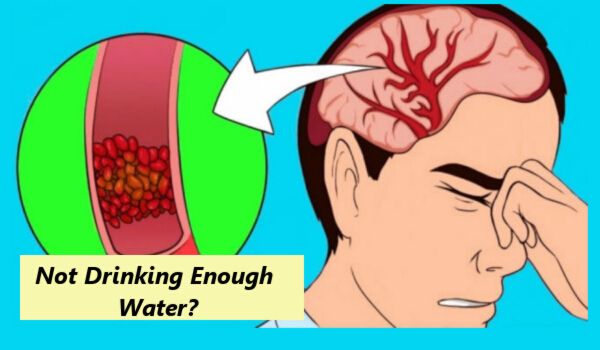 What Happens When you don't Drink Enough Water daily
2. Use the “pee test.” A golden rule—literally. If your urine is pale yellow or clear, you’re good. If it’s dark like apple juice, you’re behind. And if it’s completely clear? You might be overdoing it (yes, that’s a thing).
3. Add flavor or fizz. Plain water bores most of us. Try sparkling water with a splash of lemon cucumber, or herbal iced teas. Hydration doesn’t have to feel like a chore.
4. Eat your water. Fruits like watermelon, oranges, and strawberries are over 90% water. Cucumbers and celery? Basically crunchy hydration. Soup counts too—especially in winter.
5. Watch your caffeine. Coffee and black tea are mild diuretics. They won’t dehydrate you if you’re used to them, but they don’t count toward your hydration goal. For every cup of coffee, try matching it with a cup of water.
The Over-Hydration Trap
Yes, you can drink too much water—a condition called hyponatremia, where your blood sodium levels drop dangerously low. This is rare for most people, mostly affecting endurance athletes or people who chug gallons in a short time.
Your kidneys can process about 0.8 to 1 liter of water per hour. Drink faster than that, and you risk nausea, confusion, and—ironically—headaches. Balance is the real goal.
So don’t turn your desk into a water-chugging competition. Just keep a glass nearby and sip like a civilized, slightly parched human.
A Little Cultural Water Wisdom
In Japan, many people start their day with a glass of water as part of the “water therapy” ritual, believed to promote health and mental clarity. In Mediterranean cultures, sipping infused water with mint and lemon is practically an art form.
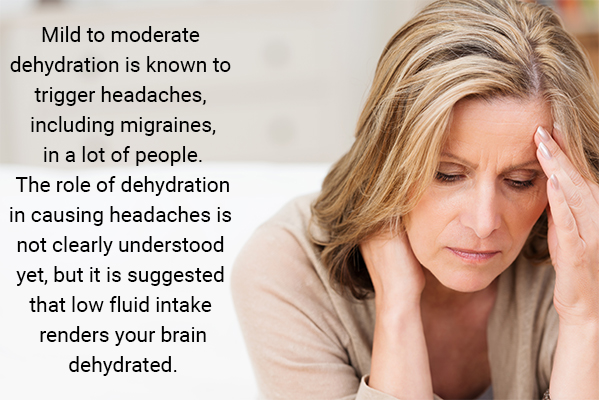 11 Important Signs of Dehydration to Look Out For
Even ancient Romans recognized the link: they built aqueducts to bring clean water to public baths and fountains, understanding that hydration was tied to vitality. We’ve just replaced aqueducts with reusable bottles with time markers.
Fun fact: The human body is about 60% water, which means you’re more water than you are personality. Treat your inner ocean kindly.
When to See a Doctor
If you drink water consistently and still get headaches frequently, don’t blame the tap. Chronic headaches can signal sleep disorders, sinus issues, vision problems, or even diet triggers like MSG or artificial sweeteners.
Keep a “headache diary” for two weeks. Note when the pain hits, how much water you drank, and what you ate. Patterns are powerful—and your doctor will love you for it.
And if the headache is sudden, severe, or accompanied by fever, stiff neck, or vision changes—please skip the water bottle and head straight to a medical professional.
The Final Sip
We live in a caffeine-high, screen-glued, air-conditioned world that silently saps our moisture. Your brain, that brilliant, grumpy organ, sends you a headache as its only memo: “I need water.”
So next time that dull throb arrives, pause. Take a slow, deliberate drink of water. Breathe. And give yourself five minutes before reaching for the ibuprofen. More often than not, the cure was already in your kitchen tap.
Hydration is a small act of self-care that costs almost nothing. It won’t solve every problem, but it will make you a kinder, clearer-headed version of yourself. And honestly? You’re worth that glass of water.
