What Does The Smell Of Rotten Eggs Mean

We’ve all been there. You walk into the kitchen, and that smell hits you—an unmistakable, sulfurous stench that feels like a personal attack. It’s the smell of rotten eggs, an...

We’ve all been there. You walk into the kitchen, and that smell hits you—an unmistakable, sulfurous stench that feels like a personal attack. It’s the smell of rotten eggs, and your brain instantly screams “danger.” But before you panic and call a hazmat team, let’s decode what this funky odor is really trying to tell you.
The Chemistry of That Funk
That signature rotten egg smell comes from hydrogen sulfide gas (H₂S). It’s a natural byproduct of decaying organic matter, but in your home, it usually means something specific is breaking down. Bacteria love sulfur, and when they feast on organic waste in low-oxygen environments, they release this gas as a little olfactory calling card.
Fun fact: Your nose is incredibly sensitive to H₂S—you can detect it at just 0.5 parts per billion. That’s like tasting a single drop of lemon juice in an Olympic-sized swimming pool. Evolution gave us this sharp sense for a reason: in high concentrations, hydrogen sulfide is toxic and flammable. So yes, your nose is literally saving your life.
Must Read
Kitchen Culprits: The Obvious Suspects
Let’s start with the most common scenario: food gone bad. Hard-boiled eggs, when left out too long, develop that exact aroma due to sulfur compounds reacting with iron. But it’s not just eggs—rotten cabbage, spoiled meat, and even old broccoli can produce that same sulfuric stench.
Practical tip: If you smell it near the fridge, do a quick sniff test on leftovers older than three days. When in doubt, toss it out. Your bin will forgive you. And for the love of brunch, don’t trust an egg that’s been sitting on the counter for hours—the smell is a non-negotiable dealbreaker.
The Drain Drama
A persistent rotten egg smell from your sink or shower drain? That’s a classic sign of a dry P-trap. That U-shaped pipe under your sink holds water to block sewer gases from backing up. If it dries out (common in guest bathrooms you rarely use), those gases—including H₂S—waft right into your space.
Fix it fast: Run the tap for 30 seconds to refill the trap. Add a cup of white vinegar and let it sit for an hour to kill any bacteria. Pro tip from plumbers: Pour a little mineral oil down the drain occasionally—it floats on top of the water, preventing evaporation for weeks.
But if the smell persists even after flushing, you might have bacterial buildup in your water heater. That’s a job for a professional, but first check the anode rod—a magnesium or aluminum rod that can react with sulfates in water to create that eggy odor.
Gas Leak Panic? Not Quite
Here’s the juicy cultural reference: natural gas is odorless, so utility companies add a chemical called mercaptan to give it that signature “rotten egg” smell. Why? Because we hate it, and we’ll notice it fast. A gas leak is no joke—it can cause explosions or carbon monoxide poisoning.
 Rotten Egg Smell In House
But here’s the nuance: if you smell it near your gas stove, furnace, or water heater, evacuate immediately and call your gas company. Don’t flip any light switches or use your phone inside—even a spark could ignite the gas. Otherwise, it’s probably a false alarm from a pilot light that went out and is leaking residual mercaptan. Still, never guess.
Houseplant Hiccups & Hidden Rot
Believe it or not, your beloved monstera could be the culprit. Overwatered plants in poor-draining soil can develop root rot, which is basically a bacterial party that produces hydrogen sulfide. The smell seeps out of the drainage holes or the soil surface.
Quick fix: Repot the plant with fresh, dry soil and trim any mushy, dark roots. Let it dry out completely before watering again. Your plant will thank you by not assaulting your nostrils. Also check under area rugs and in crawlspaces—wet, stagnant spots can harbor mold or dead animals that produce the same odor.
Yes, sometimes the rotten egg smell means something died in your walls. Mice, birds, or even a squirrel can get stuck in vents or insulation. This odor typically fades after a week or two as the animal dries out, but if you can locate the source, call a pest control pro.
The Scatological Scoop
Let’s get real for a second: sewage and rotten eggs smell very similar. That’s because sewage contains hydrogen sulfide from decomposed organic matter. A sudden whiff near your toilet or in your basement could mean a broken sewage pipe, a cracked wax ring, or a clogged vent stack.
Don’t ignore this. Sewage gas isn’t just stinky—it contains methane and can be explosive. Plus, prolonged exposure can cause headaches, nausea, and eye irritation. Call a plumber immediately if you suspect a sewer line issue. Your wallet will hurt less than your lungs.
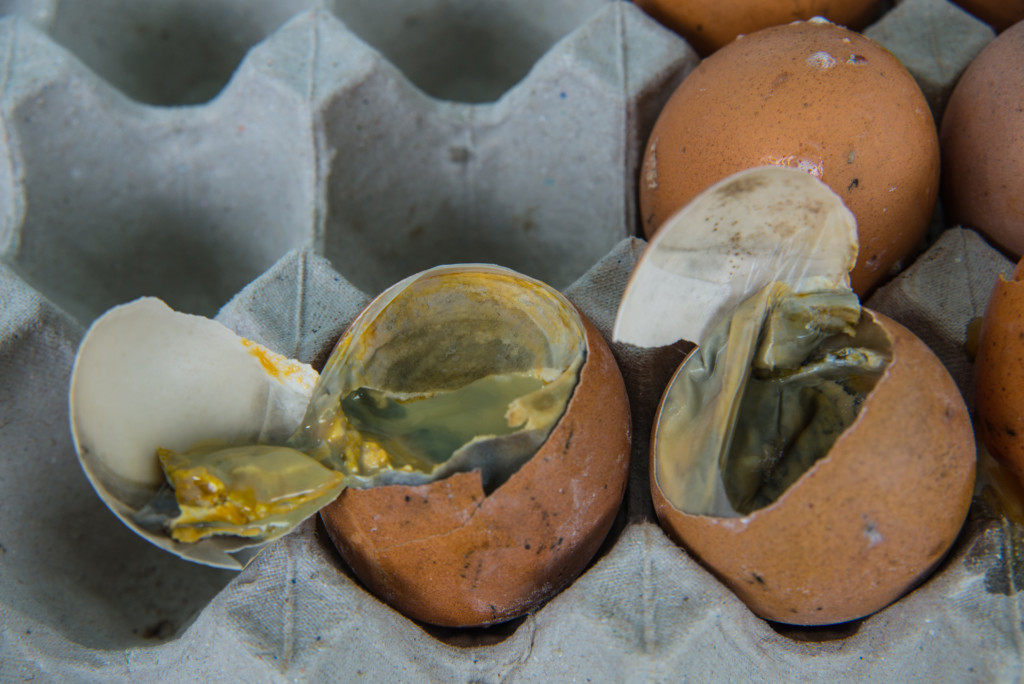 What Does It Mean When Gas Smells Like Rotten Eggs at Jonathan Clifford
Fun fact: In Japan, the smell of rotten eggs is often associated with natural hot springs (onsen), which are rich in sulfur. Tourists pay good money to soak in water that smells like a broken egg fart. Perspective, people.
Practical Smell-Busting Toolkit
Arm yourself with these everyday heroes: baking soda, white vinegar, coffee grounds, and activated charcoal. Sprinkle baking soda into drains overnight, then flush with hot water in the morning. Place bowls of dry coffee grounds in rooms to absorb odors—the beans are air fresheners disguised as breakfast.
For extreme cases, use an ozone generator (carefully—follow instructions, as ozone is harmful to breathe in high doses). Or simply open every window for a cross-breeze. Fresh air is nature’s most underrated odor killer.
And remember: Your nose is smarter than you think. If it’s telling you something smells rotten, listen. But also chuckle—because life is full of weird smells, and most of them are just biology being dramatic.
A Short Reflection for Your Daily Grind
Let’s be honest: you’ll probably smell something funky at least once today. Maybe it’s the gym bag you forgot, the coffee machine that’s never been cleaned, or a coworker’s questionable lunch. The smell of rotten eggs is a reminder that our world is constantly decomposing, reacting, and changing—and that’s perfectly natural.
Next time that sulfurous stink hits you, pause. Breathe shallowly, investigate with humor, and fix it with common sense. Because whether it’s a drain, a dead mouse, or just a bad egg, you have the power to clear the air. And honestly, that’s a pretty good metaphor for life: sniff out the problem, smile at the absurdity, and move on to fresher days.
Now go open a window. You’ll feel better.
