Does Hard Water Make Your Hair Fall Out

So, you’re staring at a clump of hair in your shower drain, and your first thought is, “It’s the water.” Specifically, that hard water—the stuff that leaves crusty white spots...
So, you’re staring at a clump of hair in your shower drain, and your first thought is, “It’s the water.” Specifically, that hard water—the stuff that leaves crusty white spots on your faucet and makes your soap feel like it’s plotting against you. You’re not alone. Millions of people blame their receding hairlines on mineral-rich H2O, convinced it’s secretly a villain in disguise. But before you ditch your apartment and move to a cloud, let’s break this down with some actual science—and a few bad jokes.
The Mineral Mystery: What Even Is Hard Water?
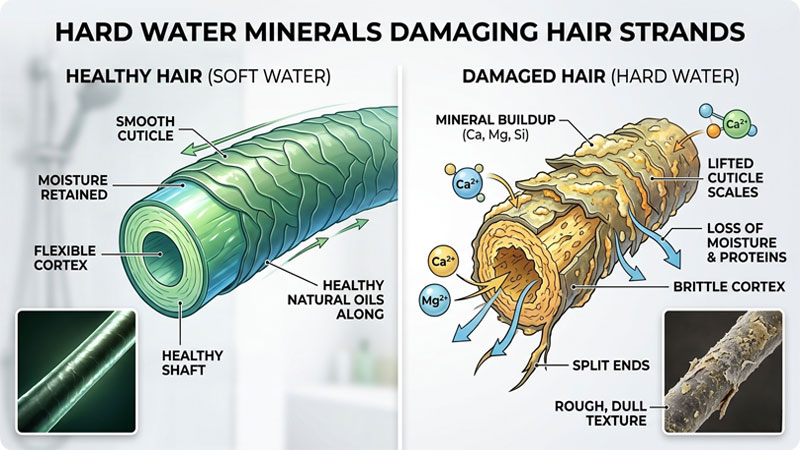
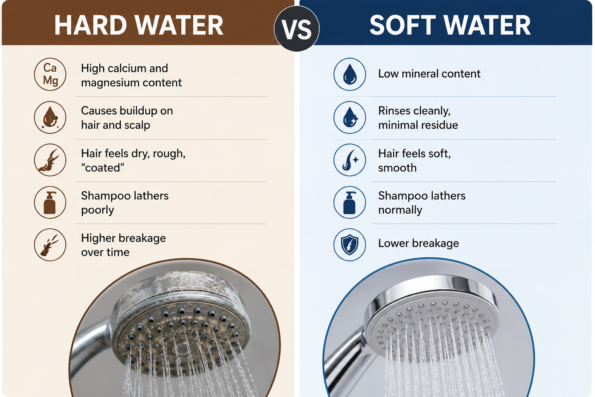
Hard water is just regular water that’s been hanging out with too many minerals, mostly calcium and magnesium. Think of it as water that went to a rock concert and forgot to leave. It’s not toxic, but it’s aggressive—it fights with your shampoo, refuses to lather, and leaves your hair feeling like you washed it with chalk dust. And because it doesn’t rinse away soap well, that gunk builds up on your scalp, creating a lovely little film that suffocates your follicles. But does that film actually yank your hair out? Not directly—it’s more like a passive-aggressive roommate than a serial killer.
The Scalp Drama: Itchy, Flaky, and Unhappy
Here’s where things get spicy. Hard water can make your scalp dry and irritated, leading to dandruff or even a condition called seborrheic dermatitis. And when your scalp throws a tantrum, it sheds hair—not because the water is pulling it out, but because inflammation tells your follicles to take a vacation. One study even found that hard water can weaken hair’s tensile strength, making it snap off easier. So, no, you won’t wake up bald like a cue ball—but you might find more hair in your brush, looking like tiny broken soldiers.
Must Read
And let’s be real: if you’re already genetically destined for hair loss (thanks, Grandpa), hard water is just the annoying extra who speeds up the timeline. It’s like adding a turbo button to a car that’s already on fire. But for most people, the water isn’t the root cause—it’s just a jerk that makes things worse.
The Great Hair Fall Experiment (Spoiler: It’s Complicated)
Scientists have actually looked into this, because apparently, we have nothing better to fund. A 2019 study out of China found that mice washed in hard water lost more hair than mice washed in distilled water. But before you panic, remember: mice are not people. (Though I’ve seen some with nicer blowouts.) Human studies are trickier, because our habits vary wildly—like the person who uses three different conditioners versus the one who only rinses with beer.
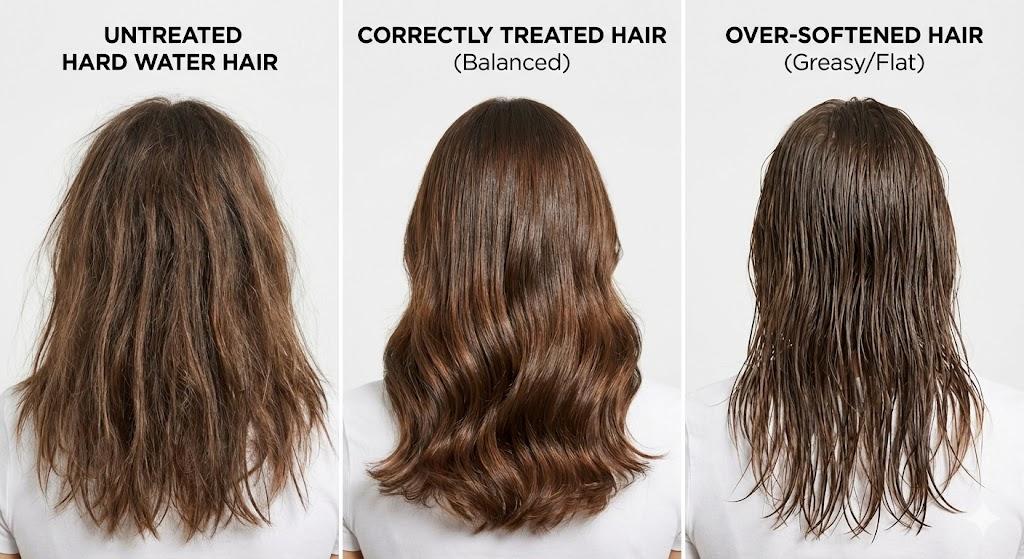
What we do know is that hard water can make existing hair loss look worse. The mineral buildup makes your hair feel rough, brittle, and prone to tangling. And when you brush those tangles? Yank! Out comes more hair, which you then blame on the water when it’s really your aggressive detangling technique. Pro tip: Use a wide-tooth comb and your brain.
 Hard Water Hair Damage: The Complete Guide (Causes, Diagnosis & Fixes)
Surprising fact: Hard water is actually extra clingy to dark hair dye, causing it to fade faster. So if you’re a brunette or a box-dye enthusiast, you’re fighting a two-front war: against the minerals and your own vanity. The hair loss you see might just be dye-induced breakage, not actual shedding.
The Real Culprits: Stress, Genetics, and Your Bad Habits
Let’s be honest—if you’re losing handfuls of hair, hard water is probably the last thing to blame. Stress is like a hair godzilla that stomps through your scalp, causing telogen effluvium (fancy doctor speak for “your hair is taking a nap and falling out”). Genetics? That’s the hand you were dealt—and hard water can’t change your DNA, no matter how much it tries. And let’s not forget your diet: if you’re living on coffee and spite, your hair will wave goodbye faster than a bad Tinder date.
Oh, and tight hairstyles? Yeah, that’s traction alopecia, and it’s 100% your fault. Hard water didn’t make you wear that top knot for three days straight. You did that.
 Hard Water and Hair Fall: Shocking Hair Loss Facts
So, Should You Buy a $500 Water Softener?
Not unless you also have a problem with crusty shower doors and soap scum. For hair, a cheaper fix works: use a chelating shampoo once a week—it’s like a detox for your scalp. Rinse with diluted apple cider vinegar to cut the mineral buildup (your hair will smell like a salad, but it’s worth it). Or, get a shower head filter for $30—it won’t fix hard water completely, but it’ll reduce the worst effects.
And here’s the kicker: hard water might actually be good for your bones because of that calcium. So while your hair might be shedding a tear, your skeleton is doing a happy dance. Everything in life is a trade-off, like choosing between a full head of hair and strong bones. Thanks, evolution.
The Verdict? Relax and Rinse Better
No, hard water doesn’t make your hair fall out—at least not scientifically proven for most people. It annoys your hair, dries it out, and makes it look sad, but it’s not a baldness-causing supervillain. Think of it as a cranky barista: it’ll ruin your morning, but it won’t destroy your life. The real lesson here? Stress less, condition more, and maybe stop blaming your plumbing for your bad hair days.
Now go forth, wash your hair with whatever liquid you have, and remember: if you’re still worried, just buy a hat. They’re cheaper than a water softener and way more stylish.
