Does Black Coffee Count As Water Intake

Let’s get straight to the point (no sugar, please). Does that steaming cup of black coffee in your hands actually count toward your daily water intake? The short answer is yes...
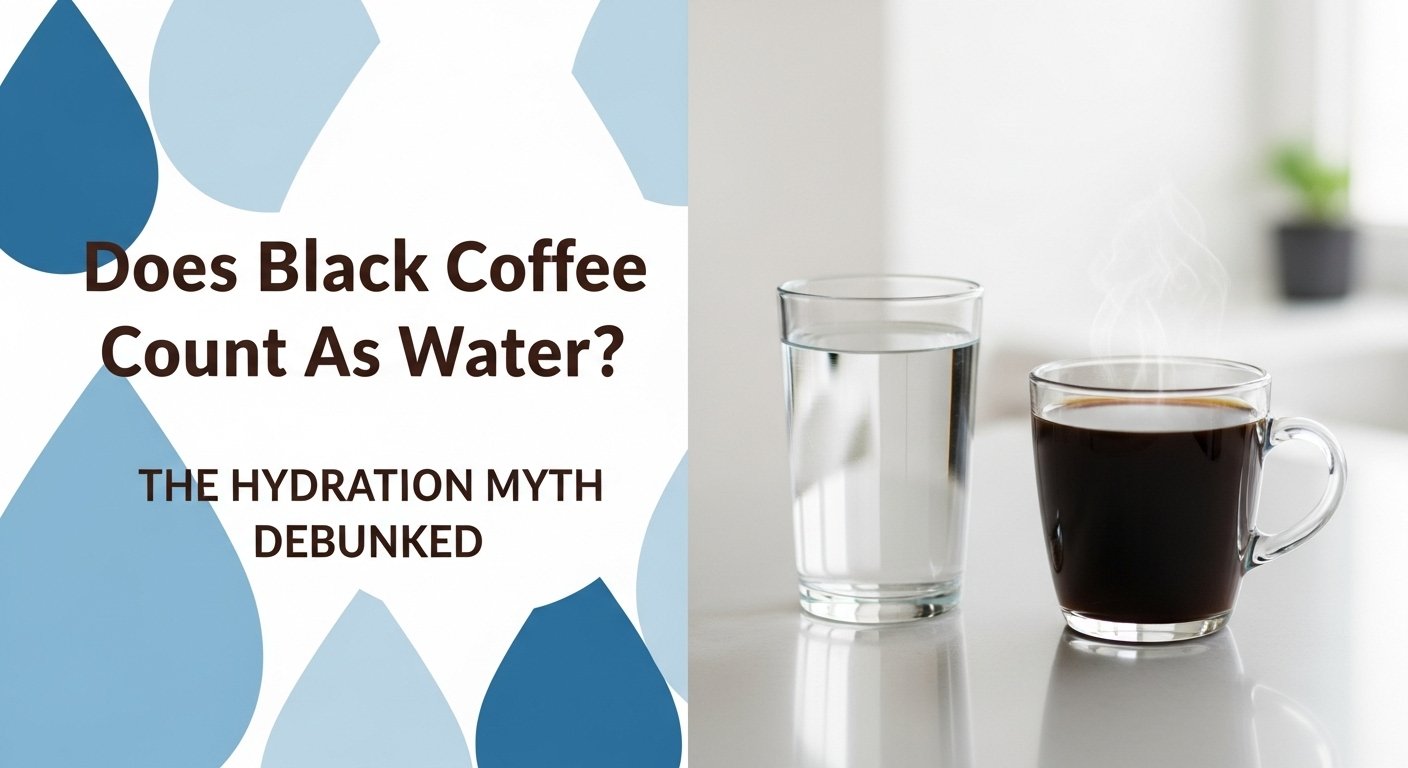
Let’s get straight to the point (no sugar, please). Does that steaming cup of black coffee in your hands actually count toward your daily water intake? The short answer is yes, it absolutely does—but the longer answer is where things get interesting (and a little caffeinated).
Think of your morning coffee as more of a sneaky hydration hero than a villain. Yes, coffee is a diuretic, meaning it makes you pee. But here’s the plot twist: the water in your coffee is so much more than what you lose.
For most people, a cup of black coffee is about 98% water. Your body uses that liquid just like the water from a glass of the clear stuff. So unless you’re chugging espresso shots like they’re going out of style, you’re hydrating.
Must Read
The Myth of the Dehydrating Coffee
Remember that old rumor that coffee dehydrates you? It’s been hanging around longer than that weird sock you lost in the laundry. Scientists have actually studied this, and spoiler alert: they found that moderate coffee drinkers (like, 3-4 cups a day) are not dehydrated.
The diuretic effect is real, but it’s pretty weak. Your body adapts to caffeine over time, so regular coffee sippers don’t lose extra water. Think of it this way: coffee gives you water, takes a tiny sip of it for the road, and hands the rest right back.
So unless you’re a caffeine newbie who just mainlined three Venti Blond Roasts, your coffee is helping, not hurting, your hydration game.
But What About the Caffeine? Won’t It Dry Me Out?
Caffeine can have a mild diuretic effect—but only if you’re not used to it. Your body is a clever little machine, and it builds a tolerance faster than you can say “refill.”
After your first few cups of coffee (or days of regular drinking), your kidneys basically shrug and say, “Oh, you again? Fine, keep the water.” Studies show that the net fluid balance from coffee is positive—you take in more than you lose.
Fun fact: Even the most hardcore coffee drinkers only lose about half a tablespoon of extra fluid per cup. That’s like crying into your mug, but without the emotion.
Does It Count Toward Your “8 Glasses a Day”?
You know that magical rule about drinking 8 glasses of water every day? It’s actually a pretty flexible guideline. And yes, coffee counts toward that total, along with tea, juice, soup, and even watermelon.
 Coffee to Water Ratio: Weight-First Brewing for Consistent Results
Your body doesn’t care if the water came from a stream or a Starbucks. It just cares about the total amount of fluid you consume. So feel free to count your morning brew as part of your hydration goal—just don’t skip the actual water entirely.
But here’s the catch: black coffee is the star here. If you start adding cream, sugar, syrups, or whipped cream, you’re adding calories and stuff that might not hydrate as efficiently. But the water part? Still counts.
Should You Drink Coffee Instead of Water?
Please don’t. That would be like eating cake for breakfast every day—fun in theory, terrible in practice. Coffee is a supplement to water, not a replacement.
Water is still the MVP of hydration because it’s calorie-free, pH-balanced, and won’t make you jittery during a Zoom call. Coffee is the fun sidekick who tells bad jokes and keeps things interesting.
So enjoy your coffee, but maybe don’t use it to wash down your vitamins. Trust me on this one.
The Science-y Part (In Plain English)
Here’s a quick breakdown: Your body absorbs water from coffee the same way it does from water. The caffeine doesn’t block that absorption. It just tricks your kidneys into sending a little more fluid to your bladder—but not enough to cancel out the water you drank.
A 2014 study in the journal PLOS ONE found that moderate coffee consumption (up to 4 cups a day) caused no significant dehydration compared to water. So your morning habit is officially science-approved.
Even the Institute of Medicine says that all beverages (yes, including coffee) contribute to total water intake. So next time someone tells you to put down the coffee for water, you can say, “Sorry, I’m following the science.”
 Can You Get Water Intake From Coffee at John Moris blog
What About Decaf? Is It Even Worth It?
Decaf coffee still has a tiny bit of caffeine (like, a ghost of caffeine), but it’s basically 99% water with a coffee-flavored hug. It hydrates just as well as regular coffee, without the buzz.
So if you’re sensitive to caffeine but still want that warm, roasty comfort? Decaf is your hydration hero in disguise. Plus, you can drink it at 8 p.m. and still sleep like a baby.
A Few Pro Tips for Maximum Hydration
Don’t drink coffee on a completely empty stomach if you’re prone to jitters. Pair it with a glass of water, and you’ll be golden. The water helps balance the caffeine’s mild diuretic effect and keeps your mouth from feeling like a desert.
Also, listen to your body. If you drink coffee and feel thirsty or get a headache, you might need more water. But that’s true for anything—including pizza.
Finally, remember that hydration isn’t a competition. You don’t get a prize for drinking exactly 8 glasses. Your body knows what it needs—coffee included.
The Uplifting Conclusion
So, does black coffee count as water intake? Yes, it does. You’ve been hydrating all along, you beautiful, caffeinated human. Every sip of that dark, magical brew is a tiny victory for your hydration goals.
But more importantly, this is a reminder that life doesn’t have to be all-or-nothing. You can enjoy your coffee and stay hydrated. You can be both a coffee lover and a health-conscious person. You are not a walking contradiction—you’re a masterpiece of balance.
So go ahead, pour yourself another cup. Smile as you sip, knowing you’re hydrating, energizing, and probably smelling like heaven. Your body thanks you, your brain thanks you, and your mug? It’s just happy to be part of the journey. Cheers to you, hydration superstar.
