What Does Charcoal Do In A Water Filter

Imagine your tap water is a tiny, soggy nightclub. It’s full of unwanted guests: chlorine fumes, weird tastes, and mysterious floating particles. Charcoal is the world’s grump...
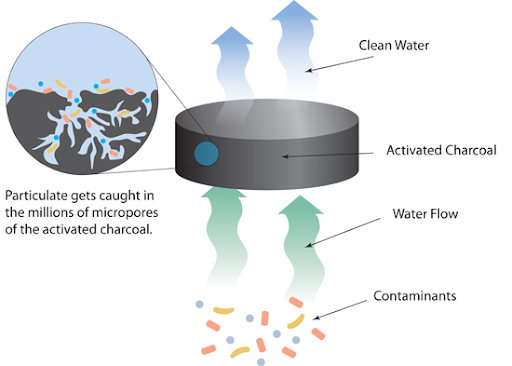
Imagine your tap water is a tiny, soggy nightclub. It’s full of unwanted guests: chlorine fumes, weird tastes, and mysterious floating particles.
Charcoal is the world’s grumpiest bouncer. It doesn’t just look at the ID; it physically yanks those nasty molecules out of the water and locks them in a microscopic jail.
The Secret Magic: Adsorption (Not Absorption)
Here’s the big twist everyone gets wrong. A sponge absorbs water, sucking it up like a sad, soggy pancake.
Must Read
Charcoal uses adsorption—with a ‘d’. That means the contaminants stick to its surface like a drunk person clinging to a handrail.
Think of it like a microscopic Velcro wall. One gram of activated charcoal has a surface area the size of a football field. That’s a lot of places for bad stuff to crash.
Why “Activated” Sounds Like a Superhero Origin Story
Regular charcoal is lazy. It’s just burnt wood, like the boring remains of a barbecue gone wrong.
Activated charcoal has been blasted with hot gas, making it incredibly porous. It’s basically the charcoal equivalent of a sponge mixed with a microscopic honeycomb.
This process creates millions of tiny nooks and crannies. Suddenly, that harmless-looking black rock has more grip than a koala on caffeine.
What It Kicks Out (And What It Can’t)
Charcoal is a master at removing chlorine, which makes your water taste like a swimming pool’s bad decision. It also gobbles up volatile organic compounds (VOCs)—the things that make water smell like a chemistry lab.
It’s shockingly good at removing bad tastes, too. If your water tastes like plastic or dirt, charcoal says, “Not on my watch.”
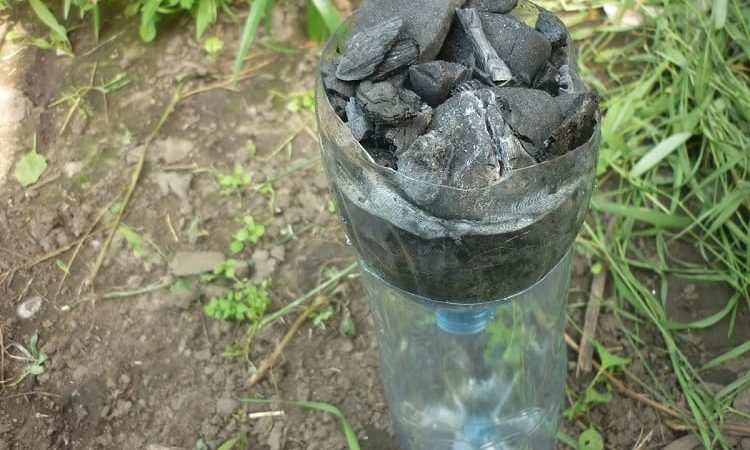 Charcoal Water Filter Tutorial Make Your Own Filter - Asgard Media Inc
But here’s the funny letdown: charcoal is useless against fluoride, heavy metals, and germs. It won’t stop lead, arsenic, or bacteria. Trying to use it for that is like bringing a sponge to a gunfight.
The Surprising Science (and a Little Chemistry)
Why does it stick so well? It’s called van der Waals forces—fancy physics for “molecules really want to hold hands.”
The charcoal has a slight electrical charge. The nasty chemicals have the opposite charge. They literally zip together like a tiny, invisible zipper.
This isn’t a filter that lets water pass through holes. It’s a chemical party where the bad guests get glued to the walls.
The Dirty Secret: It Can Explode (Kind of)
No, your water filter won’t blow up your kitchen. But if you let charcoal sit dry for too long, it can catch fire due to spontaneous combustion. It loves oxygen so much that it will literally burn for it.
Also, old charcoal is a bacterial buffet. If you don’t change it, you’re basically filtering water through a tiny, black petri dish. Delicious.
So change your filter every three months. Your taste buds and your intestines will thank you.
How Long Does the Magic Last?
Eventually, every microscopic Velcro pad gets full. The charcoal becomes a saturated, grumpy black rock that can’t hold anything else.
 What Is The Purpose Of Charcoal In A Water Filter – HZYCT
At that point, it stops filtering and just sits there, judging you. Worse, it might start releasing the stuff it trapped, like a passive-aggressive ex sending back your old T-shirts.
The rule of thumb: if your water starts tasting like a dusty basement again, your charcoal needs a retirement party.
Is It Just for Water? (No, It’s a Show-Off)
This stuff is so versatile that people eat it for hangovers. They call it “activated charcoal pills,” and it supposedly soaks up the bad stuff in your stomach.
It’s also in toothpaste (to whiten teeth), face masks (to suck out oil), and even in air filters (to trap smells). Charcoal is the Swiss Army knife of the purification world.
Just don’t eat your water filter. That’s a different kind of adventure, and your dentist will cry.
The Bottom Line: It’s a Picky, Amazing Jerk
Charcoal is the best friend a glass of water could ask for—but only if you respect its limits. It hates smells, chlorine, and bad vibes.
It loves big surface areas, electrical charges, and making your tap water taste like a mountain spring. It’s basically a tiny, black, angry housekeeper for your glass.
So next time you sip clean, fresh water, give a little nod to the charcoal bouncer inside your filter. It’s working harder than you think, one microscopic molecule at a time.
