Does Distilled Water Have Microplastics

The Water Cooler Confessional Let’s be honest. We’ve all stood in the water aisle at the grocery store, staring at the plastic jugs like they hold the secret to eternal life....
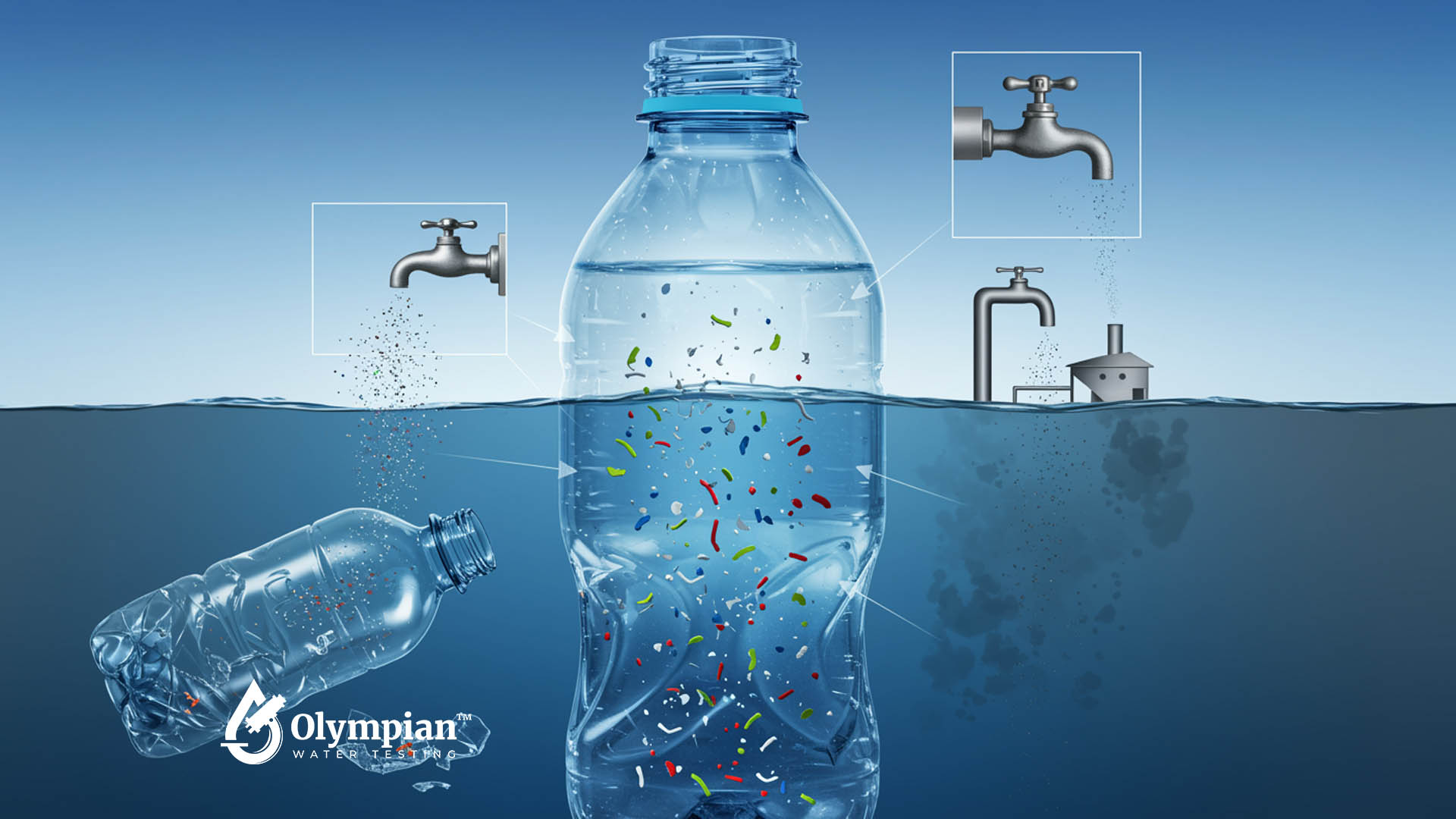
The Water Cooler Confessional
Let’s be honest. We’ve all stood in the water aisle at the grocery store, staring at the plastic jugs like they hold the secret to eternal life. Distilled water sits there, looking smug and pure, like the valedictorian of the hydration world.
But then a little voice creeps in. You’ve heard the news. You’ve seen the headlines about microplastics invading everything from your salt shaker to your bloodstream. Now you’re side-eyeing that gallon jug, wondering if you’ve been duped.
Relax, friend. We’re about to put that question to bed with a sledgehammer of common sense and a dash of backyard science.
Must Read
The Great Boil-Off
Think of distilled water like the survivor of a steam-room showdown. The process of distillation is basically water’s version of a hard reboot. You boil the water until it turns into steam, leaving the nasty stuff behind, then you condense that steam back into liquid.
Now, plastic is a stubborn cuss. Microplastics are not lightweights, but they are heavy compared to a single water molecule. Boiling water is like a chaotic evacuation drill; the plastic particles simply cannot keep up with the vapor. They stay in the original pot like a party guest who refuses to leave.
So, freshly distilled water is, by its very nature, microplastic-free. It’s the cleanest glass of water you’ll ever meet.
Anecdote: The Kettle Incident
I once tried to “distill” water in my old electric kettle to make coffee. I forgot about it, and the thing screamed like a banshee until it shut off. When I opened the lid, there was a chalky white crust and a tiny, melted plastic-looking speck floating inside.
That speck was from the kettle’s own inner seal. Distillation works—but only if your equipment isn’t shedding plastic first. So, yes, if you boil tap water in a plastic kettle, you might be reinventing the wheel.
But proper distillation? The kind you buy in a jug? That’s a different beast entirely.
 Microplastics Found In Drinking Water – Svalbarði Polar Iceberg Water
The Packaging Paradox
Now here is where it gets funny. The distilled water inside the jug is pristine. It’s been through a rigorous chemical boot camp. But the plastic jug itself is the wild card.
Imagine you’ve just finished a 5K run, and you’re covered in sweat. You are, biologically, very pure. But then someone hands you a T-shirt made of sandpaper. You’re still pure, but the shirt is shedding fibers all over you. That’s your water bottle.
Plastic jugs, especially if they’ve been sitting in a hot warehouse or baking in your car, can leach tiny plastic particles into the water over time. It’s not the distillation process failing; it’s the storage process being a slacker.
The Real Villain: Time and Sun
Your distilled water is a saint until it gets locked in a plastic prison for six months. The sun’s UV rays and heat are like kryptonite for plastic. They break down the polymer chains, and those little microscopic bits take a swim.
So, does store-bought distilled water have microplastics? Probably a little, but more from the packaging than from the water itself. It’s like buying organic vegetables wrapped in a plastic bag—you’re getting some unintended extras.
But here’s the kicker: compared to tap water or bottled spring water? Distilled is still the cleanest option by a landslide. Tap water can have a whole zoo of contaminants, including microplastics from pipes and treatment plants.
 The Hands-Down Best Water Filters for Microplastics of 2025
The Bottom Line (and a Sip of Sanity)
If you’re worried about microplastics, distilled water is your best friend. The process removes them almost completely. The enemy is not the water; it’s the container you buy it in, and how long you keep it.
Don’t let the “microplastic panic” ruin your hydration game. If you’re using distilled water for your CPAP machine, your iron, or your sourdough starter, you’re already ahead of the curve. You are a hero of low-mineral living.
And if you want to be extra sure, buy it in glass bottles or distill your own at home with a stainless-steel pot. It’s not rocket science; it’s a pot with a lid and some ice on top. Just don’t use your kettle. We all know how that ends.
Parting Wisdom
Look, microplastics are everywhere. They’re in the air, in your rain, and probably in your pet’s fur. Worrying about every single molecule will drive you to drink a different kind of distilled spirit. Bourbon, maybe.
So, go pour yourself a tall glass of that distilled water. Smile at its clarity. And if you see a tiny speck? Blame the delivery guy for parking in the sun, not the water itself. It’s still a better class of H2O.
Now go hydrate, you magnificent, slightly-plastic-infused human.
