Does Tap Water Have Chlorine In It

You know that faint, almost-invisible whiff you get when you fill a glass from the kitchen tap? The one that makes you pause for a second and think, "Huh, is this water from a...
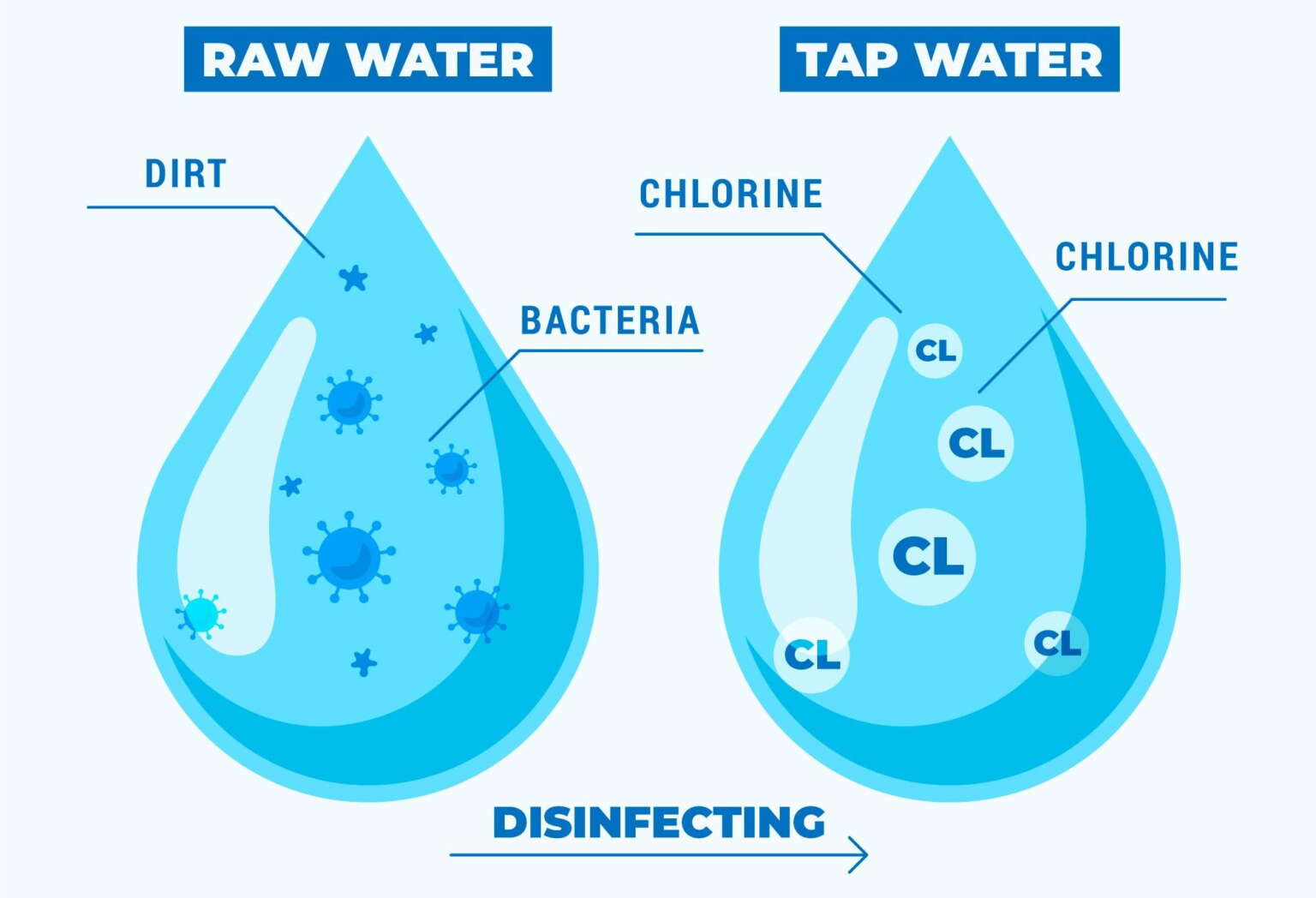
You know that faint, almost-invisible whiff you get when you fill a glass from the kitchen tap? The one that makes you pause for a second and think, "Huh, is this water from a pool?" Yeah, that’s the million-dollar question: does tap water have chlorine in it? Spoiler alert: it absolutely does, and your nose is a pretty good detective for once.
Let’s be real—most of us don’t spend our days pondering municipal water treatment. We’re too busy trying to remember if we left the garage door open or why the cat is staring at the wall. But that little chemical ghost in your glass? It’s doing a heroic job. Think of chlorine as the bouncer at a nightclub, but for your faucet. It kicks out bacteria, viruses, and any other microscopic party crashers that might make you spend the weekend hugging a toilet.
Here’s the funny thing: we’d freak out if our water didn’t have that tiny chlorine tang. Imagine filling up a pitcher and smelling nothing but pure, innocent H2O. That would actually be terrifying. Your brain would go, "This is suspiciously clean. Where are the germs? Are they planning a covert operation?" Chlorine is the reassuring, slightly chemical-smelling security blanket we never knew we needed.
Must Read
The "Pool Water" Comparison That Hits Home
Do you remember that first cannonball into a public pool as a kid? You’d surface, blinking, and instantly recognize that "chlorine face." Your eyes would sting, and you’d swear you could taste the chemicals on your lips. That’s essentially the same stuff in your tap water—just way, way more diluted. Your tap water is the polite, indoor-voice version of a swimming pool.
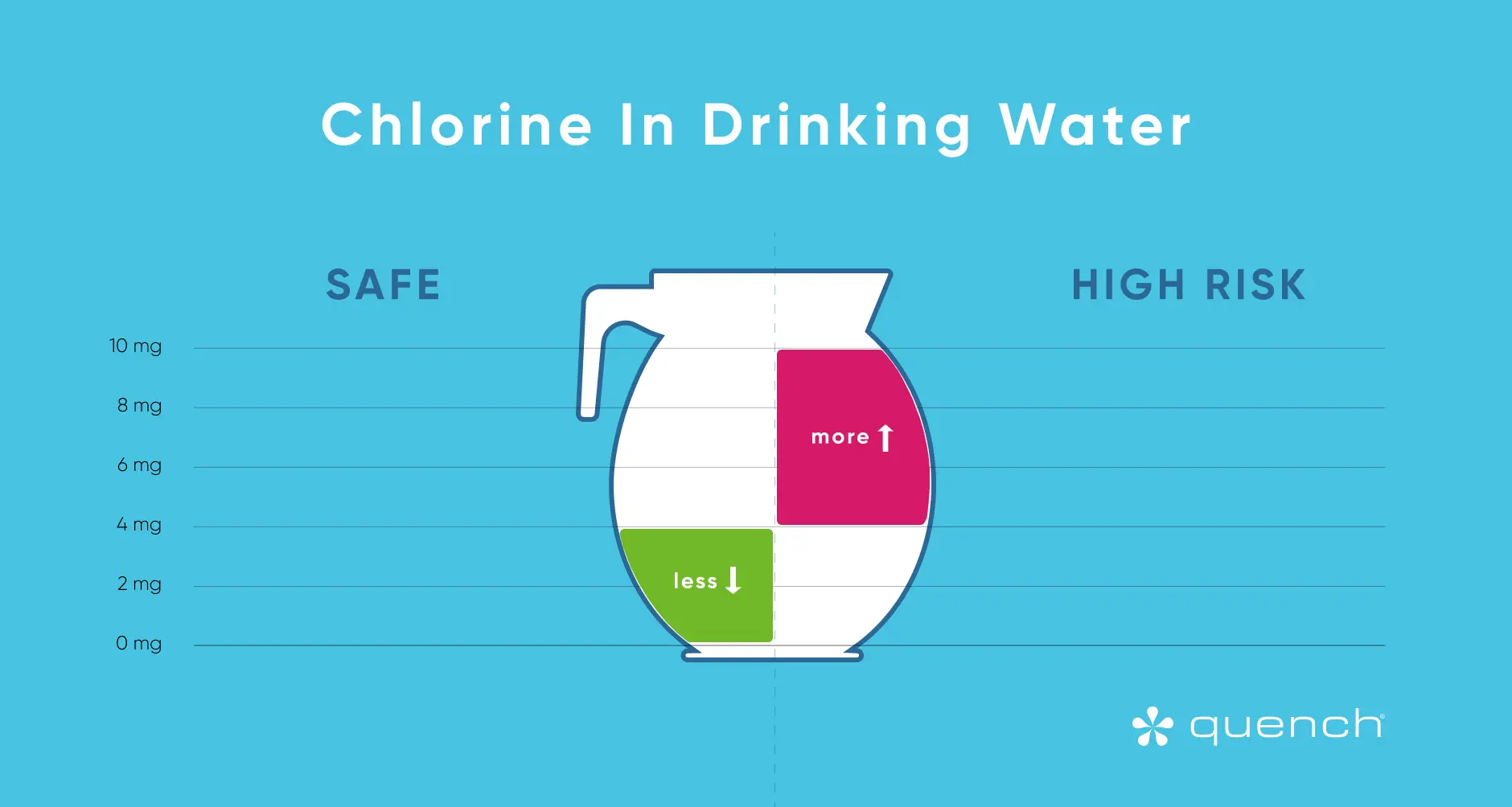
A swimming pool might have around 1 to 3 parts per million of chlorine. Your tap water? Usually between 0.5 and 4 parts per million. So yes, you’re drinking the equivalent of a pool that was just barely treated. Not enough to bleach your swimsuit, but enough to keep the amoebas from throwing a rave in your intestines. Good trade-off, right?
Why You Can’t Escape That "Camping Shower" Vibe
Ever gone camping and used a hose that tasted like a plastic bag that hugged a pool toy? That’s the unfiltered truth of municipal water. Many utility companies add chlorine or chloramine (a fancy cousin of chlorine) right at the treatment plant. It’s like they’re giving your water a protective shield for the long journey through miles of pipes to your glass.
 Chlorine Water
And honestly, that’s kind of amazing. Think about the sheer distance your water travels. It goes through dark, damp pipes that are basically a luxury highway for bacteria. Without that stubborn little chlorine molecule hanging around, you’d be drinking a slushy of microbial hitchhikers. A little chemical taste is a small price to pay for not getting a third roommate named Giardia.
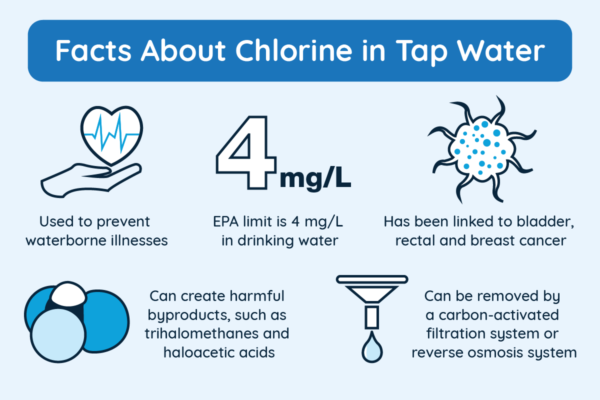
But here’s where the everyday person—that’s you—starts to get suspicious. "If it tastes like a band-aid, is it bad for me?" I get it. I once poured a glass, took a sip, and immediately asked my wife, "Did I just drink a public pool?" The answer is no. You drank safe water. The U.S. Environmental Protection Agency (EPA) sets strict limits on chlorine levels. They’re not trying to pickle you; they’re trying to protect you.
How to Trick Your Nose (And Your Taste Buds)
Look, I’m not saying you have to enjoy the flavor of a swimming accident. If you hate the taste, you’re not alone. Most people do. That’s why the world invented the water filter pitcher. You know the ones—they sit in your fridge like a fancy plastic throne. A basic charcoal filter will grab most of that chlorine and send it packing, leaving you with water that tastes like a mountain spring performed by a choir of angels.
 Why Does My Tap Water Smell Like Chlorine? - Angel Water Inc.
Or, do what my neighbor does: let the water sit out for a few hours. It sounds ridiculous, but it works. Chlorine is a volatile gas, which is just a fancy way of saying it evaporates if you give it some alone time. Pour a pitcher of tap water in the morning, leave it on the counter, and by dinner, it’ll taste like you’re a fancy sommelier who "aired" the water. Just don’t tell your guests you’re serving tap water they could have had for free.
Boiling also kicks chlorine out fast. But who has time to boil a whole pot of water just for a glass? That’s a level of dedication reserved for people who make their own yogurt. Most of us just want a cold glass of water without tasting like we’re at a swim meet.
Final Nod of Understanding
So, does tap water have chlorine in it? Yes. And that’s actually a beautiful thing. It’s the quiet, unglamorous guardian of your gastrointestinal peace. The next time you sniff that glass and get a faint echo of a July afternoon at the local YMCA, just nod. Give a little salute to the chlorine. It’s not trying to ruin your water; it’s trying to save you from a bad Tuesday.
And if you still can’t stand it? Buy a filter. Or just fill up a bottle and let it breathe. Either way, you’re going to be fine. Your water is safe, your taste buds can be happy, and you now have a fun fact to drop at parties. "You know, your tap water has chlorine—cheers to the invisible bodyguard!" Just don’t be surprised if people move a little further away from you at the buffet.
