Does Boiling Water Remove Bacteria

So, you’ve got a water bottle, a rusty faucet, and a sudden case of survivalist panic. You’re wondering: does boiling water actually kill the creepy-crawlies inside? The short...
So, you’ve got a water bottle, a rusty faucet, and a sudden case of survivalist panic. You’re wondering: does boiling water actually kill the creepy-crawlies inside? The short answer is a giant, bubbling yes—but let’s unpack that kettle first.
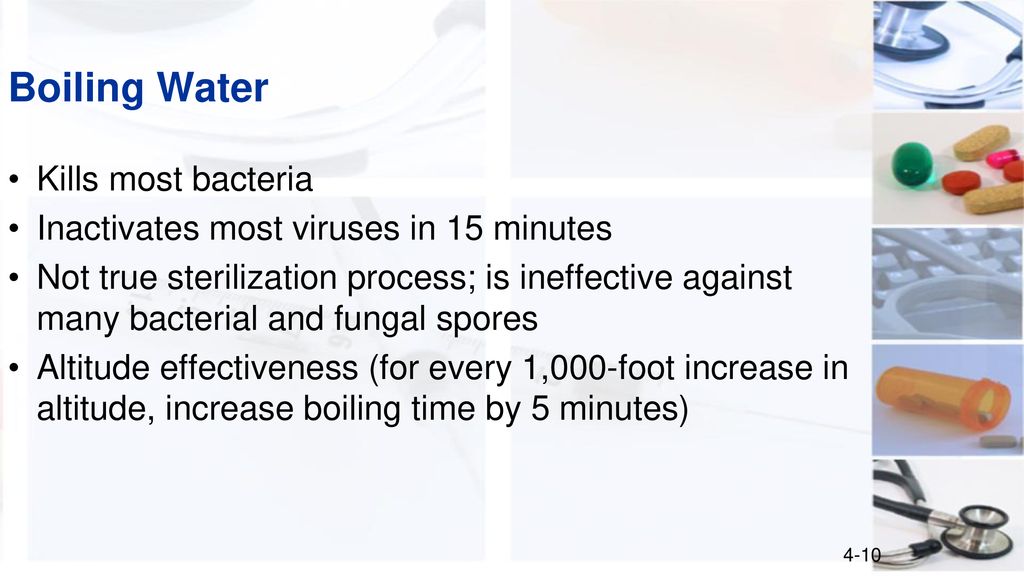
Think of boiling water as a spa day for your germs—but the kind where the sauna is set to “obliterate.” When water hits 212°F (100°C) at sea level, most bacteria, viruses, and protozoa get their proteins denatured into oblivion. It’s like putting a snowman in a furnace; they don’t stand a chance.
Wait, Does All Boiling Kill Everything?
Here’s the honest truth: boiling is amazing, but it’s not perfect. It kills the active bacteria, but some nasty spores (think of them as armored zombie eggs) can survive a quick boil. Botulism, for example, produces spores that laugh at a five-minute roll.
Must Read
But don’t start panicking—most household water issues aren’t caused by spore-zombies. For your average river, tap, or questionable puddle, a solid one-minute rolling boil is enough to make it safe. At higher altitudes (like a mountain cabin), give it three minutes—water boils at a lower temp up there, so the germs get a gentler roasting.
What About Protozoa? (The Fancy Word for “Water Bugs”)
Protozoa like Giardia and Cryptosporidium are the campers’ worst nightmare. They cause “beaver fever” (yes, that’s real, and no, you don’t want to cuddle a beaver to catch it). The good news? Boiling destroys them easily—even more easily than bacterial spores. Just a minute of bubbling rage sends them to the afterlife.
So if you’re hiking and your water filter breaks, boil away, my friend. You’ll be safe from the dreaded post-hike sprint to the bathroom. Your toilet paper stash will thank you.
But What About Chemicals? (Oops, Didn’t Think of That!)
Here’s the plot twist: boiling water is a disinfectant for microbes, but it’s terrible at removing chemicals, heavy metals, or dirt. If your water looks like weak tea from sediment, boiling only makes it sterile mud. Lead, mercury, and pesticides don’t care about your rolling boil—they have tenure.
Think of it this way: boiling turns a germ-filled puddle into a germ-free puddle. It doesn’t turn turpentine into lemonade. So don’t boil toxic sludge and expect a miracle. Use a filter or let sediment settle first, then boil.
 Does Boiling Tap Water Purify It? What Boiling Really Removes—and What
Does Cooling It Down Re-Grow Bacteria?
You boiled your water, let it cool in a dirty cup, and now you’re suspicious. Yes, if you put sterile water into a germ-covered container, the bacteria can recolonize it. Boiling doesn’t make water permanently immune—it just gives you a fresh start.
Store boiled water in clean, sealed containers (like that mason jar you pretended you’d use for kombucha). Once it’s cool, drink it within 24 hours, or pop it in the fridge. Cold temps slow down the party crashers.
The Fun Science Part: Why Boiling Works So Well
Bacteria are basically tiny bags of goo with a cell wall. Heat makes the proteins inside unravel (think: egg whites turning solid). Once those proteins unspool, the bacteria can’t function, reproduce, or breathe. They just… stop. It’s mercifully quick.
Viruses are even easier—they’re just genetic material in a protein coat. Boiling melts that coat like a popsicle in August. Most viruses die at 140°F, so water’s full boil is overkill in the best way. Take that, norovirus.
A Few Quirky Exceptions (Because Nature Loves Surprises)
There’s a weirdo bacterium called Thermus aquaticus that lives in hot springs at 176°F. It loves heat. But guess what? Even that tough guy dies at a full boil. So unless you’re drinking from Yellowstone’s hot pot, you’re fine.
 Does Boiling Water Remove Contaminants? - USA Water Filtration
Oh, and don’t boil water that’s been contaminated with petroleum or oil. You’ll just make a weird soup that might catch fire. Leave that to the hazmat team.
So, The Final Verdict on Boiling Water
Yes, boiling water removes bacteria—and viruses, and most protozoa. It’s the oldest, most unglamorous, and most reliable method in the world. No special equipment, no batteries, just fire and patience. Grandma knew what she was doing.
But remember: boiling is a microbe-killing champion, not a chemical-removal wizard. Use common sense: if the water looks like it came from a swamp, pre-filter it. If it smells like a swimming pool, it might be chlorinated—boiling won’t fix that. If it’s pure and clear but suspicious, bubble away.
One Last Silly Thought
You know what doesn’t remove bacteria? Staring at your glass of water and thinking “hmm, that looks clean.” Also, wishing really hard. Also, naming the water “Bob” and asking it politely to behave. Boiling works, magic doesn’t (unless you’re a wizard, in which case, carry on).
So next time you’re in a cabin, camping, or just paranoid about your tap, remember: boil it, wait a minute, and drink up. You’ll be safer, smarter, and one step closer to being a wilderness guru. Your gut will thank you, and your bottle will feel like a victory flask.
And here’s the uplifting truth: you already have the power to turn dangerous water into a life-saving drink. All you need is a pot, heat, and a little patience. You’re basically a superhero with a kitchen stove. So go on—boil something, smile at the bubbles, and know that you’ve won the tiny, invisible war against the germs. You’ve got this. 🥳
