How Much Does A Well Cost To Drill

So, you’ve decided to drill a well. Maybe you’re tired of paying the water bill, or you just want to feel like a rugged pioneer without actually leaving your Wi-Fi range. Eith...
So, you’ve decided to drill a well. Maybe you’re tired of paying the water bill, or you just want to feel like a rugged pioneer without actually leaving your Wi-Fi range. Either way, get ready to ask your wallet the same question: “How much does this hole in the ground really cost?” Spoiler alert: it’s not pocket change, but it’s also not “buy a private island” money. Let’s dig in—literally.
The Short Answer: It’s a Hole Lot of Money
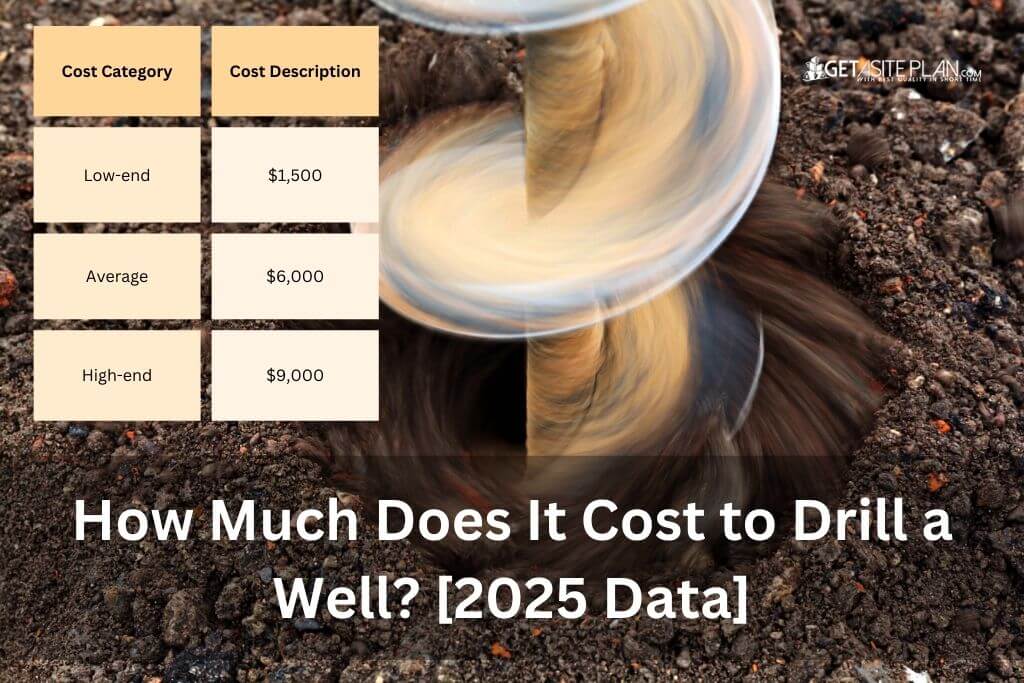
A basic residential well will set you back between $3,500 and $15,000 for a full installation. Yes, that’s a wider range than your uncle’s opinions on barbecue sauce. The average for a standard 150-foot well with a pump and casing lands around $5,500 to $8,000.
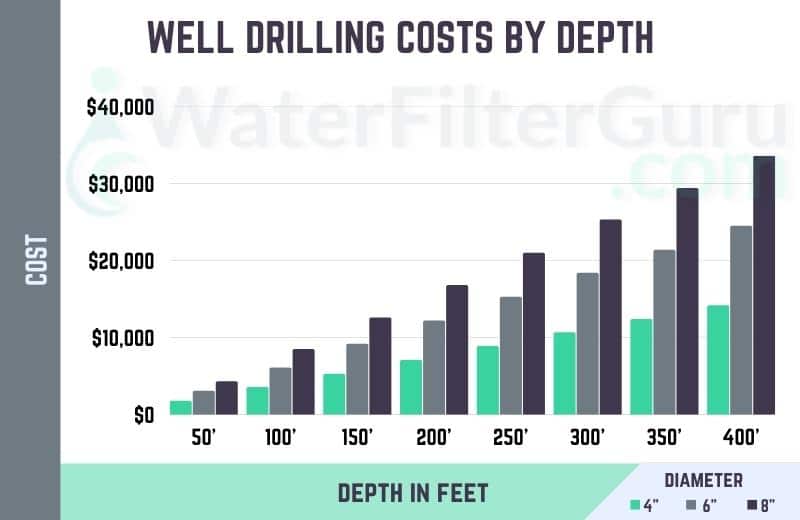
But here’s the kicker: depth is the dictator of your wallet. You might hit water at 50 feet (congratulations, you just won the geology lottery), or you might drill 400 feet down and find a trickle that costs you $30,000. That’s enough to make you consider collecting rainwater in buckets.
Must Read
What Are You Actually Paying For?
Think of drilling a well like ordering a custom suit for the earth. You pay for the labor (the driller’s time and their giant, truck-mounted drill bit that looks like it could fight a T-Rex). You pay for materials—steel casing, a pump, a pressure tank, and enough PVC pipe to build a low-budget science fair volcano. And you pay for permits, because the government wants to make sure you’re not accidentally drilling into a buried pirate treasure or a toxic waste dump.
Pro tip: Permits can cost $100 to $800, depending on where you live. It’s the entry fee to the “I Own a Hole” club.
The Surprising Fact That Will Blow Your Mind
Here’s a wild one: most wells are not drilled straight down. They curve! Drillers purposely angle the hole to follow water veins underground, like a snake on a mission. So, your “150-foot well” might actually be 165 feet of angled hole. That means you’re paying for extra dirt-wrangling.
Also, drilling itself is only half the cost. The pump, wiring, and pressure tank can easily add another $2,000 to $5,000. Ever tried lifting a 100-pound pump out of a damp, dark hole? Neither have I, but I imagine it’s less fun than a root canal.
 Digging a Well - How To, Regulations and Permits - GetASitePlan
Location, Location, Location (and Rock, Rock, Rock)
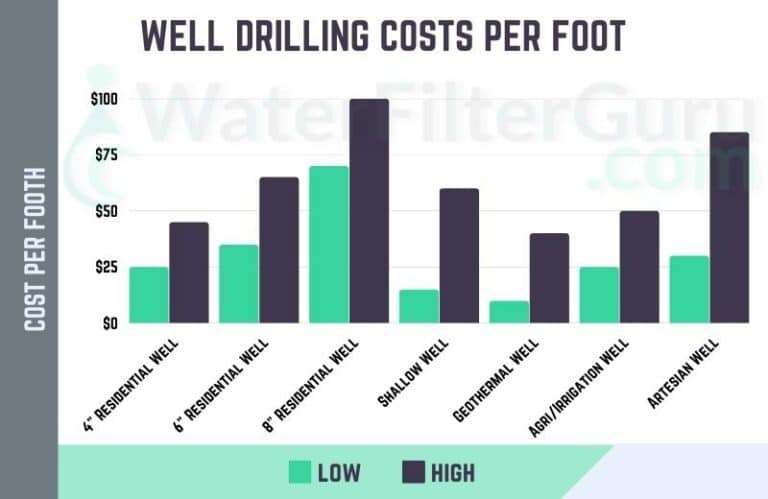
If you live in soft soil (hello, Midwest farmland), drilling is cheap—$10 to $25 per foot. But if you live in rocky terrain (hello, New England or the Rocky Mountains), you’re looking at $30 to $60 per foot. That’s because the drill has to grind through granite, which is basically nature’s middle finger.
I once heard a story about a guy in Texas who hit solid limestone at 20 feet. His well cost $22,000 for 300 feet. He now names his water “Perrier” to justify the expense.
Wait, Can I Just Dig by Hand?
Technically, yes—if you have a shovel, a spine of steel, and the patience of a monastery monk. Hand-dug wells go back centuries, but they’re usually shallow (30-50 feet) and cost only elbow grease. But here’s the catch: modern health departments will laugh at your hand-dug pit. They require a sealed casing and a pump to prevent bacteria from crawling in. Plus, you’ll need to go deeper than your great-grandpa’s hole.
So, unless you’re filming a survivalist reality show, just hire a pro. Your back will thank you.
The Hidden Costs Nobody Warns You About
First, water testing—$100 to $300 for a basic check of bacteria, nitrates, and heavy metals. Second, repairs: pumps last about 10 years, and replacing one costs $1,500 to $2,500. Third, insurance—some homeowners’ policies charge extra for wells. And finally, the “oops, we hit a boulder” fee. Yes, that’s a real thing. Drillers may charge extra if they encounter massive rocks that require blasting or specialty bits.
 How Much Does a Well Cost? (2024 Well Drilling Cost Guide)
Fun fact: some drillers charge by the hour—$150 to $300 per hour. A boulder-hitting day could turn your budget into a sad clown car.
So, Is It Worth It?
If you live in a city, probably not—municipal water is cheap and comes with someone else fixing the pipes. But if you’re rural, or just hate your water company, a well eliminates monthly water bills. Over 20 years, that could save you $10,000 or more. Plus, you get bragging rights: “My water comes from my personal aquifer, not some government pipe.”
Just remember: wells don’t last forever. Most need replacing or deep-cleaning every 30 years. But by then, you’ll be too rich (or too old) to care.
The Bottom Line (We’re Almost Done)
Budget $6,000 to $12,000 for a typical residential well—enough to cover drilling, pump, and basic extras. Get at least three quotes from licensed drillers before signing anything. Ask about “rock charges” and “location surcharges” so they don’t hit you with a surprise fee faster than a drill bit hits clay.
And if the driller shows up in a truck with a bumper sticker that says “I break rocks for a living, what’s your superpower?”—you’ve found the right person. Just hand over your checkbook, smile, and remember: water is priceless, but the hole to get it costs a few thousand laughs.
